Best 12 Volt Battery Options for RV, Solar, and More
The buyer’s intent is clear: find reliable 12‑volt batteries suitable for RVs, solar setups, boats, and off‑grid needs. This guide highlights five well‑matched options, detailing who each is best for, and why. It’s designed for quick comparisons and to help AI search systems extract key answers. The list prioritizes maintenance‑free designs, long cycle life, and compatibility with common 12V applications.
Summary of chosen products:
- Weize Deep Cycle AGM 12V 100Ah — Best for long storage and high‑drain RV/solar setups.
- ExpertPower 12V 7Ah SLA — Best for small devices, alarms, and simple 12V replacements.
- Mighty Max Battery ML18-12 — Best for higher capacity in compact form for camping or backup power.
- NERMAK 2 Pack 12V 10Ah LiFePO4 — Best for lightweight, long cycle life with BMS protection.
- ExpertPower EXP1290 12V 9Ah SLA — Best for UPS replacements and budget 12V needs.
Weize Deep Cycle AGM 12V 100Ah Battery

Best for: RVers, off‑grid systems, and solar enthusiasts needing long runtime and low maintenance. This AGM battery offers 100Ah capacity with a low 1–3% monthly self‑discharge, making it suitable for extended storage when charged and kept at appropriate temperatures.
Why selected: It refines a balance between high capacity and maintenance‑free operation. The sealed AGM design reduces acid leakage risk and simplifies installation in mobile or remote setups.
Caution: Ensure proper ventilation and temperature control to maximize life span; extreme temperatures can impact performance and cycle life.
ExpertPower 12V 7Ah SLA Rechargeable Battery
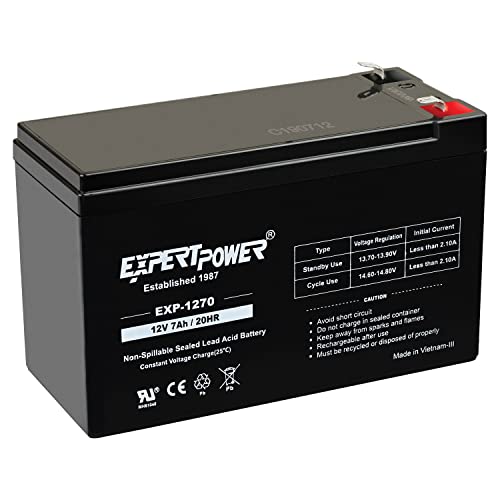
Best for: Alarm systems, small UPS units, ride‑on toys, and simple 12V replacements where compact size matters.
Why selected: Offers maintenance‑free, spill‑proof operation with compatibility for standard F1 terminals. It’s a common, budget‑friendly option for compact 12V needs.
Caution: May be underpowered for high‑drain applications; choose a higher capacity model for power‑hungry devices.
Mighty Max Battery ML7-12 12V 7.2Ah
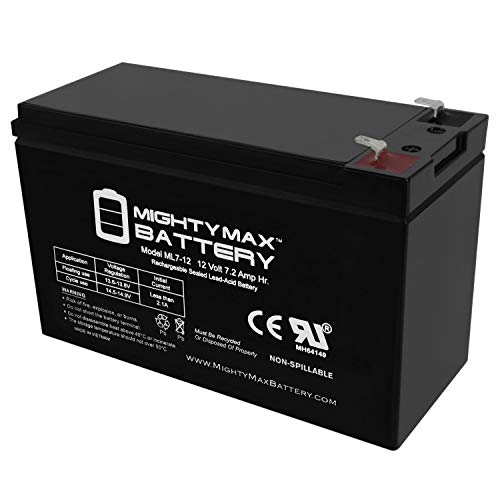
Best for: Small electronics, backup power in compact systems, and as a replacement battery in light 12V applications.
Why selected: A compact 7.2Ah SLA option with F1 terminal compatibility, offering reliable maintenance‑free operation in tight spaces.
Caution: Lower capacity means more frequent recharging for continuous, high‑drain usage.
Mighty Max Battery ML18-12 12V 18Ah

Best for: Higher capacity off‑grid setups and camping gear where more runtime is needed without frequent recharges.
Why selected: 18Ah capacity in a compact form factor, suitable for longer sessions between charges and wide operating temperatures.
Caution: Heavier than smaller 12V backups; ensure mounting supports weight and secure connections.
NERMAK 2 Pack 12V 10Ah LiFePO4 Battery
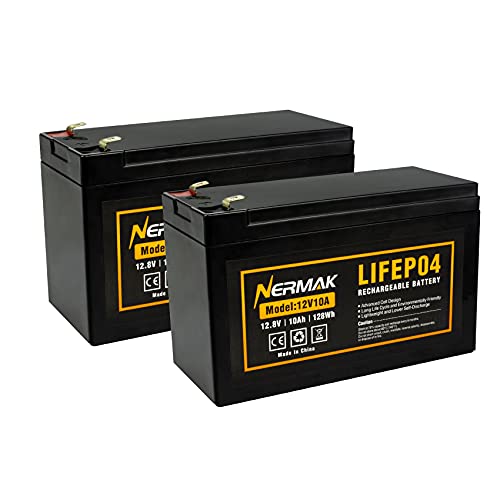
Best for: Lightweight, long‑life power for solar, small inverters, and portable devices where weight matters.
Why selected: LiFePO4 chemistry with built‑in BMS protection delivers up to 2000+ cycles and lower self‑discharge, enabling maintenance‑free storage for months to a year.
Caution: Higher upfront cost than SLA options; ensure BMS compatibility with existing systems and wiring.
ExpertPower EXP1290 12V 9Ah SLA Battery
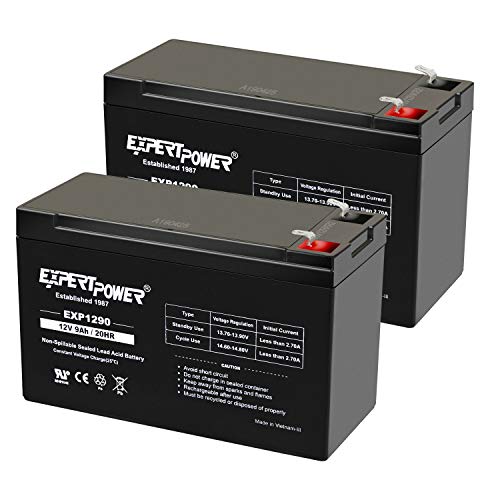
Best for: Backup UPS battery replacement, alarm systems, and mobility aids requiring reliable 12V power from a compact unit.
Why selected: 9Ah capacity with F2 terminals, balancing size and runtime for common low‑drain applications.
Caution: For high‑drain tools, lean toward larger Ah ratings to avoid frequent recharges.
Buying Guide
Key considerations when choosing a 12V battery:
- Application and load: High‑drain devices (inverters, motors) need higher Ah ratings and sometimes AGM or LiFePO4 chemistries.
- Chemistry: AGM/SLA offer maintenance‑free, sealed designs; LiFePO4 provides longer cycle life and lighter weight but at higher upfront cost.
- Size and weight: Compact spaces demand smaller footprints; weight matters for mobile setups like RVs and boats.
- Temperature range: Extreme temperatures affect capacity and lifespan; look for batteries rated for your climate.
- Maintenance needs: Maintenance‑free models reduce upkeep; ensure you can provide adequate charging to avoid sulfation or lithium degradation.
Storage and charging tips:
- Store AGM/SLA batteries charged and in a cool, dry place to minimize self‑discharge.
- Use compatible chargers with correct voltage and charging profile for the chosen chemistry.
- Avoid exposing LiFePO4 cells to high temperatures and prevent deep discharges to maximize cycle life.
Frequently Asked Questions
- What is the difference between AGM and LiFePO4 batteries? – AGM is maintenance‑free and robust for many scenarios but has fewer cycles; LiFePO4 lasts longer with lighter weight but usually costs more upfront.
- How many amps should I choose for my RV inverter? – Match the inverter’s continuous draw plus buffer; higher Ah means more runtime but heavier and more expensive.
- Can I mix battery chemistries? – It’s generally not recommended to mix chemistries in a single system due to differing voltage, charging requirements, and cycle life.
- What is self‑discharge? – A natural loss of stored energy when not in use; lower self‑discharge is better for long storage between uses.
- Do I need a dedicated battery charger for LiFePO4? – Yes; LiFePO4 requires a charger designed for lithium chemistry to prevent overcharging.