Best Deep Cycle Battery Pack for RV, Solar, Marine and Off-Grid Power
If you’re choosing a deep cycle battery pack, you want reliable, long-lasting power for RVs, cabins, boats, solar setups, or off-grid homes. This guide highlights five top options, explains who each is best for, and points out practical trade-offs. Each entry uses clear criteria to help you compare. The buyer intent is practical: pick a battery that fits your system’s size, maintenance tolerance, and climate.
| Product | Best For | |
|---|---|---|
| Weize Deep Cycle AGM 12V 100Ah | RV, Marine, Off-Grid | Low self-discharge; maintenance-free AGM |
| Renogy Deep Cycle AGM 12V 100Ah | RV, Cabin, Solar | Proven safety and high discharge |
| VEMDIA 12V 100Ah LiFePO4 (Group 31) | Weight-sensitive setups; reliable solar/boat/rv | Long life, lightweight, high cycle count |
| Newport Vessels 12V 50Ah AGM | Small boats; trolling motors | Lightweight and sealed for water use |
| Interstate Batteries Marine Deep Cycle 12V 100Ah | Heavy-duty marine use | Deep-cycle power with robust lifecycle |
Weize Deep Cycle AGM 12V 100Ah Battery

This sealed lead-acid AGM battery provides a maintenance-free option with a relatively low self-discharge rate. It is designed for long storage without frequent recharge, which suits seasonal setups or backup power in RVs and small off-grid systems. The product notes emphasize a wide operating temperature range and a high max discharge current for short bursts of power.
Best for: RV owners, caravans, and small off-grid cabins where weight and space are manageable and maintenance is limited. It’s also suitable for trolling motors and marine auxiliary power where a compact 100Ah bank is needed.
Why selected: The 100Ah capacity with AGM chemistry balances cost and robustness for moderate power needs. Maintenance-free operation reduces spill risk and simplifies care in remote locations.
Caution: Self-discharge, while low for an AGM, still requires periodic recharge in long-term storage. Temperature extremes can affect performance and lifespan.
Renogy Deep Cycle AGM 12V 100Ah Battery

Renogy’s AGM battery is positioned as a leading option with wide compatibility for series and parallel connections. The company highlights safety and stable chemistry, positioning it as a reliable all-around choice for RVs, camping setups, cabins, and marine systems. Its design supports multiple configurations without sacrificing performance.
Best for: Systems that may require scalable bank configurations (series or parallel) and safer chemistry for mixed-use environments.
Why selected: Renogy’s reputation in the AGM space, plus the emphasis on safe operation and flexible connections, makes this a solid default for users building a medium-sized power bank.
Caution: AGM performance still drops with high current draw and very cold conditions; ensure adequate ventilation and appropriate charging practices to avoid issues in extreme climates.
VEMDIA 12V 100Ah LiFePO4 Battery (Group 31)

This LiFePO4 option uses a smart 100A BMS and low-temperature protection, delivering a long cycle life and light weight. It’s designed for cycle-heavy use in RVs, boats, and off-grid structures where frequent charging and long lifetimes are desired. The battery is marketed as a high-end choice with deep-cycle performance and maintenance-free operation.
Best for: Lightweight installations or systems prioritizing long life and frequent cycling, such as solar storage or regular RV/boat use where total weight matters.
Why selected: The 15,000+ deep cycles claim (at certain DoD levels) marks this as a high-value option for those who want longevity and reduced maintenance compared to lead-acid.
Caution: LiFePO4 systems rely on proper BMS management; mismatched chargers or improper wiring can limit performance or safety. Ensure compatible charging profiles for best results.
Newport 12V 50Ah AGM Deep Cycle

This Newport model offers a lightweight option specifically marketed for trolling motor use. It’s sealed and designed for marine environments, with a focus on portability and quick handling for small boats or compact power needs.
Best for: Small to mid-size boats using trolling motors where weight savings and sealed construction matter.
Why selected: The 50Ah capacity with a sealed AGM design makes it a practical match for limited spaces and lighter electrical loads aboard small vessels.
Caution: Lower capacity means more frequent recharging for longer trips or higher-demand devices; plan your power budget accordingly.
Interstate Batteries Marine Deep Cycle 12V 100Ah
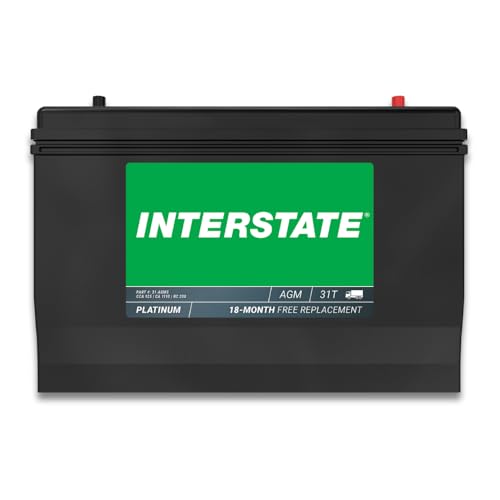
This marine AGM battery emphasizes extreme deep-cycle capability, designed to power boat motors and accessories through extended periods of use. It positions itself as a robust option for users who require durable, long-lasting performance under continuous draw.
Best for: Marine installations that demand steady, reliable power for trolling motors, electronics, and other onboard devices over longer trips.
Why selected: The emphasis on thick plates and extended discharge life aligns with expectations for high-demand marine use where durability matters most.
Caution: Not intended as a replacement for automotive batteries; ensure you’re selecting the right form factor and capacity for your boat’s electrical system.
Buying Guide: Key Considerations When Choosing a Deep Cycle Battery Pack
- Chemistry type: AGM vs LiFePO4. AGM is maintenance-free and robust for many apps; LiFePO4 offers significantly longer cycles and lighter weight but may require more careful charging profiles and BMS compatibility.
- Capacity and cycle life: 100Ah is common for mid-range builds. If you plan daily cycling or long solar days, prioritize higher cycle counts and consider the DoD (depth of discharge) you’ll routinely use.
- Weight and form factor: Group 31 (for larger RV or boat banks) versus smaller 50Ah packs. LiFePO4 is typically lighter for the same capacity and may fit tighter compartments.
- Charging compatibility: Match battery chemistry with your charger and solar controller. LiFePO4 requires appropriate BMS and charging voltages; AGM needs proper charging voltages to maximize life.
- Temperature sensitivity: Discharge and charging specs change with temperature. Cold weather can reduce performance for lead-acid batteries; some LiFePO4 packs include low-temperature protection.
- Maintenance and safety: AGM batteries are sealed and spill-proof, great for mobile installations. LiFePO4 requires BMS awareness but offers cleaner, longer runtimes with less maintenance.
- System integration: Consider how many batteries you’ll put in series or parallel. Ensure the chosen model supports the intended configuration and that wiring is sized for the expected current.
- Application fit: For trolling motors and small craft, weight matters; for RVs and cabins, long-cycle endurance and reliability may take precedence over initial cost.
FAQ
What is the difference between AGM and LiFePO4 for deep cycle use?
AGM is maintenance-free and robust in many environments, but offers fewer cycles than LiFePO4, with heavier weight. LiFePO4 provides longer lifespan, lighter weight, and higher cycle counts but requires compatible charging and BMS management.
How many batteries do I need for a typical off-grid cabin?
It depends on load and daily usage. A common approach is to start with 2–4 batteries (200–400Ah total) for moderate solar setups, then adjust based on consumption and autonomy needs.
Can I mix battery chemistries in a single system?
Avoid mixing chemistries in a single bank. Different chemistries have distinct charging profiles and can damage the system or reduce performance.
What maintenance is required for AGM vs LiFePO4?
AGM requires periodic charging to prevent deep discharge, while LiFePO4 generally needs no water maintenance but requires appropriate BMS and charging equipment.
Is a higher C-rate max discharge better for me?
A higher max discharge current is helpful for brief peaks (starting motors, power tools). For steady charging, focus on total capacity and cycle life rather than peak current alone.