Best Single-Phase Submersible Pumps for Home, Worksite, and Drainage Needs
Answering common buyer questions, a single-phase submersible pump is ideal for small to medium dewatering tasks, basement drainage, and light wastewater handling where 115-volt power is available. This guide highlights five reliable options, focusing on 2″ or 3″ discharge models and their best-fit use cases. The top picks target homeowners, renters, contractors, and rental fleets seeking straightforward, single-phase operation with compact designs and solid value.
Overview of selected products:
| Product | Best For | Discharge | Power |
|---|---|---|---|
| Multiquip ST2040T Electric Submersible Trash Pump | Construction sites and small job sites | 2″ | 1 HP |
| Zoeller 53-0016 M53 Mighty-Mate | Basements and effluent drainage | 2″ | 0.3 HP |
| LB-800 1 HP Submersible Dewatering Pump | Replacement parts and compatibility needs | 2″ | 1 HP |
| HS2.4S / HSZ2.4S Submersible Trash Pump | Sand and solids-rich dewatering | 2″ | 1/2 HP |
| Multiquip Bon Submersible Pump | Compact, lightweight drainage | 2″ | Unknown data |
Multiquip ST2040T Electric Submersible Trash Pump
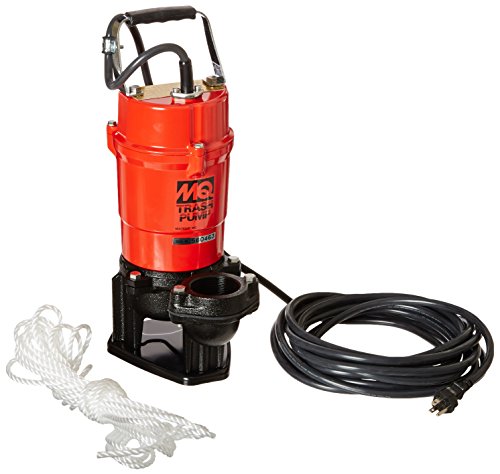
The ST2040T features a 2″ suction and discharge with a 1 HP, 115-volt single-phase motor. Suitable for light trash pumping and debris-laden water, it’s best for small job sites or home projects where a compact, reliable unit is needed. Choose this if you require straightforward operation and solid GPM for general dewatering.
Best for: small construction or contractor tasks requiring a robust, portable trash pump. Limitation: heavier weight compared with ultra-light options; check manual clearances for tight spaces.
Multiquip ST2037 Electric Submersible Pump

The ST2037 is a 1 HP, 115-volt single-phase centrifugal pump with a 2″ suction/discharge. It’s well-suited for consistent dewatering tasks in basements, crawl spaces, or small job sites where a reliable, compact pump is required. Best for: consistent daily use where a proven name delivers predictable flow.
Limitation: lower head compared with larger MultiQuip units, so verify height of water rise before use.
LB-800 1 HP Submersible Dewatering Pump

The LB-800 offers a 2″ discharge with a single 115 V phase and 70 GPM maximum, making it a practical option for replacement parts compatibility and straightforward dewatering. Best for: users seeking a widely compatible dewatering pump with a genuine replacement model pathway. Caution: verify compatibility with your existing pump setup before purchasing.
HS2.4S / HSZ2.4S Submersible Trash Pump

This 2″ single-phase pump is designed for dewatering in challenging environments, with solid-handling capabilities and a rugged build suitable for rental yards and construction sites. Best for: operations needing reliable solids handling with compact size. Limitation: some models are lower horsepower, which may impact high-head tasks.
Multiquip Bon Submersible Pump
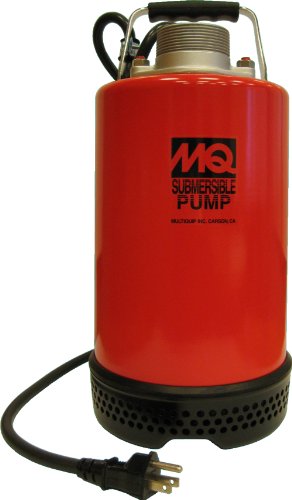
The Bon submersible pump emphasizes a compact, lightweight aluminum housing and streamlined design. Best for: quick, portable drainage tasks where space is limited and ease of transport matters. Caution: specific flow and head figures are not listed in the data provided, so confirm suitability for your elevation and required GPM.
Buying Guide
What should I look for in a single-phase submersible pump?
Key factors include discharge size (2″ is common in these models), horsepower (HP), flow rate (GPM), head height (how high water can be pumped), and voltage (115 V for single-phase units). Consider whether you need solids handling, automatic float switches, and the pump’s duty cycle for continuous use.
Solid handling vs. wastewater needs
Trash pumps handle solids and debris better than clean-water pumps. If your site has sand, grit, or small solids, prioritize models marketed as trash or solids-handling. For clean water or light effluent, non-trash models may suffice and offer quieter operation.
Power considerations
All selected models operate on 115 V single-phase power. Ensure your power source can supply the current without tripping breakers, especially on longer runs. If you anticipate higher head heights or longer discharge runs, consider a unit with higher GPM or a model designed for higher head.
Portability and durability
Look for lightweight, compact housings and corrosion-resistant materials. Aluminum housings offer light weight, while cast iron can improve durability in tough environments. Consider float switch presence for automatic operation in basins or pits.
Maintenance and replacement parts
Choose brands with readily available replacement parts and service networks. Replacement impellers, diaphragms, and gaskets can extend pump life and performance in challenging sites.
Installation notes
Verify discharge orientation, priming requirements, and whether the unit includes a built-in check valve or requires external fittings. Confirm compatibility with your hoses and adapters to ensure leak-free operation.
Summary in quick terms
- Best for small sites: Multiquip ST2040T or ST2037 for reliable performance.
- Best for basements and effluent: Zoeller M53 Mighty-Mate offers compact form with solid handling.
- Best for replacement/compatibility: LB-800 provides a familiar form factor and 70 GPM capability.
- Best for solids-rich dewatering: HS2.4S family with integrated agitation and rugged design.
- Best for portability: Multiquip Bon for quick, space-saving drainage tasks.
Frequently Asked Questions
- What is a single-phase submersible pump? Answer: A pump powered by a single electrical phase, typically 115 V in residential and light commercial settings, designed to operate submerged in water.
- What does GPM tell me? Answer: Gallons per minute; higher GPM means faster water removal for the same head.
- Is solids handling important? Answer: Yes if you expect debris or sand; select a trash or solids-handling model.
- Do I need a float switch? Answer: Float switches automate pumping in pits or basins, reducing the need for manual operation.
- Which pump is best for basements? Answer: Models with 2″ discharge and automatic float switches are common choices for basement drainage.
- Can I mix brands? Answer: Yes, as long as fittings and power compatibility are ensured, but verify performance specs align with your needs.