Best Wrap-on Pipe Heating Cables for Freeze Protection and Reliable Water Flow
Choosing a wrap-on pipe heating cable with the right certifications, thermostat features, and energy efficiency can prevent costly pipe bursts and keep water flowing during winter. This guide highlights five top-rated cables that fit common American plumbing setups, from metal to plastic pipes. Each option balances safety, performance, and ease of installation, so you can compare at a glance and pick the best match for your home. The following sections include product-specific details, installation notes, and a practical buying guide to help you choose wisely.
| Product | Length | Wattage | Voltage |
|---|---|---|---|
| HEATIT Heating Cable | 6 ft | 7 W/ft | 120V |
| Pirit Wrap-On Pipe Heating Cable | 30 ft | 2 W/ft | 120V |
| Wrap-On Pipe Heating Cable | 60 ft | 2 W/ft | 120V |
| Frost King HC6A | 6 ft | 7 W/ft | 120V |
| MAXKOSKO 6 ft | 6 ft | 5 W/ft | 120V |
Summary: The products above emphasize safety via full-length certifications, self-regulating heating elements, and built-in thermostats that turn on and off automatically. They suit metal and plastic pipes and vary in length to fit typical home runs, basements, attics, and exterior pipes. When selecting, consider pipe material, insulation options, local climate, and the installation layout you prefer—straight runs, wraps, or a combination.
HEATIT 6ft Self-Regulating Cable with Thermostat

The HEATIT 6ft heating cable is designed for water pipes with a built-in thermostat that activates around 37°F and deactivates near 50°F. It uses 7 watts per foot, delivering robust protection for medium-length runs. Certification is comprehensive, with CSA and ETL marks ensuring safety across the entire heating circuit, not just the plug. The included UL-listed plug adds an extra layer of safety. The system is noted for its durability and straightforward installation, making it a practical choice for homeowners prioritizing reliability.
Key features include: full end-to-end CSA and ETL certification, a UL-listed plug, self-regulating elements to adjust power, and a focus on water-filled metal or plastic pipes. The product comes with clear installation guidance and is designed to minimize energy usage while delivering consistent heat where needed. This model is suitable for shorter to medium-length runs and weather-exposed areas where protection against freezing is critical.
Installation considerations: ensure a straight, non-overlapping layout, avoid crossing, and maintain clear insulation coverage around the heating cable to maximize efficiency. This cable performs well in below-freezing conditions and is best suited for pipes that experience periodic temperature dips rather than constant extreme cold.
Pirit Wrap-On Pipe Heating Cable

The Pirit model offers 30 feet of wrap-on heating cable with a built-in thermostat that activates at 38°F and protects pipes down to -50°F. It emphasizes energy efficiency, using only about 2 watts per foot, which is substantially lower than many standard heat tapes. The unit is marketed with a user-focused “press-to-test” feature to verify operation prior to and after installation, ensuring reliability during cold snaps.
What to expect: a straightforward wrap-on installation, insulation (sold separately) to boost efficiency, and a design that supports multiple pipe materials. The thermostat functionality helps minimize energy use while preventing freezing. This option works well for longer runs where a little extra length provides flexibility in routing along exposed areas or across basements and crawlspaces.
Practical notes: plan your wrap scheme to avoid overlapping turns, and confirm insulation compatibility to maximize heat retention. The device is well-suited for cells and cavities that benefit from careful, controlled temperature management.
Wrap-On Pipe Heating Cable 60 ft

This 60-foot Wrap-On model extends reach for longer plumbing runs or exterior segments of a home. It includes a built-in thermostat that engages at 38°F and disengages at 50°F, helping prevent freezing while maintaining energy efficiency with low wattage. The insulation considerations remain important here; matching insulation with the extended length can reduce heat loss along the course of the run. The product is designed for versatility, compatible with both metal and plastic pipes, and is ideal where polar winter conditions threaten pipe integrity.
Key considerations: longer cable length means more routing options but may require more careful management of connections and inspections. The energy-saving feature at 2 watts per foot helps keep operating costs reasonable even in harsher climates, making it a popular choice for exterior spouts, basements, or garages.
Frost King HC6A Automatic Heating Kit
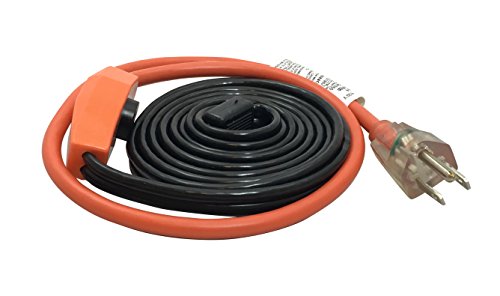
The Frost King HC6A is a compact 6-foot premium heating kit designed to keep water flowing down to -40°F. It’s a straightforward installation option for quick setup in tight spaces like crawlspaces or utility rooms. At 7 watts per foot, it delivers ample heat for smaller pipe sections and is suitable for metal or plastic pipes. The kit emphasizes reliability through a simple design intended for fast deployment during cold snaps.
Important considerations: verify compatibility with your pipe type, especially if you have copper or PEX lines. The heater’s safety features, including a thermostat, help manage energy usage and ensure the system only operates when needed. This model is a practical choice for small to medium-length runs where space is a constraint but dependable protection is still required.
MAXKOSKO 6 Ft Self-Regulating Cable

MAXKOSKO offers a 6-foot self-regulating heating cable with a 5 W/ft rating, designed for both metal and plastic pipes. It includes a 3-foot power cord and a total length that supports moderate runs, with a thermostat to turn on at 38°F. The self-regulating technology minimizes overheating and provides adaptive heat output based on ambient conditions, enhancing energy efficiency while maintaining thaw protection down to -40°F.
Given its versatility, this model suits homeowners who require reliable protection for longer exterior runs or more complex routing. The 3-foot cord helps position the thermostat and plug away from water exposure, while the energy-saving profile contributes to lower electricity use during recurring freeze cycles.
Buying Guide: Key Considerations for Wrap-On Pipe Heating Cables
- Pipe material compatibility: Most cables work with metal and plastic pipes, but verify if you have copper, PVC, PEX, or stainless steel, as some models emphasize one material.
- Thermostat and on/off range: A built-in thermostat that activates around 38°F to 37°F and turns off between 50°F and 50°F is typical. Ensure the temperature range matches your climate and pipe exposure.
- Certification and safety: Look for full-length certifications (ETL, CSA) for the entire cable, not just the plug. This reduces risk and ensures compliance with safety standards.
- Length versus coverage: Longer cables cover more area but may require careful routing to avoid overlapping or crossing. Plan insulation accordingly to maximize energy efficiency.
- Energy efficiency: Self-regulating cables adapt heat output to ambient conditions, reducing energy use compared with constant-wattage tapes. Consider watt-per-foot ratings and total run length.
- Insulation considerations: Insulation sold separately or included influences overall performance. Proper insulation minimizes heat loss, improving efficiency and response times.
- Warranty and liability: Some brands offer extended warranties or product liability coverage, which can provide peace of mind for long-term use.
- Installation environment: Exterior or in-unheated spaces may require more robust protection against moisture and UV exposure. IP ratings and jacket materials matter for durability.
In sum, for residential freeze protection, prioritize full-length certifications, built-in thermostats, energy-efficient wattage, and pipe compatibility. Compare lengths and installation layouts to choose a solution that minimizes risk while delivering reliable heat to prevent frozen pipes and maintain water flow during extreme cold.