Best Wireless Thermostat for Baseboard Heaters: Smart, Energy-Saving Control
Baseboard heaters demand reliable, high-voltage control to maximize comfort and efficiency. This guide highlights top wireless and programmable thermostats designed for line-voltage baseboard systems (120V–240V). Each option supports remote control, scheduling, and smart integrations so you can manage heat from your phone, voice, or a smart home routine. Read on to compare features, installation needs, and compatibility to choose the best fit for your system.
Summary table of chosen products
| Product | Brand | Key Strength | Voltage Range | Smart Home Integration |
|---|---|---|---|---|
| Mysa Smart Thermostat LITE | Mysa | Wi‑Fi control, free app, scheduling | 120V/240V | HomeKit, Alexa, Google |
| Mysa Smart Thermostat (240V) | Mysa | Remote control with free app, compact | 240V (up to 3800W) | HomeKit, Alexa, Google |
| meross Smart Thermostat | meross | Easy install with 4 wires, voice control | 120V–240V | Apple HomeKit, Alexa, Google |
| MOES Programmable Smart Thermostat | MOES | Remote control, energy saving schedules | 120V–240V | Alexa, Google Home |
| Honeywell CT410B Manual 4 Wire | Honeywell Home | Line-voltage baseboard compatibility, simple operation | 120–240V | None (manual) |
Mysa Smart Thermostat LITE for Line Voltage Baseboards
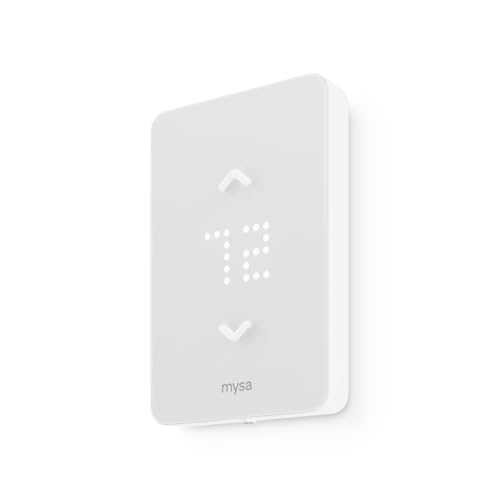
The Mysa LITE is designed for 120V–240V electric baseboard heaters, fan-forced heaters, wall heaters, and convectors. It enables Wi‑Fi control, scheduling, and energy reporting without subscription fees. Features include remote control, daily schedules, and smart integrations with popular ecosystems. Ideal for users seeking a modern, app-driven approach to baseboard heating with ongoing cost savings through optimized usage.
Mysa Smart Thermostat for 240V Baseboards

This model supports high‑voltage systems up to 3800W at 240V and 1900W at 120V. It requires at least four wires, including neutral or a second live wire, for proper operation. It includes adaptive display features and integration with HomeKit, Alexa, and Google Home. A compact design and thoughtful wiring guidance help ensure compatibility with older or four-wire setups while enabling modern smart features.
Meross Smart Thermostat for 120–240V Heaters

Meross provides a high‑voltage compatible thermostat for baseboard, convectors, and fan‑forced heaters. It requires four wires and supports high‑voltage loads up to 3840W at 240V. The device integrates with Apple HomeKit, Alexa, Google, and SmartThings, enabling voice control and routine automation. The installation emphasizes a secure 4‑wire connection and a clean digital interface with energy‑saving scheduling.
MOES Programmable Smart Thermostat for Electric Heaters

MOES offers a Wi‑Fi enabled thermostat for 120V–240V electric baseboard heaters and other high‑voltage applications. It supports remote control via the Smart Life/Tuya app and is compatible with Alexa and Google Assistant. The device emphasizes energy savings through scheduling and remote operation, with a modern knob-style interface for manual adjustments and a clear, bright display.
Honeywell CT410A Manual 2‑Wire Baseboard Thermostat

The CT410A is a two‑wire, non‑programmable manual control thermostat suitable for baseboard heating. It provides durable operation with a straightforward temperature setting and a backlit display. This option is best for users who prefer simple, reliable on/off control without smart features or scheduling capabilities.
Honeywell Home CT410B Manual 4‑Wire
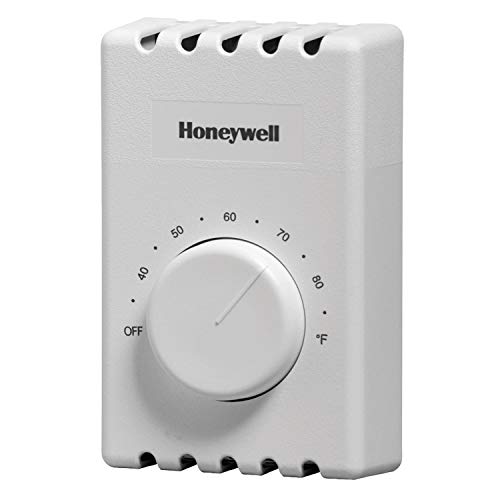
The CT410B is a 4‑wire, line‑voltage manual thermostat designed for baseboards, convectors, and similar heaters. It uses a simple bimetal sensor for dependable, user‑friendly operation. While it lacks programmability, its rugged design and compatibility with traditional baseboard setups make it a staple option for straightforward heat control.
Honeywell Home RLV4305A1000 5‑2 Day Programmable

This 5‑2 day programmable thermostat offers high precision control for baseboards and convectors, with an accuracy around ±0.27°F. It uses TRIAC switching for silent operation and stable temperature management. Suitable for users who want scheduled heating patterns without relying on smart home ecosystems, this model balances reliability with programmable convenience.
Buying Guide: Key Purchase Considerations
- Voltage compatibility: Ensure the thermostat supports your baseboard system’s voltage (120V, 240V, or dual). High‑voltage devices often require four wires and a neutral or second live wire for proper operation.
- Wiring requirements: Some models mandate specific wire counts (4-wire setups) and neutral connections. Verify your current wiring before purchasing to avoid compatibility issues.
- Smart features vs. manual control: If you want remote access, scheduling, and energy insights, prefer Wi‑Fi connected or app‑based thermostats. For simple on/off control, manual 2‑wire or 4‑wire models may suffice.
- Smart home integrations: Check compatibility with Apple HomeKit, Amazon Alexa, and Google Home to fit your existing ecosystem. Some options offer occasional edge features without a subscription.
- Energy savings: Many Wi‑Fi thermostats provide energy reports and adaptive scheduling. Look for features like geofencing, adaptive learning, and remote away‑modes to optimize usage.
- Installation complexity: Some devices require professional wiring or careful wiring checks, especially for older baseboard systems. Consider whether you’re comfortable with electrical work or if professional installation is advisable.
- Display and usability: A clear, legible display and intuitive controls improve day‑to‑day use. Some models add adaptive brightness or easier manual control options for bedside or living areas.
- Reliability and updates: Look for devices with active app support and ongoing firmware updates to address security and compatibility with new smart home platforms.
- Pricing and value: Free apps with no subscriptions, energy reports, and reliable scheduling are factors that improve long‑term value beyond initial cost.