Best WiFi Heat-Only Thermostats for Modern Homes
Answering the search for a WiFi heat-only thermostat, these models offer smart scheduling, energy management, and remote control. They’re ideal for homeowners who want reliable heat control without cooling features. The top picks below vary by compatibility, installation ease, and smart-home integration, helping you choose based on your heating system and preferred ecosystem.
Summary Table
| Product | Best For | Key Benefit |
|---|---|---|
| Honeywell Home RTH9585WF1004 | Colorful display lovers, energy rebates | 7-day programming, Energy Star |
| Honeywell Home Smart Thermostat X2S (Gray) | Alexa/voice users, flexibility | WiFi control, schedule options |
| Emerson Sensi ST55 | DIY friendly, privacy-conscious | Energy Star, remote access |
| Google Nest Thermostat | Nest ecosystem users, simple setup | Energy saving features, compatibility checker |
| Honeywell Home Smart Thermostat X2S White | Multiple scheduling options | App control, humidity monitoring |
Honeywell Home RTH9585WF1004 Wi‑Fi Smart Color Thermostat
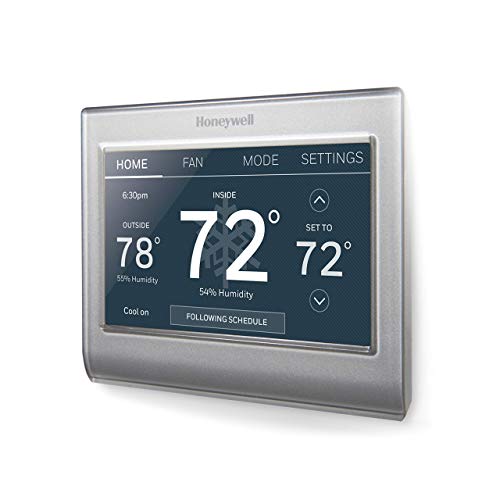
The RTH9585WF1004 is a color-touch Wi‑Fi thermostat with 7‑day programming and Energy Star certification. It supports remote control and works with Alexa. This model suits buyers who want a stylish display that matches their decor while still enabling rebates and demand-response opportunities from participating utilities. Consider this if you value a colorful interface and utility programs that reward energy-saving behavior.
Best for: Decor-conscious households and energy‑savvy buyers who may participate in demand response programs.
Caution: Check compatibility with your HVAC system and ensure a C‑wire is present for reliable power, as some setups may require adapters.
New! Honeywell Home Smart Thermostat X2S (Gray)

The X2S model provides WiFi control, Matter certification, and compatibility with major voice assistants. It supports flexible scheduling and offers reminders for filters and humidity monitoring. It’s best for households seeking broad smart-home integration and easy remote management. It’s suitable for both conventional and heat-pump configurations when properly wired.
Best for: Homes already using Alexa, Google Assistant, or Apple HomeKit, and those who want robust scheduling and energy monitoring.
Caution: Ensure your home has the required wiring (C‑wire may be needed) for optimal operation with specific HVAC setups.
Emerson Sensi Wi‑Fi Smart Thermostat ST55
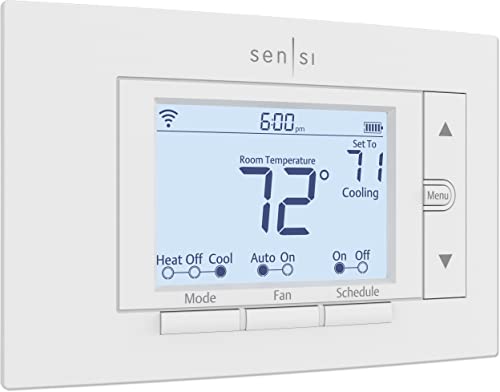
The Sensi ST55 emphasizes privacy and energy efficiency, with remote access and flexible scheduling. It is Energy Star certified and designed for straightforward DIY installation. This option is ideal for users who value data privacy and a simple setup while still benefiting from energy-savings features. Common wires are not required in most installations.
Best for: Homeowners prioritizing privacy and a quick, do-it-yourself install.
Caution: In some homes, a C‑wire may be needed for reliable operation with certain systems, particularly heat pumps or heat/cool configurations.
Google Nest Thermostat
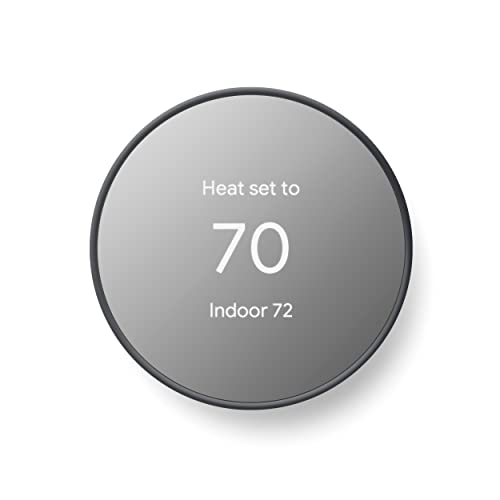
The Nest Thermostat integrates with Google’s ecosystem and is Energy Star certified. It turns itself down when you’re away, helping minimize energy waste. It’s designed to work without a C-wire in most homes, but some systems may still require it or a power accessory. It’s best for users who value a simple setup and seamless Google Assistant integration.
Best for: Homes already using Google smart-home devices or who want a straightforward, energy-saving thermostat experience.
Caution: Some heating-only or complex systems may require a C‑wire or compatible power accessory for consistent operation.
New! Honeywell Home Smart Thermostat X2S White

This white X2S variant extends the X2S family with scheduling flexibility and app control, plus humidity monitoring and display customization. It’s well-suited for users who want a clean white aesthetic and reliable WiFi control across rooms. It’s a solid choice for households seeking multi-day programming and compatibility with popular voice assistants.
Best for: Clean, minimalistic setups and households that want consistent control across the smart-home ecosystem.
Buying Guide
Key considerations when choosing a WiFi heat-only thermostat include compatibility with your HVAC system, wiring requirements, and the ecosystem you prefer. If you’re unsure about wiring, prioritize models advertised as DIY-friendly with clear installation guides and C-wire notes.
- System compatibility: Confirm your system supports a non‑cooling configuration and whether a heat pump or conventional furnace is present. Some thermostats are optimized for specific setups.
- Wiring needs: Many thermostats require or prefer a C-wire. If you lack a C-wire, look for models that claim compatibility without one or consider a C-wire adapter.
- Smart‑home integration: Choose a model that aligns with your preferred ecosystem (Alexa, Google Assistant, Apple HomeKit, or Matter). This affects voice control and routine automation.
- Energy features: Energy Star certification, flexible scheduling, geofencing, and usage reports help quantify potential savings and justify the upgrade.
- Display and comfort: A clear color touch screen, display options, and humidity monitoring can improve comfort and ease of use.
FAQ
Do WiFi heat-only thermostats require a C-wire?
Many do, but some models work with a limited power supply or power adapters. Check the product’s wiring requirements before purchasing.
Can these thermostats work without a neutral wire?
Some models are designed to operate without a C-wire, but a C-wire or compatible power accessory may be needed for reliable operation on certain systems.
Are these compatible with smart-home assistants?
Yes, most listed models support major assistants (Alexa, Google Assistant, Apple HomeKit) and some support Matter for broader compatibility.
Will a WiFi thermostat save energy if I forget to program it?
Remote access, scheduling, and smart features contribute to energy savings, but actual results depend on usage patterns and climate.
Is installation DIY-friendly?
All listed models are marketed for DIY installation, but complex HVAC configurations may require professional help.