Best Well Water Level Sensor Solutions for Home Monitoring
Preparing for reliable water management starts with accurate level sensing. This guide highlights top well water level sensors, offering 5 practical options for homes and small properties. Learn how each device works, what to watch for, and how to choose the right model for your needs—whether you want WiFi alerts, long-range wireless, or battery-powered monitoring.
| Product | Brand | Key Advantage |
|---|---|---|
| Risinglink Smart Water Level Monitor | Risinglink | 2-phone/4-email alerts; independent setup |
| HTSZIOT 8m Well Depth Detector | HTSZIOT | Wide measurement range; remote via Tuya/Smart Life |
| MySpool Water Level Alert | MySpool | Battery-powered; no hub; standalone alerts |
| PTLevel Wireless Tank Monitor | PTLevel | Dual high/low alerts; SMS & email |
| YoLink LoRa Smart Water Level Sensor | YoLink | LoRa long-range; battery-powered |
Risinglink Smart Water Level Monitor

The Risinglink device is a WiFi-enabled water level monitor designed for indoor or outdoor use with a stainless steel float sensor. It supports 2.4 GHz WiFi and provides multiple notification channels, including email and text messages for high or low water levels, returns to normal, low battery, and offline status. A key feature is the ability to register two phone numbers and four email addresses per device, which improves alert reliability without depending on unreliable Email-to-SMS services. Setup requires no apps or hubs, simplifying installation for many homeowners.
With its emphasis on timely, complete status updates, Risinglink is suitable for well water wells, storage tanks, and sumps where rapid changes demand prompt notification. Users should ensure 2.4 GHz WiFi coverage at the sensor location and consider power options, as battery life depends on usage and signal strength. The device’s capability to notify multiple contacts makes it a strong pick for households with multiple caregivers or partners managing water systems.
HTSZIOT 8m Well Depth Detector

The HTSZIOT unit measures liquid levels from 0.4 to 8 meters, making it versatile for large tanks, basins, ponds, or storage tanks. It connects via WiFi and supports remote monitoring through Tuya Smart or Smart Life apps. The system includes intelligent early warnings, with customizable high and low alerts that push real-time reminders to your mobile device, helping prevent overflow or depletion. The long-range measurement capability is ideal for outdoor wells or elevated storage tanks where precise level readings matter for pump control and system safety.
MySpool Water Level Alert
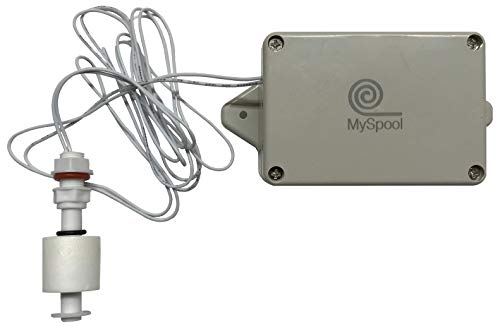
MySpool provides battery-powered water level alerts with a simple, hub-free setup. It supports email and text notifications when water levels change and works as a standalone high or low water alarm. The unit includes a rugged waterproof float sensor with a 5-foot wire and a protective enclosure for the electronics, making it suitable for wells, basins, aquariums, ponds, or storage tanks. Its standalone nature is advantageous for users who want a quick, low-maintenance monitoring option without ongoing subscriptions.
PTLevel Wireless Tank Monitor

PTLevel offers dual alerts for high and low levels via email and SMS, and it supports sharing the device with your water level team. The system is designed for outdoor or industrial environments with a weatherproof build and a wide operating temperature range (-40 to 85 Celsius). It runs on four AA batteries, providing a low-maintenance solution with long-term reliability for wells, storage tanks, or other liquid containers where persistent monitoring is needed and wired power is inconvenient.
YoLink LoRa Smart Water Level Sensor

The YoLink sensor uses LoRa for long-range communication and is battery-powered, ideal where WiFi coverage is limited. It supports a wide range of applications—from sump pumps to condensate overflow and tank level monitoring. Its 105 dB siren adds audible alerts as a supplementary safety measure. While LoRa offers excellent distance, it requires a YoLink hub to centralize alerts and control. The system is suitable for large properties or remote wells where traditional WiFi-based sensors may struggle to reach a reliable alert network.
Daytech Water Level Sensor Alarm

Daytech offers a 100 dB alarm with an extra-long 78-inch detector cable, making it well-suited for basements, sump pits, pools, or large tanks where long reach is beneficial. It provides a 2-in-1 detector for high and low water level detection, with an audible alert that can be paused or ends when the level normalizes. This makes it a practical choice for immediate property protection against water damage, with straightforward setup and reliable alerting.
Roamoris Automatic Water Level Controller

Roamoris presents a comprehensive liquid level sensor with 6.5-foot wiring and a 4-mode controller suitable for 110–120V systems. The device supports multiple operational modes—Water Supply, Drain, Lack of Water Stop, and Joint Mode—giving users versatile control over pumps and valves. Its stainless steel detector is durable, resistant to corrosion, and designed for long-term outdoor or wet environments. This option emphasizes integrated control alongside monitoring, useful for more automated water systems.
Buying Guide: Key Purchase Considerations
- Connection method: Decide between WiFi, LoRa, or wired/battery-powered configurations. WiFi is common for home use, LoRa suits remote properties, and battery-powered sensors minimize wiring but may require changes for hubless setups.
- Alerts and notifications: Look for multiple channels (email, SMS, app push) and the ability to add multiple contacts. Consider whether real-time alerts upon level return to normal are important for your workflow.
- Measurement range and accuracy: Ensure the sensor range fits your tanks or wells. Outdoor installations may need robust, weatherproof builds and long sensor cables or robust float mechanisms.
- Power considerations: Battery life and power options matter. Some devices use AA batteries, others are 12V/24V systems, and solar charging may be available for remote locations.
- Installation and compatibility: Check mounting options, float sensor type, and whether the device requires a hub or a specific app ecosystem. Ensure compatibility with your existing monitoring setup or home automation.
- Durability and environmental resistance: For outdoor wells or tanks, choose weatherproof enclosures, stainless steel parts, and rugged connectors to withstand moisture and temperature fluctuations.
- Data access and insights: Consider whether you need historical data, alerts history, or remote monitoring via mobile apps. Some systems offer cloud access or local data logging.
- Cost of ownership: Factor in potential subscription needs, replacement sensors, and battery life. Some options advertise free notifications without ongoing fees, while others rely on paid plans or hubs.
Across these options, the best choice depends on your property size, the presence of WiFi or cellular coverage, and how you want to receive alerts. For quick, standalone monitoring, battery-powered devices with local alerts provide ease of use. For larger properties or remote wells, LoRa or multi-contact alerting with cloud access offers broader coverage and reliability.