Best Weatherproof Electric Fence Chargers for Reliable Outdoor Protection
If you need dependable, weatherproof power for livestock fencing, these top options cover solar, plug-in, and battery-assisted models. They’re best for pasture-perimeter setups, predator deterrence, and small to mid-size farms. The following picks emphasize durability, output stability, and versatility across conditions—so you can choose a charger suited to your animals, climate, and fencing type.
| Product | Power Source | Approximate Range | Best For |
|---|---|---|---|
| 24 Hour Solar Electric Fence Charger, 10 Miles | Solar | Up to 10 miles | Pastures with reliable sun; pasture-wide protection |
| Happy Henhouse Electric Fence Charger | 110V AC Plug-in | Up to 2 miles | Small farms and gardens needing steady power without solar |
| Zareba 50 Mile AC-Powered Charger | AC Power | Up to 50 miles (ideal), less in heavy weed | Large fencing with weed challenges |
| FarmNix 12KV Electric Fence Charger | Three power options (AC, DC, Solar with panels sold separately) | Up to 12 miles under some conditions | Versatile environments; long-term mixed power setups |
| ANDMON 10 Miles Solar Electric Fence Charger | Solar | Up to 10 miles | Portable grazing or temporary fencing with day/night operation |
24 Hour Solar Electric Fence Charger, 10 Miles
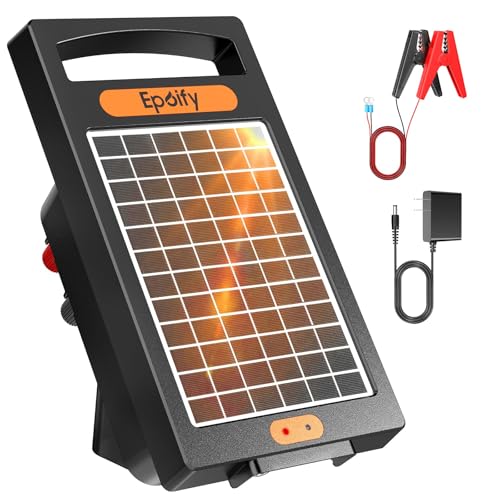
Features: 0.18J output for livestock control and predator deterrence; up to 10 miles coverage for pasture fencing; 24/7 operation with a built-in large-capacity battery for day charging and night protection. This makes it well suited for small to medium grazing areas where sun exposure is reliable. Best for: small to mid-sized pastures needing continuous solar-powered operation. Limitation: solar performance depends on daylight and grounding quality, which can affect worst-case night protection in overcast conditions.
Happy Henhouse Electric Fence Charger

Features: Powerful 110V AC plug-in power; 0.25J pulse energy for a noticeable deterrent without harming animals; can run up to 2 miles of fencing. Best for: small farms or gardens that want a reliable, non-solar option with simple installation. Limitation: requires continuous AC power; not ideal for remote areas without access to electricity.
Zareba 50 Mile AC-Powered Low Impendence Charger

Features: 50-mile rating in ideal conditions, with up to 6 miles in heavy weed conditions; universal compatibility with fence types including high-tensile, polywire, and polytape. Best for: larger pastures and fences with weed challenges where high output and adaptability are crucial. Limitation: performance can drop with heavy vegetation; ensure weed control and proper grounding for best results.
FarmNix 10KV Electric Fence Charger

Features: 5 miles range with 1 Joule pulse energy and 12 kV output; dual LED displays and indicator lights; supports AC, DC, and solar power options (solar panel and battery sold separately). Best for: farms needing a compact, LED-informed charger with multiple power options. Limitation: actual range can vary with vegetation and soil; ensure compatible power sources are chosen for long-term operation.
ANDMON 10 Miles Solar Electric Fence Charger
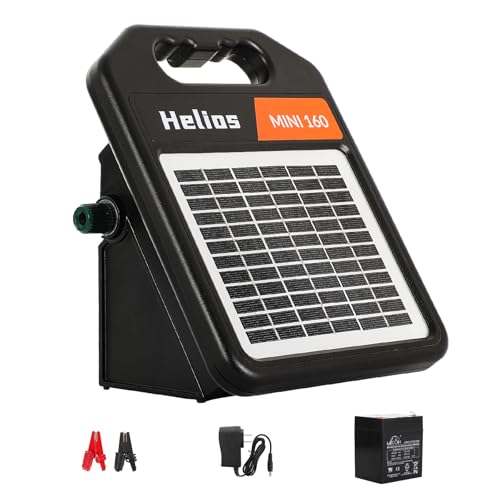
Features: 0.16J pulse energy; up to 10 miles range; portable solar charger with an integrated rechargeable solar panel for 24-hour protection. Best for: strip grazing or temporary fencing where mobility and solar independence are priorities. Limitation: lower pulse energy compared to some high-output models; may require frequent maintenance of solar panel cleanliness for optimal performance.
Buying Guide
What power source fits my fencing needs?
- Solar chargers work well in sunny locations and offer off-grid operation, but performance depends on sunlight and proper grounding.
- AC-powered plug-ins provide steady power and strong pulses, ideal for permanent setups without sun concerns.
- Hybrid options (three power modes) give flexibility in changing conditions and locations.
How to choose based on range and voltage?
- Higher range is beneficial for large pastures, but vegetation and soil affect actual performance.
- Pulse energy matters for deterrence; 0.25J and 0.18J are common mid-range values suitable for livestock and predator deterrence without harm.
What about vegetation, soil, and grounding?
- Heavy vegetation reduces effective range; weed control improves performance for most models.
- Proper grounding (ground rods and solid connections) dramatically impacts charger effectiveness.
- Layered fencing (multiple wires) can improve containment but may require higher output and better installation.
Environmental durability and installation considerations?
- Weatherproof housings and IP ratings help protect against rain and dust.
- Consider mounting height, fence type, and ease of maintenance when selecting a charger.
What is the best choice for different buyers?
- Best for sun-rich, remote setups: Solar options like the 24 Hour Solar charger or ANDMON 10 Miles.
- Best for fixed, wired systems: Zareba 50 Mile AC-powered charger for large pastures with weed challenges.
- Best for mixed environments: FarmNix models offering multiple power options and LED status indicators.
- Best for starter or small-scale use: Happy Henhouse for simple plug-in installation and predictable performance.
Frequently Asked Questions
- What is a typical range for a weatherproof electric fence charger? It varies by model and conditions; ranges commonly span from 2 miles to 50 miles in ideal settings, with real-world results depending on vegetation and grounding.
- Do solar chargers require batteries? Yes, most include a built-in battery or require an external battery for night operation.
- Can I mix fence types with one charger? Some chargers support multiple fence types, but always verify compatibility with your fence wire, tape, or net.
- Is higher pulse energy always better? Higher energy increases deterrence but may consume more power; balance with your fencing length and animal size.
- How do I protect a charger from weather? Choose models with weatherproof housings and place them away from direct water exposure; ensure proper drainage and ventilation.
- What maintenance is needed for optimal performance? Regularly inspect grounding, clean debris from panels, check connections, and clear vegetation around fence lines.