Best Water to Water Chiller for Home Use: Top Picks for On‑Demand Cold Water
Answering the buyer’s question: which water-to-water chiller fits home filtration, cold therapy, or small aquatic setups best? This guide highlights five reliable options, detailing who benefits most, key features, and practical caveats. Ideal buyers include home wellness enthusiasts, hobby aquarists, and compact wellness centers seeking steady, ice-free cooling.
Summary of selected products:
- Express Water Universal Chiller Cooling System — best for filtration-connected cold water on demand.
- AS ColdPlunge Ice Bath Chiller — best for consistent ice-free cold plunges at home.
- EONIX 1/2HP Cold Plunge Chiller — best for larger volumes and faster cooling.
- Avalon High Capacity Chiller Cooling System — best for under-counter installation and dual filtration.
- AKSDSGA 42Gal Aquarium Chiller — best for moderate aquarium setups and hydroponics cooling.
Express Water Universal Chiller Cooling System
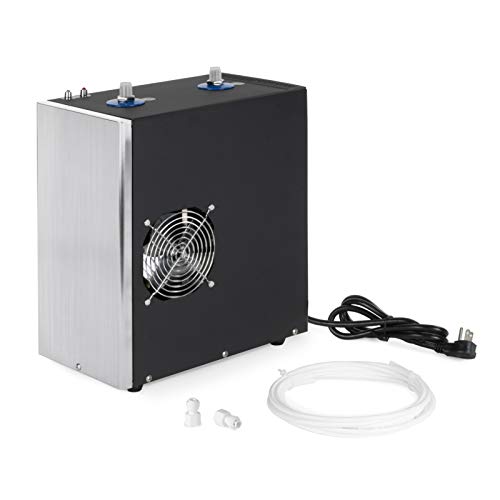
Best for: Home filtration enthusiasts who want cold filtered water on demand without altering their RO setup. Why chosen: it integrates with reverse osmosis systems and includes a ¼” quick-connect setup for straightforward installation. The built‑in cooling fan helps push colder output than standard water-cooling units. A dedicated tank stores about 1/3 gallon of cold water for quick dispensing. Caution: not designed for very large volumes or commercial-scale use; expect best results at typical home filtration flow rates.
AS ColdPlunge Ice Bath Chiller

Best for: Home wellness routines focusing on consistent cold therapy. Why chosen: maintains water near 42°F using a 1/3 HP compressor and includes a built‑in pump and metal filter for debris control. It is compatible with cold plunge tubs and standard bathtubs, expanding placement options. Caution: setup requires properly connecting inlet/outlet ports and ensuring compatible tub dimensions for best circulation.
EONIX 1/2HP Upgraded Cold Plunge Chiller

Best for: Larger cold plunge installations or higher volume cooling. Why chosen: a 1/2 HP compressor delivers stronger cooling and supports larger water volumes, up to around 132 gallons. It includes a built‑in filtration system with a circulation pump, and an LED touch screen plus remote control for precise temperature control. Caution: higher power draw; ensure electrical setup accommodates 110V and adequate space for the unit and hoses.
AKSDSGA 42Gal Aquarium Chiller

Best for: Moderately sized aquariums or hydroponics systems needing steady cooling. Why chosen: 1/10 HP capability with 270W cooling and a 47.27 gallon rating supports reliable temperature control for 68–78°F targets. It uses a durable titanium evaporator and includes a digital temperature probe for monitoring. Caution: rated cooling range and tank compatibility vary; confirm tank size and ambient conditions match the unit’s specifications.
Avalon High Capacity Chiller System
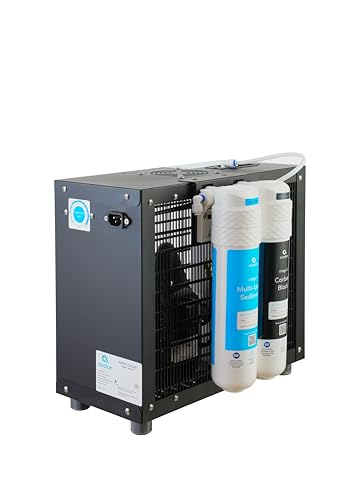
Best for: Under-counter cooling with dual filtration for filtered water systems. Why chosen: 10 liters per hour cooling capacity and a complete installation kit; dual filtration with sediment and carbon block filters supports long‑term water quality. Caution: installation complexity is higher due to plumbing and tubing routing under a counter; verify cabinet space and access for maintenance.
Buying Guide: Key Considerations And Comparisons
- Cooling capacity vs. volume: Higher HP or larger units suit bigger tubs or aquariums; smaller units fit compact filtration rigs.
- Integration: Look for compatibility with existing filtration systems or tubs; ¼” quick-connects simplify linkages.
- Filtration and maintenance: Built-in pumps and filters reduce upkeep, but check filter life, part availability, and cleaning needs.
- Power and installation: Ensure electrical compatibility (voltage, circuits) and available space for placement and ventilation.
- Temperature control: Precision controls (LED displays, remote) help maintain stable cooling; check setpoint range.
- Noise and vibration: Quiet operation matters in living spaces; consider installation location and mounting options.
- Durability and materials: Titanium evaporators and stainless components offer longevity in damp environments like aquariums and bathrooms.
Practical Buying Questions
- What size chiller do I need for a home gym cold plunge? Choose higher capacity (1/2 HP) if you plan on large tubs or frequent use to maintain consistent temps.
- Is a built-in filter important for a home aquarium chiller? Yes, a good filtration system helps keep debris out of the cooling loop and water clearer over time.
- Can I use a water chiller with a standard bathtub? Some models include a pump and adaptable fittings; verify inlet/outlet compatibility before purchase.
- Are these chillers energy efficient? Modern units emphasize energy efficiency, but larger models will consume more power; assess operating hours and coolant needs.
- What maintenance is required? Regularly inspect filters, hoses, and connections; rinse reusable filters and replace worn seals as needed.
- Will a chiller work with my under-sink installation? Certain models are designed for under-counter use with installation kits; confirm clearance and plumbing connections before buying.
Frequently Asked Questions
- What is a water-to-water chiller? It is a cooling unit that exchanges heat with a water circuit to lower the temperature of the water used in filters, tubs, or aquariums.
- Which chiller is best for cold therapy at home? Chillers with a dedicated pump, reliable temperature control, and a stable setpoint around 41–42°F are preferred for consistent cold therapy.
- Do these chillers require professional installation? Some can be installed by the user with basic plumbing; others may require professional help for plumbing and electrical connections.
- Can I reuse parts from different chillers? It’s best to use components specified by the manufacturer to ensure compatibility and safety.
- What maintenance should I plan for aquarium chillers? Regularly inspect fans, filters, and tubing; clean debris from the water path and verify seals and gaskets are intact.
- Are there safety considerations for home use? Ensure electrical outlets are properly grounded and keep units away from water splashes to prevent hazards.