Best Tank Water Heaters for Quick, on-Demand Hot Water
Homeowners and renters increasingly seek compact, efficient tank water heaters that place hot water exactly where it’s needed. This guide highlights five well‑matched tank-based options, including point‑of‑use units and small storage heaters, to help you compare installation needs, performance, and durability. Each pick is designed for under-sink, cabinet, or small-space setups while delivering reliable hot water for kitchens, bathrooms, laundry, and RVs.
Summary of Selected Products
- ThermoMate Tank Water Heater Electric, 18 Gallon – Point of Use, 125°F default, adjustable, UL Listed
- BOSCH Electric Mini-Tank Water Heater Tronic 3000 T, 2.5-Gallon – Under-sink compact design
- Nessxa 1.8 Gallon Electric Mini Tank Water Heater – Under-sink instant hot water
- VEVOR Electric Mini-Tank Water Heater, 4-Gallon – 1440W, stainless steel, safety valve
- Suburban Advantage RV Tank Water Heater SW6DE – 6 gallon, porcelain-lined with DSI and optional electric element
ThermoMate 18 Gallon Point Of Use Tank Water Heater

The ThermoMate 18 Gallon electric tank is designed for quick, localized hot water supply. The unit ships with a factory 125°F setting and allows adjustment from 90°F to 150°F via a built‑in thermostat. Its 25.5‑inch low‑profile form factor supports independent or inline installation, making it ideal for kitchens, bathrooms, RVs, boats, cabins, garages, and small shops. An INCOLOY‑800 heating element provides improved corrosion resistance and energy efficiency for longer life in demanding environments.
BOSCH Tronic 3000 T 2.5-Gallon Mini-Tank
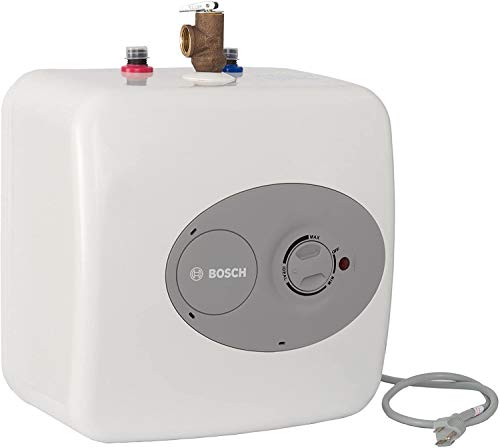
The Bosch Tronic 3000 T is a compact 2.5‑gallon point‑of‑use heater designed to sit under a sink. It delivers hot water where you need it with a 98% thermal efficiency rating and a 120‑volt, 12‑amp supply. Its glass‑lined tank offers durability, and the 36–37 inch cord enables flexible mounting options for independent installation or inline use with a larger hot water source. Its small footprint helps reduce wait times for hot water at the faucet, helping conserve water across daily tasks.
Nessxa 1.8 Gallon Electric Mini Tank Water Heater

The Nessxa 1.8‑gal mini tank provides instant hot water at the sink, reducing wait times and water waste. With a 110V, 1500W heating element, it offers adjustable temperature control and a compact under‑sink installation. The unit’s stainless steel interior and ABS exterior balance durability with safety, while its compact size supports wall or floor mounting in tight spaces common in kitchens, bathrooms, and laundry areas. Ideal for single‑fixture hot water supply with steady performance.
VEVOR 4-Gallon Mini-Tank Electric Water Heater

The VEVOR 4‑gallon mini tank delivers 1440W of heating power to quickly raise water temperature to a user‑selected level via a temperature control valve. Its 310S stainless steel tank resists corrosion and supports hot water delivery around the clock. A temperature‑pressure safety valve enhances safety by reducing scald risks and leaks. The compact size makes it suitable for under‑sink installs, small kitchens, bathrooms, or commercial settings requiring reliable hot water on demand.
Suburban Advantage RV Tank Water Heater SW6DE
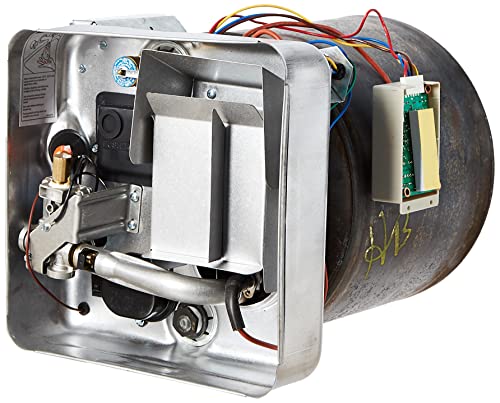
The Suburban SW6DE tank combines a porcelain‑lined steel tank with direct spark ignition (DSI) and an Incoloy electric element option. This 6‑gallon unit is built for lightweight RV and camper use, providing durable hot water with robust corrosion protection via a replaceable anode rod. The flexible power options let you heat water via campsite or generator power while maintaining reliable performance on the go. The combination of a durable tank and modern ignition features supports long‑term use in mobile or remote settings.
Buying Guide
Key purchase considerations
- Application and space: Choose a unit sized for under-sink, cabinet, or RV installation. Point‑of‑use mini tanks minimize wait times at a single fixture, while larger capacity tanks supply multiple uses.
- Volume and recovery rate: Higher gallon capacity means more simultaneous hot water use. For kitchens and baths with multiple fixtures, consider 4–6 gallon models or two smaller units in parallel.
- Temperature control: Look for adjustable thermostats to match comfort and energy goals. Default settings around 120–125°F are common; ensure safe operation with user‑adjustable ranges.
- Efficiency and materials: Glass‑lined or stainless steel tanks offer durability. Copper elements may be common, but corrosion‑resistant alloys such as INCOLOY can extend life in challenging environments.
- Installation flexibility: Cord length, venting needs, and the option for inline use with a larger water source affect where you can place the heater.
- Safety features: Temperature and pressure relief valves, high‑temperature cutoffs, and leakage protection help prevent accidents and water damage.
- Durability and warranty: Stainless steel interiors and corrosion protection contribute to longer life in high‑usage homes or mobile settings.
Performance perspectives
- Point‑of‑use units (like the Bosch Tronic or Nessxa mini tanks) excel at eliminating wait times for a single faucet and work well where space is tight.
- Medium to larger tanks (such as the 18‑gallon ThermoMate or Suburban 6‑gallon models) balance capacity with compact form factors for broader hot water coverage in kitchens, baths, and RVs.
- Material choices influence longevity in hard water areas; stainless steel and robust heating elements mitigate mineral buildup and corrosion.
- Electric models generally pair well with standard 120V circuits, but you should verify amperage requirements and electrical panel capacity during planning.
Installation and maintenance tips
- Plan for accessible service ports and drainage points to simplify maintenance and element replacement.
- Inspect anode rods and replacement intervals on corrosion‑resistant tanks to extend life.
- Follow manufacturer guidelines for flushes and descaling, especially in mineral-rich water areas.
- Consider a dedicated circuit and proper wiring to ensure consistent performance and safety.