Best Water Heaters for Solar Systems: Efficient Solar Heating Solutions
The following guide highlights five top options for solar-assisted water heating, drawing from a mix of reference guides, controllers, collectors, and expansion components. Each entry includes practical features to help you compare installation needs, compatibility, and long-term performance for homes and off-grid setups. Use the buying guide to weigh system integration, safety considerations, and maintenance needs across perspectives.
| Brand | Product | Key Feature |
|---|---|---|
| New Society Publishers | Solar Water Heating—Revised & Expanded Edition | Comprehensive guide for solar water and space heating systems |
| MISOL | 110V Controller for Solar Water Heater | Controls a single collector array with sensors |
| MISOL | Solar Collector with 10 Evacuated Tubes | Heat pipe vacuum tubes for efficient solar collection |
| LOKLNEYK | SR208C Wi‑Fi Solar Controller | Wi‑Fi app control with safety and scheduling features |
| oiununo | Potable Thermal Expansion Tank 1 Gallon | Food-grade materials and high pressure tolerance |
Solar Water Heating—Revised & Expanded Edition

The revised edition from New Society Publishers serves as a foundational reference for households and small projects integrating solar heating. It covers solar water and space heating systems, explaining design considerations, system components, and practical implementation. The book is suitable for DIY enthusiasts and professionals seeking a broad, practical overview of solar thermal principles, safety, and optimization strategies for residential settings.
Key topics include system types, collector selection, storage strategies, and performance enhancements. Readers can apply the guidance to determine appropriate collector arrays, piping layouts, and integration with existing water heating equipment. While it emphasizes theory and planning, the edition also offers actionable guidance for real-world installations, making it a strong companion to hands-on components like controllers and collectors.
Productivity notes
- Reference material for system planning and troubleshooting
- Useful for evaluating solar thermal potential in homes and small facilities
- Complementary to controller and collector products listed in this article
MISOL 110V Controller For Solar Water Heater

Designed for separated pressurized solar hot water systems, this 110V controller supports a single collector array, one storage tank, one pump, and auxiliary heating. Its compact footprint (approximately 187mm by 128mm by 46mm) includes three temperature sensors (PT1000 and two NTC 10K). The unit aims to simplify temperature management and safety in solar thermal configurations, making it a practical option for small to mid-size solar hot water installations.
Installation considerations include compatibility with your existing storage tank, pump, and sensor wiring. The controller’s sensor array supports basic monitoring and control, which can help stabilize temperatures and reduce overheating risk. For retrofit projects, verify electrical compatibility and ensure proper enclosure protection in outdoor or damp environments.
MISOL Solar Collector With 10 Evacuated Tubes

This solar collector features 10 evacuated tubes with heat pipe vacuum technology. The outer shell is constructed from aluminum alloy and incorporates a rock-wool insulating layer, designed to minimize heat loss and maximize efficiency in sunny climates. The system is suited for integration with solar hot water setups that use a separate storage tank and pump, contributing to a more responsive solar heating loop.
When planning installation, consider tube length, density, and mounting orientation to optimize heat capture. Weather resistance and mounting hardware are important for outdoor deployments. This collector is best paired with a compatible controller and storage system to manage circulating water temperatures and prevent overheating during peak sun exposure.
SR208C Wi‑Fi Solar Controller

The SR208C Wi‑Fi version provides automation features for solar system loads, tank heating, and tube collector operations with cooling shutdown. Features include automatic ignition control for safe startup, multi-scenario scheduling for different usage windows, and protection against water pressure fluctuations via a dual steady-flow valve and a flow sensor. This controller is suitable for homeowners seeking remote monitoring and more precise scheduling of hot water usage.
Implementation notes include ensuring reliable Wi‑Fi connectivity and pairing with compatible tank and solar loop components. The controller’s safety features can enhance reliability in variable weather, but a robust enclosure and proper wiring are essential for long-term dependability in outdoor installations.
Potable Thermal Expansion Tank 1 Gallon

This compact expansion tank is designed for potable water systems and solar thermal installations. It features a dual O‑ring leak-resistant air valve to reduce pressure loss and leakage. Constructed with food-grade 304 stainless steel and EPDM diaphragm, the unit is compatible with drinking water systems and designed to tolerate daily temperature and pressure fluctuations.
Key considerations include operating pressure limits, tank diaphragm life, and proper installation orientation with your solar loop. The heavy-walled body provides resistance to cycling while maintaining safety margins in residential or RV-based solar applications. Regular inspection of seals and diaphragms helps prevent warranty concerns and water hammer issues in solar heating layouts.
XtremepowerUS Pool Solar Panel System
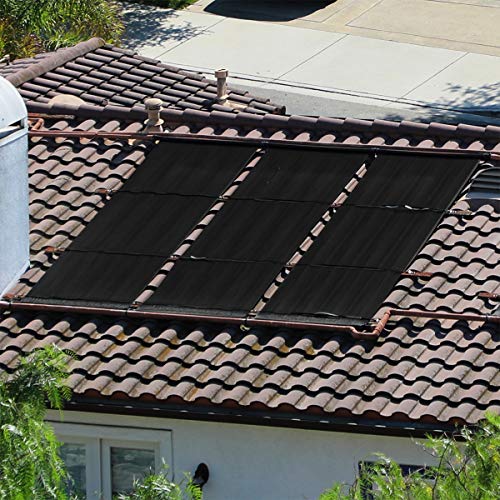
The XtremepowerUS DIY solar panel system is designed for pool heating, with a 4′ by 20′ layout suitable for in-ground or above-ground installations. Made from UV-resistant polypropylene, the panels resist sun damage and provide a scalable heating solution for pool water. While designed for pools, the technology demonstrates the same solar principles used in domestic water heating systems.
When applying these panels to home solar water heating, consider how pool panel geometry and flow rates translate to domestic hot water loops. Pair with a compatible pump and storage plan to regulate water temperature for household use, and account for potential system pressures and seasonal weather changes in your design.
Doheny’s Solar Heating Systems For Pools
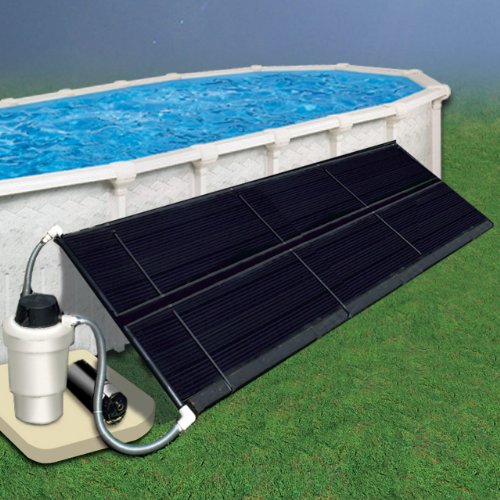
These above-ground solar heating kits are tailored for pool applications but illustrate scalable solar panel concepts. They emphasize eco-friendly operation, roof or ground mounting options, and multiple panel kit sizes to suit different pool dimensions and heating goals. For domestic solar water heating, the pool kits offer a reference for panel integration, mounting layouts, and energy capture strategies applicable to home systems.
Considerations include kit size relative to your solar loop and storage capacity. Proper installation to maximize sun exposure, along with weatherproofing and compliant piping, is essential for a durable solar thermal setup in residential contexts.
VINGLI 3-Piece Solar Pool Heater Set

The VINGLI 3-piece set includes high-efficiency solar panels designed for above-ground and in-ground pools, using 8 ft by 16 in panels. The system emphasizes rapid heating, with a focus on maximizing heat absorption using 100% free solar energy. The panels use UV-resistant plastic to withstand sun exposure and pool chemicals, supporting durability and long service life.
For home solar water heating, this design demonstrates how modular panel arrays can be scaled to meet hot water needs. Ensure compatibility with your circulation pump, plumbing fittings, and storage vessel. Consider climate and pool usage when assessing similar solar heat capture strategies for house-level water heating systems.
Buying Guide: Key Purchase Considerations
- System type and compatibility: Match collectors, controllers, and storage tanks to your climate, household hot water demand, and existing plumbing.
- Controller features: Look for safety functions, scheduling, and remote monitoring. Wi‑Fi enabled models offer convenience but require reliable connectivity.
- Thermal efficiency: Evacuated tube collectors and well-insulated tanks reduce losses. Consider insulation, material quality, and mounting orientation.
- Durability and materials: Food-grade components and corrosion-resistant metals improve longevity, especially in potable water lines.
- Safety and compliance: Ensure correct pressure ratings, expansion management, and proper venting or ignition controls for fuel-assisted or staged heating.
- Installation considerations: Evaluate required space, mounting options (roof vs. ground), and weatherproof enclosures. Plan for electrical integration where applicable.
- Maintenance: Regular inspections of seals, diaphragms, sensors, and valves help prevent leaks and performance drops.
- Cost vs. benefits: Weigh upfront hardware costs against long-term energy savings and potential incentives or rebates in your area.
- Scalability: Modular components enable phased upgrades or system expansion as hot water demand grows.
- System integration with existing water heaters: Ensure compatibility with your current heater’s operating temperatures and safety shutoffs.