Best Water Cooling PC Case Options for High-Performance Builds
The right water cooling PC case can unlock extreme thermals, stunning aesthetics, and flexible installation for radiators up to 360mm. Below are five top choices that balance airflow, build ease, and expandability for American gamers and DIY enthusiasts. Each product is evaluated for radiator support, airflow design, and overall compatibility with high-end cooling loops.
Summary Table of Chosen Products
- DarkFlash DS900 Black: 270° panoramic tempered glass, four PWM ARGB fans, supports up to 360mm radiators
- Cooler Master TD500 Mesh V2: polygonal mesh front, triple ARGB fans, USB Type-C, strong airflow
- MSI MAG Forge 321R: high airflow layout, ARGB fans, supports up to 360mm radiators
- Cooler Master HAF 700 EVO: large, high-airflow design with extensive I/O and 200mm fans
- Thermaltake Core W200: dual-system capability, modular and stackable, XL-ATX ready
Note: All sections below reference product features and design intent for water cooling enthusiasts. Images and links point to official product pages for visual confirmation and compatibility checks.
DarkFlash DS900 Black Water Cooling Case

The DS900 blends a panoramic 270° tempered glass view with robust cooling capability. It ships with four PWM ARGB fans to optimize airflow and heat dissipation while supporting radiators up to 360mm. The design highlights a high-strength tempered glass panel for an expansive view of internal components and RGB lighting. An upgraded high-speed IO panel with USB 3.0 and Type-C ensures modern connectivity. Note: the RGB hub controller is not included, so users can attach their own lighting control system if desired. The case is built to keep components cool during intense gaming sessions, allowing the full potential of high-end GPUs and CPUs when paired with a capable water cooling loop.
Cooler Master TD500 Mesh V2

The TD500 Mesh V2 emphasizes airflow with a polygonal Mesh front panel and a Crystalline tempered glass side. It ships with three customizable 120mm PWM ARGB fans and provides a USB 3.2 Gen 2 Type-C I/O port for fast data transfers. Its design facilitates mounting large radiators and ensures robust airflow paths to maintain cool temperatures for CPUs and GPUs in water-cooled builds. The case supports high-end cooling configurations and offers flexible interior space for expansion, making it a strong option for enthusiasts aiming to maximize radiator size and fan count.
MSI MAG Forge 321R Airflow

The MSI MAG Forge 321R focuses on optimized airflow with a chassis designed to host multiple fans and radiators. It supports up to 360mm radiators, includes ARGB fans for vibrant lighting, and integrates an LED control ecosystem that offers flexible decoration options for the gaming rig. This case aims to deliver stable thermals while providing a modern aesthetic for ARGB-driven builds. Its layout is favorable for water cooling loops that require ample space for radiator placement and tubing routing.
Cooler Master HAF 700 EVO

The HAF 700 EVO is Cooler Master’s flagship high-airflow chassis, designed for extreme cooling and DIY flexibility. It ships with large 200mm fans, versatile front panel options, and extensive I/O including USB 3.2 Gen 2 Type-C. The case emphasizes airflow efficiency and modularity, enabling complex water-cooled builds with multiple radiators across different zones. Its robust construction and open interior layout support XL-ATX and high-performance components, making it suitable for multi-radiator loops and advanced component layouts.
Thermaltake Core W200 Dual System Case
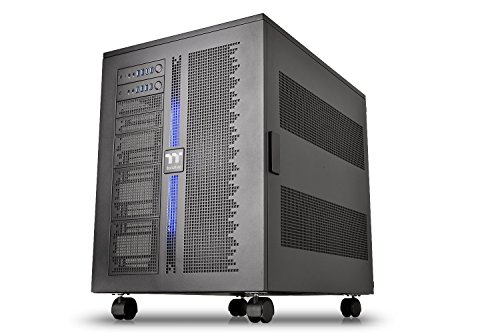
The Core W200 is designed for dual-system setups and extreme water cooling possibilities. It is a fully modular and stackable XL-ATX chassis that can accommodate two separate builds side-by-side. This configuration is ideal for enthusiasts who want to run separate CPU/GPU loops or independent cooling zones while maintaining a clean front-to-back flow. The dual-system capability, combined with its fully modular design, offers significant customization potential for complex cooling plans and expansive radiators.
Buying Guide: Key Purchase Considerations
When choosing a water cooling PC case, consider the following factors to ensure a build that matches performance goals and space constraints. This guide presents multiple perspectives to help compare options.
- Radiator Compatibility: Verify maximum radiator size and number of radiators the case supports. For aggressive water cooling, look for cases that support 360mm radiators in at least one position, with additional support for 240mm or 280mm as needed.
- Airflow vs Aesthetics: Tempered glass panels deliver visuals but can trap heat if airflow design is weak. Favor cases with mesh fronts, multiple fan mounting positions, and unobstructed airflow paths to maximize cooling efficiency.
- Cable Management and IO: A high-quality I/O panel (USB-C, USB 3.x) and clean cable routing options reduce clutter and improve thermals. Ample cable grommets and PSU shrouds help maintain a tidy build.
- Modularity and Expansion: Cases like the Core W200 offer dual-system flexibility, while others provide modular drive cages and removable panels. Consider future upgrades and space for larger GPUs or custom loops.
- Glass vs Noise: Large tempered glass panels look stunning but can impact noise containment. Balanced designs with sound-dampening options and strategic fan placement help manage acoustics.
- Ease of Assembly: Check tool-less drive bays, pre-installed fans, and clear tubing routes. Easier assembly reduces the risk of kinking tubing and improves overall reliability.
- Maintenance and Cleaning: Dust filtration and accessible panels simplify maintenance. Consider cases with removable dust filters and easy fan access for cleaning.
- Build Aesthetics: ARGB lighting, panel design, and overall style should align with your gaming rig’s theme. Ensure RGB control compatibility with your motherboard or lighting hub.
These factors help compare the five highlighted models and identify the best match for your cooling goals, space, and aesthetic preferences. Always verify the current product specifications on the retailer page to ensure radiator size, clearance, and component compatibility align with your planned build.