Best Waste Oil Burner Heaters for Garages and Workshops in 2026
When choosing a waste oil burner heater, you want a model that reliably converts used fluids into efficient heat, fits your space, and operates safely. This guide highlights five practical options for American buyers seeking off-grid, cost-saving heating and even cooking capabilities. Each product is evaluated for who it’s best for, its standout features, and any important limitations. The top picks include heavy-duty garage units for auto shops, off-grid stove solutions, and versatile multi-fuel burners suitable for workshops, warehouses, and farms. A quick summary table follows to help you compare at a glance.
| Product | Best For | Key Benefit |
|---|---|---|
| Dinithron DC 12V Waste Oil Burner & Heater | Garage or workshop operators seeking high efficiency | Strong waste oil heating with rugged construction |
| Waste Oil Burner Stove with Blower Fan & Speed Controller (B) | Smaller workshops needing fast heat and off-grid capability | Up to 50,000 BTU and broad fuel compatibility |
| Waste Oil Burner Indoors Smokeless Wagon | Indoor setups prioritizing low smoke and odor | Smokeless operation with multiple space options |
| Waste Oil Burner Stove Heating Furnace Cooking Tool (A) | Hobby shops and multi-use spaces | Dual heating and cooking capabilities |
| Waste Oil Burner 15 kW for Wood Stoves | Budget-conscious facilities needing solid heat | High heat output with simple installation |
Dinithron DC 12V Waste Oil Burner & Heater
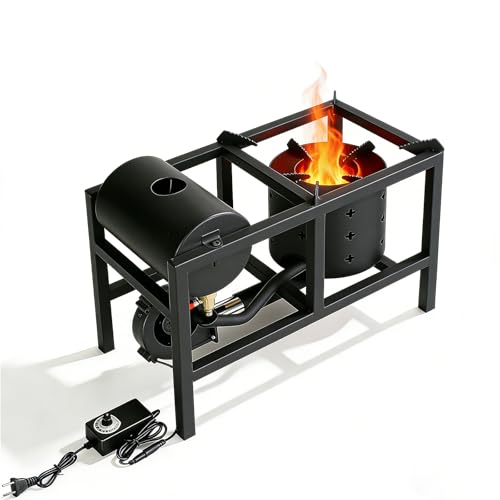
Best for heavy-duty garage use, this unit is designed to burn used motor oil, hydraulic oil, and transmission fluid with high efficiency. It uses a robust steel frame to withstand demanding environments and aims to lower heating costs for auto shops and workshops. The focus is on reliable, consistent heat that supports long shifts and off-grid operation when needed. It’s a solid pick for professional spaces where waste oil management and steady warmth matter most.
Who it’s best for: professional garages, auto shops, and homesteads that need a durable, high-efficiency waste oil heater. Why selected: it combines heavy-duty construction with a practical waste-oil-to-heat approach. Limitation: exact fuel compatibility may vary by batch or local oil composition; verify waste oil types locally before purchase.
Waste Oil Burner Stove with Blower Fan & Speed Controller (B)

Best for mid-sized garages and workshops that want rapid heat and off-grid flexibility, this model delivers up to 50,000 BTU and is compatible with several waste oil types. It heats efficiently enough to credential it as a primary source in a 500 sq ft space, with a design emphasis on faster warm-up and lower ongoing costs compared to kerosene. The blower and speed controller offer adjustable comfort levels, making it suitable for varying winter loads.
Who it’s best for: workshop operators needing quick warmth and broad fuel options. Why selected: strong heat output with practical controls. Limitation: heavier for smaller spaces and may require ventilation considerations in enclosed areas.
Waste Oil Burner Indoors Smokeless Waste Oil Heater Furnace

Best for indoor use where odor and smoke are a concern, this unit emphasizes smokeless operation with the ability to cover up to 20㎡/50㎡/100㎡ areas, making it versatile for garages, workshops, warehouses, and camping setups. It supports multiple waste oil types and promises economical heat with reduced odors after startup.
Who it’s best for: indoor spaces with ventilation constraints or odor sensitivity. Why selected: smokeless design improves indoor air quality perception. Limitation: odor may occur during initial ignition, so allow for initial ventilation.
CDZHLTG Waste Oil Burner Heater AC 110V

Best for outdoor and semi-outdoor heating with a focus on durable, heavy-duty construction, this stove-type burner is designed for garages, workshops, and warehouses. It emphasizes quick setup and robust performance, making it a practical choice for clubs or groups that need dependable off-grid cooking and heating capabilities. The cast-iron burner head and protective coating support long-term outdoor use.
Who it’s best for: groups or businesses performing outdoor events or extended outdoor work. Why selected: rugged build with safety-minded design. Limitation: 110V operation requires a power source; may not suit fully off-grid sites without power backups.
DC 12V Waste Oil Burner with Blower (18cm)

Best for farm sheds and portable setups, this burner emphasizes strong heating output in a compact, lightweight package. It supports off-grid use via 12V power and a durable frame designed for long life. It’s a practical choice for seasonal farming needs, sheds, or remote workshops where simple maintenance and robust performance are valued.
Who it’s best for: small farms, home sheds, and portable workshop sites needing dependable heating. Why selected: portable, durable, and designed for off-grid operation. Limitation: power supply dependence means performance hinges on reliable 12V supply and battery considerations.
Buying Guide: Waste Oil Burner Heaters
- Fuel flexibility: Look for burner’s ability to handle engine oil, hydraulic oil, gear oil, and transmission fluids. Wider fuel compatibility reduces waste-disposal costs and increases usable fuel options.
- Heat output and space coverage: Compare BTU or kW ratings and the recommended space size. Choose a model that matches your garage, workshop, or warehouse square footage plus ceiling height for optimal heat distribution.
- Ventilation and odor control: Indoor installations should prioritize smokeless or low-odor operation. Consider models with sealed combustion chambers or effective exhaust management to maintain indoor air quality.
- Durability versus weight: Heavier, sturdier units (steel or cast iron) often last longer in demanding environments, but weigh more and may be less portable. Lighter models suit temporary or remote locations but may require more frequent maintenance.
- Power and ignition: For off-grid use, prefer DC or 12V systems with reliable ignition. For powered spaces, AC 110V models can deliver higher output, but require a steady power source.
- Safety features: Look for protective coatings, double-wall designs, and temperature controls that keep exterior surfaces safe under heavy operation. Ensure proper clearance from combustibles and safe installation guidelines.
- Maintenance and accessibility: Check for easy cleaning, accessible fuel lines, and straightforward replacement parts. Burners with modular components simplify service life and downtime.
FAQ
- Can I use waste oil in these burners indoors? Yes, but prioritize models designed for smokeless or low-odor operation and ensure proper ventilation according to local codes.
- What fuels are compatible with typical waste oil burners? Engine oil, hydraulic oil, gear oil, transmission fluid, and similar waste oils; some units tolerate other non-water-based oils.
- Is installation difficult? Many units are designed for straightforward installation, but follow manufacturer guidance for venting, clearances, and electrical connections.
- Are these units suitable for off-grid use? Several models support 12V or DC operation, making them usable with solar or battery systems, depending on power needs.
- What maintenance is required? Regular cleaning, inspecting seals and gaskets, and ensuring safe fuel handling helps sustain performance and safety.
- What space size should I expect? Check product specs for recommended coverage; larger spaces require higher BTU/kW ratings and may need supplemental or backup heating.