Best Wall Mount Solar Battery Solutions for Home Backup and Off-Grid Power
Answering the needs of homeowners seeking compact, high-capacity storage for backup power and solar systems, these wall-mount lithium iron phosphate (LiFePO4) batteries and kits deliver reliable energy when you need it most. This guide highlights top options for different buyers: a heavy-duty home backup station for whole-house resilience, space-saving wall-mounted packs for compact installations, and versatile BMS-enabled systems for expandable setups. Each entry notes who it’s best for and why, with practical considerations to help you choose confidently.
| Product | Brand | Best For | Key Benefit |
|---|---|---|---|
| ECO-WORTHY Home Power Backup Station | ECO-WORTHY | Home backup and high-load appliances | High power output (up to 5000W) with parallel expansion for up to 30kW |
| EconomiPower 48V 200Ah Wall-Mount Battery | EconomiPower | Scalable energy storage for larger off-grid needs | Up to 15 in parallel for large storage; 10kWh per unit |
| ECO-WORTHY 48V 100Ah Wall-Mount | ECO-WORTHY | Small to mid-sized off-grid or backup systems | Wall or floor installation with conduit box and WiFi/Bluetooth |
| VATRER POWER 48V 100Ah LiFePO4 Battery | VATRER POWER | Smart, monitored wall-mount storage | Built-in 100A BMS with touch monitoring |
| DATOUBOSS 48V 314Ah LiFePO4 Battery | DATOUBOSS | High-capacity backup and off-grid systems | Large capacity with 210A BMS and full comms |
ECO-WORTHY Home Power Backup Station
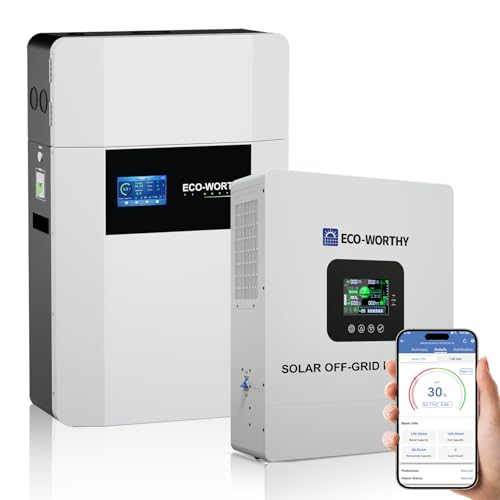
This 5120Wh, 48V 100Ah wall-mount LiFePO4 battery forms part of a home power station with a 5000W inverter charger. It supports 120V output and can be paralleled with multiple units for expanded AC capacity. For buyers needing a robust, scalable backup system, this unit is best for powering essential loads during outages or for integration into larger solar-plus-storage configurations. Caution: batteries ship separately, with conduit box timing noted in the product details.
Who it’s best for: homeowners seeking strong, scalable backup power for essential appliances and the option to scale up to 30kW with additional inverters. Why chosen: high inverter capacity and unlockable expansion align with serious resilience goals. Considerations: ensure parallel wiring is available and compliant with local electrical codes.
Key features at a glance
- 5000W inverter charger with multiple output modes
- Parallel up to 32 batteries to unlock 163.84KWh storage
- LiFePO4 chemistry with low-temp support down to -4℉
- Conduit box included; Bluetooth & WiFi connectivity
EconomiPower 48V 200Ah Wall-Mount Battery

Space-saving design with 10kWh per unit and scalable up to 15 in parallel. This makes it well-suited for RVs, tiny homes, or small stationary off-grid systems needing reliable energy storage without occupying floor space. The LiFePO4 chemistry delivers stable performance and safety, with a built-in BMS ensuring protection in diverse operating conditions.
Who it’s best for: buyers planning moderate-to-large off-grid storage or emergency power for compact living spaces. Why chosen: a strong balance of capacity, wall-mount convenience, and scalable architecture. Caution: parallel expansion requires compatible inverters and proper wiring to maintain safety and performance.
Key features at a glance
- 10kWh per unit, scalable with up to 15 batteries
- Wall-mountable with adjustable feet and brackets
- LiFePO4 chemistry, high safety and long cycle life
- Smart protection and multi-battery expansion potential
ECO-WORTHY 48V 100Ah Wall-Mount Battery

This indoor LiFePO4 option emphasizes flexible mounting and smart protection. With low-temperature operability and a conduit box, it suits homes that need a neat, install-ready energy storage solution. It’s designed for off-grid and backup use, offering reliable performance with built-in protections and easy integration into existing systems.
Who it’s best for: homeowners seeking a compact, resilient wall-mount battery for moderate backup and off-grid setups. Why chosen: compact footprint, WiFi/Bluetooth connectivity, and robust safety features. Caution: ensure enough space for venting and service access in denser installations.
VATRER POWER 48V 100Ah LiFePO4 Battery

Equipped with a built-in 100A BMS and a touch monitor, this battery emphasizes user-friendly monitoring and protection. It supports expansion and is compatible with most inverters, making it a practical choice for buyers who want clear SOC visibility and scalable storage for off-grid needs.
Who it’s best for: users who value real-time monitoring and straightforward expandability in a wall-mounted pack. Why chosen: the touch display and comprehensive BMS provide convenient oversight. Caution: verify inverter compatibility for seamless integration with your system.
DATOUBOSS 48V 314Ah LiFePO4 Battery

With 16.07kWh of usable capacity and a robust 210A BMS, this floor/wall-mount battery targets large backup or off-grid installations. It provides advanced communication interfaces (CAN, RS485) for integration with Growatt, Victron, SMA, and other brands, aiding systems that require remote monitoring and control. It’s a strong choice for long-duration storage and high-load scenarios.
Who it’s best for: buyers building sizable off-grid or backup systems that need high capacity and versatile connectivity. Why chosen: a high energy density package and broad compatibility with popular inverters. Caution: ensure adequate mounting space and appropriate electrical clearances for safety.
Buying Guide
What matters most in a wall-mount solar battery?
Capacity vs. footprint: balance your daily energy needs with the wall space available. LiFePO4 chemistry offers long cycle life and safer thermal behavior, but capacity dictates how many days of autonomy you gain during outages.
How to plan expansion
Look for systems that support parallel or series configurations and compatible BMS. Consider how many additional packs you may need in the future and whether the inverter can scale accordingly. Always confirm wiring and code compliance for expansions.
Installation and monitoring
Wall-mount units with conduit boxes reduce wiring clutter. Battery management systems (BMS) and on-device displays help monitor voltage, SOC, and temperature. Wireless connectivity (Bluetooth/WiFi) enables remote monitoring from mobile devices.
Inverter compatibility
Ensure the battery is designed to work with your inverter or solar charge controller. Some units specify broad inverter compatibility; others require specific brands or communication protocols (CAN, RS485, etc.).
Choosing the right product family
- High-capacity, floor-to-wall kits are ideal for whole-house backup and serious off-grid needs.
- Compact wall-mount packs suit apartments, small houses, or RV setups where space is at a premium.
- Smart, monitored batteries help non-technical homeowners manage energy use with ease.
Practical checklist
- Power needs: essential circuits vs. whole-house load
- Space constraints: wall vs. floor installation
- Expansion plan: future storage capacity
- Safety features: BMS protections, overcurrent, temperature thresholds
- Connectivity: monitoring apps and alerts
FAQ
- What is LiFePO4, and why choose it for a wall-mount battery?
Answer: LiFePO4 offers long cycle life, stable chemistry, and improved safety, making it a common choice for home energy storage. - Can these batteries be expanded later?
- Do wall-mount batteries require professional installation?
- Which unit is best for RVs or tiny homes?
- Is wireless monitoring necessary?
- What safety features should I look for?
Answer: Many models support parallel expansion with compatible inverters and BMS; check the manufacturer’s expansion limits.
Answer: Electrical installations should comply with local codes; professional installation is recommended for safety and warranty considerations.
Answer: Space-saving wall-mount options with moderate capacity are typically ideal for mobile or compact living spaces.
Answer: It enhances ease of use and upkeep, especially for off-grid setups or multi-battery configurations.
Answer: A robust BMS, overcurrent protection, short-circuit prevention, and low-temperature tolerance are key.