Best Wall Carbon Monoxide Detectors for Home and Travel Safety
Answering the question: which wall carbon monoxide detector best fits your needs? This guide highlights five reliable options, focusing on ease of installation, battery backups, and clear alerts. Ideal buyers include frequent travelers needing portable or plug-in units, households requiring dependable 24/7 monitoring, and renters who prefer battery-backed or rotating-plug designs. Below is a quick summary table of the selected products to help you compare features at a glance.
| Product | Type | Power | Alarm | Best For |
|---|---|---|---|---|
| Kidde Carbon Monoxide Detector, AA Battery Powered | Portable / Wall | 2 AA batteries | 85 dB | Travelers and small spaces |
| First Alert CO606, Plug-In with Battery Backup | Plug-In | 120V + Battery Backup | 85 dB | Home with multiple outlets |
| Kidde Carbon Monoxide Detector, Plug-In with 9V Battery Backup | Plug-In | 120V + 9V backup | 85 dB | Homes needing robust outage protection |
| Kidde Carbon Monoxide Detector, Plug-In with AA Battery Backup (5th Edition) | Plug-In | 120V + 2 AA backup | 85 dB | Travel-friendly and home use |
| First Alert CO400 Carbon Monoxide Detector | Battery Operated | Battery powered | 85 dB | Areas without reliable power |
Kidde AA Battery Portable CO Detector
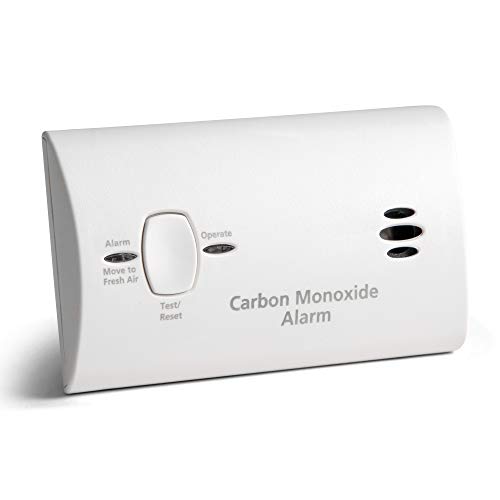
Best for travelers or small rooms, this detector uses an electrochemical sensor for CO detection and runs on 2 AA batteries. It supports wall mounting or tabletop placement, and its green LED shows power while the 85 dB alarm signals danger. The unit remains functional during power failures due to battery operation. Choose this if you need a lightweight, portable CO detector with no wiring requirements. Caution: battery life affects continuous monitoring, so replacement is essential for long-term use.
First Alert CO606 Plug-In Alarm with Battery Backup
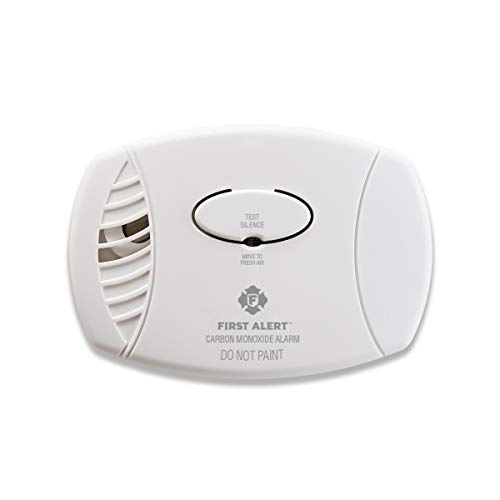
Best for homes with standard outlets and multi-room coverage, this plug-in CO detector includes a battery backup for outages. It uses an advanced electrochemical sensor for reliable detection and features a simple test/silence button with an 85 dB alarm. It’s well-suited for households needing continuous monitoring with minimal maintenance. Limitation: the unit relies on home power, so battery backup is crucial for uninterrupted protection during outages.
Kidde Digital Display Plug-In CO Detector

Best for tech-friendly monitoring, this plug-in device offers a 9V backup and an LED display showing CO levels. The rotating plug supports vertical or horizontal outlets, and its backlit display helps quick status checks in dim rooms. This model is ideal when you want a clear readout of CO levels at a glance. Caution: display visibility depends on lighting; ensure placement where the screen remains legible.
Kidde AA Battery Backup Plug-In CO Detector (5th Edition COP)

Best for users seeking a travel-ready yet reliable home detector, this model combines plug-in convenience with AA battery backup. It features a rotating plug, LED status light, and a loud 85 dB alarm. It is suitable for apartments or vacation rentals where power reliability is variable. Limitation: some users may prefer a display readout for ongoing CO level monitoring.
First Alert CO400 Battery Operated Detector
Best for areas without reliable power, this battery-operated model ensures continuous CO monitoring even during outages. It uses an electrochemical sensor and emits a clear 85 dB alarm when CO is detected. Ideal for standalone rooms or spaces that lack hard-wired detectors. Caution: battery maintenance is essential to ensure ongoing protection.
Buying Guide: Choosing The Right Wall CO Detector
Power Source And Backups
Consider whether you need battery-only, plug-in with battery backup, or a combination. Battery-backed models stay active during outages, while plug-in units can offer continuous monitoring with a power-connected setup. For households with frequent outages, prioritize models with reliable backup power.
Sensor Type And Sensitivity
Most units use electrochemical sensors for CO detection. Look for models with clear indicator LEDs and a test button to verify operation. Greater sensitivity helps detect dangerous CO levels quickly, but ensure the unit meets local safety standards.
Placement And Coverage
Choose detectors with rotating plugs or wall-mount options to fit kitchen, bedroom, or living spaces. For multi-room safety, consider a combination of plug-in units in common areas and battery-operated units in rooms without outlets.
Alerts And Readouts
Some models include a digital display showing CO levels, which can aid in assessing urgency. If you prefer simple alerts, a loud siren and LED indicators may suffice. Consider whether a backlit display or audible alert is more important in your home environment.
Durability And Maintenance
Plan for battery replacement schedules and check for low-battery alerts. Models designed for travel or rental properties should emphasize portability and easy replacement parts. Avoid units with frequent false alarms by selecting certified detectors with electrochemical sensors.
Travel Versus Home Use
For travel or short-term stays, portable or compact plug-in detectors are advantageous. For permanent home use, wall-mounted or hardwired options with backups offer robust protection with fewer maintenance hassles.
Installation Ease
Plug-in detectors are typically easiest to install—no wiring needed. Battery-powered models are portable and can be moved between rooms. If renting, ensure you can use removable wall mounts or tabletop placement without damaging walls.
FAQ: Quick Answers For CO Detector Buyers
- Do I need a CO detector with a battery backup? Yes. Battery backup ensures protection during power outages when CO levels may still pose a danger.
- Is a digital CO display important? A digital display can help you monitor CO levels at a glance, but it’s not essential for safety if the alarm is loud and reliable.
- Where should I place a CO detector? Place detectors on every sleeping floor, in or near sleeping areas, and in rooms with fuel-burning appliances. Avoid kitchens and humid areas where false alarms are more likely.
- How often should I test my CO detector? Test monthly and replace the unit according to manufacturer recommendations to ensure ongoing protection.
- Can I use multiple CO detectors in one home? Yes. Use multiple detectors on every level for comprehensive coverage, especially near bedrooms and living areas.
- What if the detector chirps but CO levels are low? Low-battery chirps typically indicate the battery needs replacement; replace batteries and retest the unit.