Best Vertical Float Switch Sump Pumps for Auto Drainage
Whether you’re protecting a basement, crawlspace, or utility room, a vertical float switch sump pump helps keep water at bay with automatic operation. This guide highlights five reliable options, explains who they’re best for, and points out practical considerations. Ideal buyers include homeowners seeking hands-free basement drainage, pool or garden pond users needing straightforward auto-pumps, and DIY enthusiasts replacing worn-out switches.
Quick reference table of selected products
| Product | Best For | Key Benefit |
|---|---|---|
| FLUENTPOWER Vertical Mechanical Float Switch | Automatic sump or effluent pumps | 10 ft cord, universal replacement |
| Sump Pump with Vertical Float Switch (FLUENTPOWER) | General purpose home basements | Automatic on/off, piggy-back plug |
| LANCHEZ Integrated Vertical Float Switch | Durable, high-flow basements | Heavy-duty cast iron/stainless build |
| PumpSpy Vertical Float Switch | Easy replacement, reliable cycles | Up to 1 million cycles |
| WAYNE CDU800 CDU790 Series | Basements with heavy use | Cast iron with vertical float |
FLUENTPOWER Vertical Mechanical Float Switch

Best for converting manual pumps into automatic units. This vertical switch comes with a 10-foot cord and a piggyback plug, plus a mounting bracket and clamps for versatile installation. It suits submersible sump pumps, sewage, and effluent pumps, especially when upgrading an existing setup to hands-free operation. The switch activates as water rises and stops once the basin empties, reducing the need for manual intervention.
Best for: basements or sump basins needing a straightforward automatic upgrade. Better for: replacing a universal pump switch in FLUENTPOWER or similar models. Caution: ensure compatibility with your specific pump model to avoid mounting or electrical fit issues.
Sump Pump with Vertical Float Switch
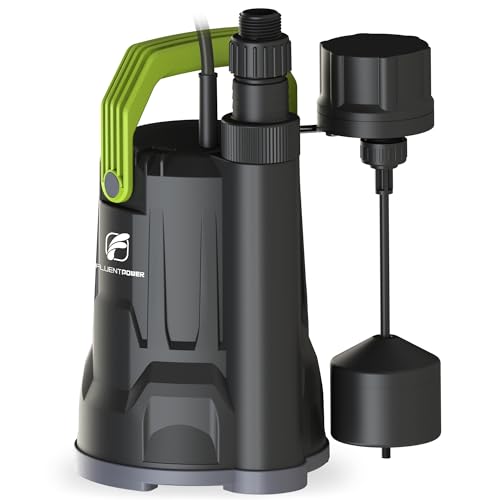
Best for medium-to-large basements or ponds requiring a robust 3/4 HP pump. This unit delivers up to 3,000 GPH and can lift water up to 26 feet, with a 10-foot cord and automatic operation via vertical float switch. Its portability and 1/5″ solids handling make it a strong all-around option for general drainage tasks.
Best for: DIYers needing strong daily drainage in homes or pools. Better for: sites that require higher lift height. Caution: check pit dimensions to ensure a 12″ x 12″ base minimum is available for safe operation.
LANCHEZ 1/2 HP Submersible Sump Pump with Integrated Float
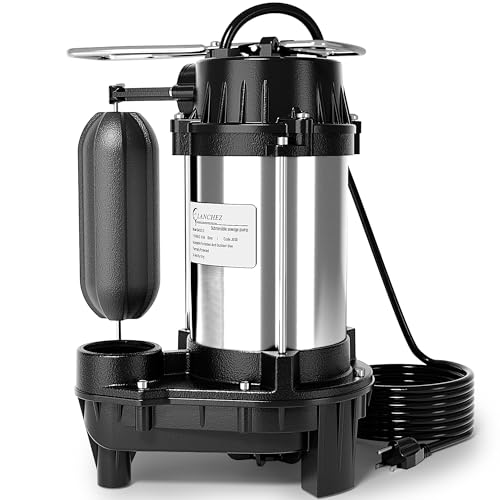
Best for heavy-use basements or sewage/effluent contexts. It features a built-in vertical float switch and a robust 1/2 HP PSC motor capable of around 5,200 GPH with a 26-foot lift. The housing uses cast iron and stainless steel for durability, plus built-in thermal protection to guard against dry running. It’s a strong, long-term choice for challenging water removal tasks.
Best for: long-term durability and high-flow needs. Better for: environments prone to heavy rainfall or snowmelt. Caution: do not lift the pump by the power cord or float switch to avoid damage.
PumpSpy Vertical Float Switch
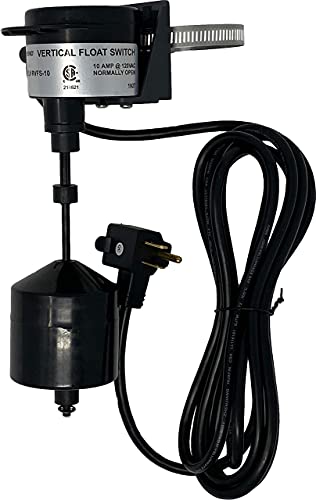
Best for universal replacement needs with dependable cycling. This switch is designed for sump, sewage, and effluent applications, and includes a 10-foot power cord with a piggyback plug, mounting bracket, and stainless steel hose clamp. It’s rated for up to 1 million cycles, offering reliable long-term automatic operation.
Best for: quick, universal replacement. Better for: users who want a plug-and-play setup. Caution: verify compatibility with your existing piping and discharge fittings.
WAYNE CDU800 1/2 HP Submersible Sump Pump

Best for heavy-duty basement drainage with a compact footprint. The CDU800 delivers up to 5,100 GPH and features a cast-iron body with stainless components for durability in challenging sump environments. The vertical float switch is integrated for automatic operation, and the design emphasizes reliability under sustained duty cycles.
Best for: high-flow, durable installations. Better for: basements with frequent heavy seepage. Caution: indoor use only; consider environmental conditions and venting requirements.
Buying Guide
- Automatic vs. manual: Vertical float switches enable automatic on/off behavior. Choose automatic if you want hands-free drainage and to avoid constant monitoring.
- Flow rate and head height: Match pump capacity to your sump size and the typical water height. Higher GPH matters for large basins, while head height matters for elevating water to a higher discharge point.
- Cord length and plug style: A longer cord (10 ft in these models) provides flexibility for pump placement. Piggyback plugs simplify wiring without rewiring outlets.
- Construction materials: Cast iron and stainless steel offer durability for tough environments; thermoplastic can be lighter and adequate for light-to-moderate use.
- Ease of installation: Look for included mounting brackets, clamps, and pre-assembled switches for faster setup.
- Durability and cycles: Some switches are rated for up to 1 million cycles, indicating a longer service life with frequent cycling.
- Best-use scenario: For homes with frequent heavy rain, prioritize pumps with high GPH and reliable float-switch control; for smaller basements, compact options may suffice.
FAQ
- What is a vertical float switch? It is a switch activated by the vertical movement of a float to turn a sump pump on and off automatically.
- Do I need a specific brand or model for replacement? Most vertical float switches are cross-compatible, but check outlet sizing, discharge, and mounting compatibility with your pump.
- How high can these pumps lift water? Lift height varies; some models reach up to 26 feet, others around 31 feet depending on head pressure and model.
- Is a metal pump housing better than plastic? Metal housings (cast iron/stainless) are typically more durable in demanding environments but may be heavier and more expensive.
- Can I install this myself? Yes, most setups use standard discharge piping and mounting brackets, but follow safety guidelines and electrical codes.
- What maintenance is required? Regularly inspect the switch, remove debris from the sump, and test the pump to ensure automatic operation remains reliable.