Best Ups Inverter With Battery for Reliable Power Backup
Answering buyers’ needs for uninterrupted power, this guide compares top ups inverter options with built-in battery compatibility. This selection targets different use cases—from RV road trips and home basements to office setups—so you can pick a model that best matches your loads and backup duration. The table below highlights who each product is best for and the core benefit you’ll gain. Choose a unit with the right balance of transfer speed, protection features, and compatibility with your battery type.
| Product | Best For | Key Benefit |
|---|---|---|
| ECO-WORTHY 1000W Pure Sine Wave Inverter Charger | RV use, small appliances, on-the-go power | Fast 20 ms UPS transfer with 1000W inverter and 55A charger |
| OLTEANP 2500W Sump Pump Battery Backup System | Basement protection, flood-prone homes | High power output with auto transfer and LCD remote |
| ECO-WORTHY 600W Inverter Charger | Small loads, RV/off-grid basics | Compact 600W inverter plus 30A charger and 20 ms UPS |
| Cantonape 2000W Sump Pump Backup System | Critical sump pump backup | Pure sine wave, 2000W with fast auto-switching |
| CyberPower CP1500PFCLCD | Computers and home offices with active PFC | High-efficiency sine wave, 1500VA/1000W with LCD |
Introduction to product categories: Each unit combines inverter power with a battery charger to bridge outages. Some models emphasize flood protection or RV readiness, while others target office electronics and computers. The following sections explain why each pick fits specific buyers and how they compare on key factors like transfer speed, protection features, and battery compatibility.
ECO-WORTHY 1000W Pure Sine Wave Inverter Charger

This unit combines a 1000W pure sine wave inverter with a 55A LiFePO4 battery charger. It provides UPS capability with a 20 ms transfer during grid loss, ideal for RVs, small kitchens, and essential appliances. It is best for owners who want reliable, clean power with strong protection (over/under voltage, overcurrent, overtemperature, short circuit). It suits users who can pair it with a LiFePO4 battery to ensure smooth operation during outages. Caution: ensure your loads stay within continuous rating to prevent overheating during peak surges.
OLTEANP 2500W Sump Pump Backup System

Designed for basement flood protection, this 2500W inverter charger supports automatic transfer from grid to battery power. It’s positioned as a robust emergency backup for sump pumps and related loads, compatible with LiFePO4 and other deep-cycle batteries. The 25A smart charger and multi-stage protection extend battery life and safety during storms. Best for homeowners seeking a dedicated backup power source for water-removal systems. Limitation: battery not included, so you must select a compatible deep-cycle battery separately.
ECO-WORTHY 600W Inverter Charger
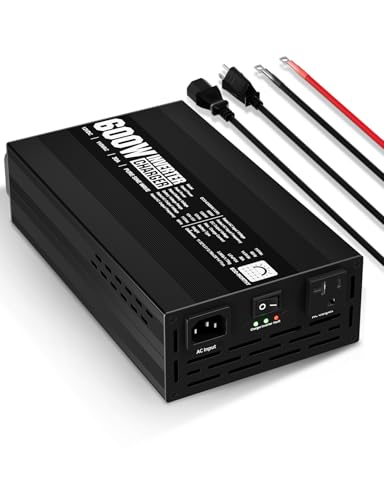
The 600W unit offers a lighter, more compact option with a 30A charger and a 20 ms UPS transfer. It targets smaller RV setups, tiny homes, or camping scenarios where space and weight matter. Best for users with modest power needs who still want clean sine-wave output and reliable protection. Caution: with a lower wattage, it may not handle high-demand appliances like microwaves simultaneously with charging.
Cantonape 2000W Sump Pump Backup System

Built as a professional-grade sump pump backup, this system delivers 2000W continuous power with pure sine wave output and auto-switching to battery during outages. It includes an easy LED display to monitor voltage levels and a stable multi-output design. Best for homeowners who require reliable sump pump operation during extended outages and want a highly efficient, low-loss solution. Limitation: battery type and capacity are not included; proper battery selection is essential for peak performance.
CyberPower CP1500PFCLCD
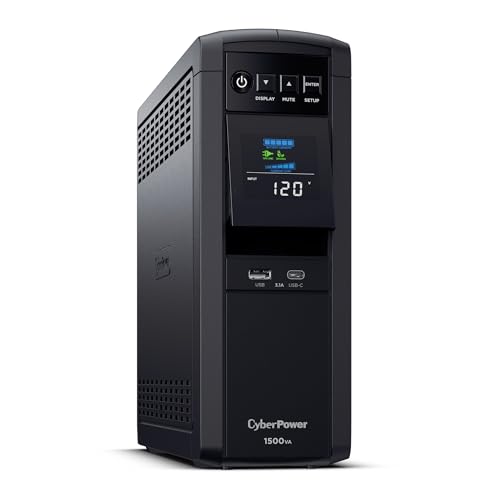
The CP1500PFCLCD offers 1500VA/1000W with active PFC compatibility and a seven-outlet configuration that includes six battery backup and surge protected outlets plus six surge protectors. An LCD panel provides at-a-glance battery and power status, making it suitable for computers and network gear where reliable backup is necessary. Best for office environments or media setups with multiple devices. Caution: larger footprint may be less ideal for small desks or limited spaces.
Buying Guide
What load do you need to back up?
List essential devices and their wattage. For heavy appliances, choose higher wattage units (2000W+). For basic electronics and networking gear, a smaller inverter may suffice.
Pure sine wave vs. modified sine wave
Pure sine wave inverters protect sensitive electronics and provide stable operation. If you plan to run computers, TVs, or audio equipment, prioritize models with pure sine wave output.
Transfer time and UPS functionality
Consider how quickly the unit switches to battery power. A 20 ms transfer is generally quick enough to prevent rebooting of most devices and is a common standard among quality UPS-inverter combos.
Battery compatibility and charging
Check the supported battery types (LiFePO4, AGM, GEL, etc.) and charger amperage. High charging current shortens recharge time but may impact battery lifespan if not matched to the battery.
Protection features
Look for overload, overvoltage, short-circuit, overtemperature, and surge protection. These features help safeguard both the unit and connected devices during faults and outages.
Number of outlets and transfer behavior
Evaluate how many outlets are powered during an outage and whether the surge-only outlets meet your needs. Consider also remote monitoring or LCD displays for clarity.
Maintenance needs and battery availability
Some systems require you to supply the backup battery separately. Plan for battery availability, replacement cycles, and possible future expansion if you anticipate longer outages.
Who should buy these type of products?
Homeowners in flood-prone areas, RV enthusiasts, and small business owners will benefit from UPS-inverter backups. Those with critical loads like sump pumps or computers should prioritize higher wattage, pure sine wave outputs, and reliable transfer times.
Key comparison points at a glance
- Power capacity: 600W–2500W options cover different load profiles
- UPS transfer speed: 20 ms is common and practical for many devices
- Battery integration: LiFePO4 compatibility often desired for longer life
- Protection features: multiple protection layers improve safety
- Specialized use: sump pump backups vs. general home/off-grid use
FAQ
- What is a UPS inverter with battery best used for?
It provides immediate power to essential devices during outages, reducing data loss and downtime. - Do these units require a separate battery?
Some models include the battery or are designed to work with common deep-cycle batteries; others require you to supply batteries separately. - Is pure sine wave output necessary for all devices?
Not always, but it’s preferable for sensitive electronics and modern power supplies. - Can I use these for RVs or off-grid setups?
Yes, several models are designed for RVs and off-grid living, often featuring compact form factors and higher surge ratings. - How important is transfer time?
A shorter transfer time reduces the risk of device reboot or damage during grid loss. - What maintenance is involved?
Regular checks of battery health, charger settings, and load balance help ensure reliable operation.