Best Uninterruptible Power Supply Batteries for Home and Office
Choosing the right UPS battery backup can protect critical devices from outages, surges, and voltage drops. This guide highlights five reliable UPS options that balance capacity, runtime, and ease of use. Each model supports different setups—from compact home networks to larger workstation rigs—so you can find a solution that fits your needs and budget.
style=”font-weight:bold;”>Summary Of Selected Products
| Product | Brand | Capacity | Key Benefit |
|---|---|---|---|
| BE600M1 Back-UPS | APC | 600 VA / 330 W | Compact standby UPS with USB charger port |
| BX1500M Back-UPS Pro | APC | 1500 VA / 900 W | Higher runtime for multiple devices |
| CP1500PFCLCD | CyberPower | 1500 VA / 1000 W | Sinewave output with USB-C and USB-A ports |
| Amazon Basics 800VA | Amazon Basics | 800 VA / 450 W | Solid value with plenty of outlets |
| EC850LCD | CyberPower | 850 VA / 510 W | Ecologic mode for efficiency |
APC BE600M1 Back-UPS Battery Backup and Surge Protector
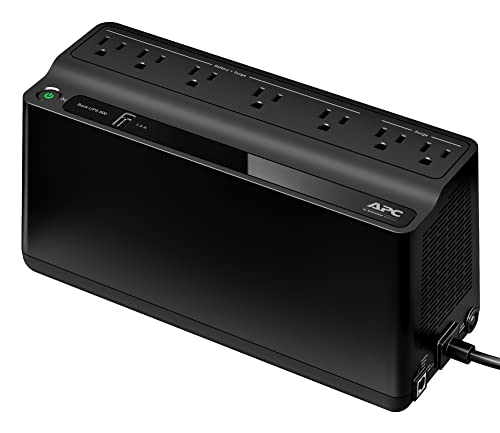
The APC BE600M1 combines reliable battery backup with surge protection across seven outlets, including five with battery backup. A dedicated USB charging port (1.5A) supports smartphones and portable devices, making it a practical choice for small home networks, routers, and basic computer setups. Its compact design fits under desks or on shelves while providing essential uptime during short outages.
APC BX1500M Back-UPS Pro 1500VA

The BX1500M offers extended runtime and greater capacity suitable for a PC setup with multiple monitors, a router, and other peripherals. With ten outlets—five battery backup and five surge-protected—it accommodates several devices while isolating critical equipment during outages. The model supports PowerChute UPS management via a dedicated data port and is compatible with Windows and macOS energy settings, helping manage power during shutdowns or reboots.
CyberPower CP1500PFCLCD PFC Sinewave UPS

This 1500VA/1000W unit provides a true sinewave output, ideal for active PFC and high-efficiency power supplies. It includes 12 outlets (six battery backup, six surge-protected) plus two USB ports and a multifunction color LCD panel that displays real-time battery and power conditions. The CP1500PFCLCD helps safeguard workstations, servers, and telecom equipment while offering clear visibility into status and potential issues before downtime occurs.
Amazon Basics UPS Battery Backup & Surge Protector 800VA

The Amazon Basics 800VA UPS delivers solid value with 12 outlets, evenly split between surge-protected and battery-backed outlets. It’s designed for home networks, IoT devices, and entertainment systems, providing enough runtime to gracefully shut down during short outages. Runtime varies by load, but the unit is compact enough for small desks while offering reliable surge protection and backup power when needed.
GOLDENMATE 1000VA/800W Lithium UPS

The GOLDENMATE lithium-based UPS uses LiFePO4 batteries for extended lifespan and reduced total cost of ownership. It features eight NEMA outlets with both surge protection and battery backup, a built-in battery management system, and a cooling system. The unit’s long life (over 10 years and many charge cycles) makes it attractive for users seeking longer replacement intervals and reliable performance for computers, networks, and telecom equipment in more demanding environments.
CyberPower ST425 Standby UPS

The CyberPower ST425 offers a compact standby UPS with eight outlets and a simple LED status indicator. It uses a simulated sine wave output and includes four battery-backed and four surge-protected outlets. This model is best for smaller home offices, media centers, or gaming setups where space is limited and essential devices require basic protection during outages and surges.
Note: All products listed are designed for different workloads and environments. When selecting a UPS, consider the following to tailor your choice to your situation.
Buying Guide: Key Purchase Considerations And Comparisons
Capacity and runtime: Units range from 400 VA to 1500 VA. Higher VA generally means longer runtime for more devices, but runtime varies with load. Estimate total wattage of devices to determine needed capacity.
Output waveform: For PCs with modern power supplies, a true sine wave or compatible PFC-friendly sinewave output is preferred. Cheaper units may provide a simulated sine wave that’s acceptable for basic devices but not ideal for high-end systems.
Number and arrangement of outlets: Models vary in battery-backed versus surge-only outlets. Plan for which devices must stay powered during an outage and ensure there are spare outlets for surge protection as needed.
Management features: Some UPS units offer USB connectivity, network dataline protection, and software for graceful shutdowns. Others provide LCD panels for real-time diagnostics. Consider whether you need remote management or OS integration.
Battery chemistry and lifespan: Lead-acid batteries are traditional and affordable but may require replacement every few years. Lithium-based UPS options offer longer lifespans and reduced maintenance, with different weight and cost considerations.
Form factor and installation: Desktop, tower, or compact formats suit different spaces. Ensure the chosen UPS fits under a desk or on a shelf without obstructing ventilation.
Warranty and support: Look for a robust warranty and accessible customer support. This can be critical when protecting valuable equipment and data during outages.
Future scalability: If you plan to expand devices, select a UPS with a higher capacity buffer or modular options that can grow with your office network or gaming setup.
Security and reliability: Choose brands with proven reliability and clear documentation. Reviews, certifications, and compatibility with common operating systems can guide risk assessment for critical equipment.