Best Underground Yellow Gas Pipe Fittings for Safe, Durable Installations
Finding reliable underground yellow gas pipe fittings is essential for safe, code-compliant gas line projects. This guide highlights top options, focusing on compatibility with 3/4 and 1/2 inch IPS yellow polyethylene gas pipes, ease of installation, and long-term reliability. The selections are best for homeowners, DIYers, and pros who need durable polyethylene fittings that resist environmental stress and maintain a secure seal in buried applications. Below is a quick buying snapshot followed by detailed product insights and a practical buying guide.
| Product | Size | Material | Best For |
|---|---|---|---|
| Home-Flex Underground 90° Elbow (3/4″) | 3/4″ | Polyethylene | Mid-size main line sections requiring directional change |
| 3/4″ IPS Underground Coupler (SDR-11) | 3/4″ | Polyethylene | Section-to-section coupling with SDR-11 wall |
| Home-Flex Underground 1″ Tee | 1″ | Polyethylene | Branching or tee-offs from a main line |
| Underground 1/2″ 90° Elbow | 1/2″ | Polyethylene | Smaller radius changes near fixtures or curb stops |
| 1″ 90° Elbow | 1″ | Polyethylene | Higher-flow bends for main lines or large runs |
Home-Flex Underground 90 Degree Elbow (3/4″)
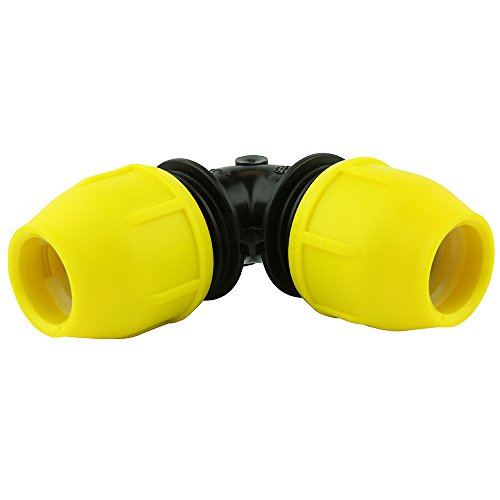
The 3/4-inch Home-Flex underground yellow gas pipe elbow is designed for buried polyethylene gas lines. It accommodates black/yellow color coding and uses a polyethylene construction compatible with typical underground gas runs. Best for mid-range bends in primary lines where space constraints require a compact elbow. A potential limitation is that SDR/pressure compatibility specifics are not listed in the product brief.
Who it’s best for: Homeowners and contractors planning 3/4″ runs with a need for a reliable right-angle turn. Why selected: it matches common underground gas piping colors and is widely compatible with standard 3/4″ PE gas pipes.
Caution: Verify local code requirements for joining technique and ensure proper trenching and backfilling to protect the joint from damage.
3/4″ IPS Underground Yellow Poly Gas Pipe Coupler (SDR-11)

This 3/4″ coupler connects two lengths of underground yellow polyethylene gas pipe. SDR-11 indicates a standard wall thickness for typical residential gas lines, balancing durability and flexibility. Best for short to moderate length splices where a robust joint is essential. Limitation: the listing does not specify pressure ratings or approval markings, so confirm compatibility with local codes before installation.
Who it’s best for: Professionals needing a straightforward splice between two 3/4″ PE gas pipes. Why selected: SDR-11 is a common standard, making it a predictable choice for many buried installations.
Caution: Ensure proper fusion or mechanical joint method per local code requirements to maintain a gas-tight seal.
Home-Flex Underground 1″ Tee

The 1″ underground tee from Home-Flex provides a branching option from a main gas line. Color-coded black/yellow and polyethylene construction support durable buried service. Best for creating a branch to an appliance or offshoot line when a single directing point is needed. A potential limitation is the stated design emphasis on general durability without listing exact joint methods or tools required for installation.
Who it’s best for: Projects needing a clean tee-off from a 1″ main line. Why selected: aligns with common 1″ PE gas pipe sizes and standard underground use.
Caution: Confirm trench depth and venting guidelines per local regulations to avoid impact on the tee joint during backfill.
HOME-FLEX Underground IPS Yellow Poly Gas Pipe Tee (1/2)
The 1/2″ underground tee is sized for smaller service runs or feeds to fixtures. It follows the same color coding and polyethylene construction, suitable for tight spaces where a branch is required close to the main line. Best for small-diameter residential setups; avoid if a larger flow path or higher pressure is expected beyond 1/2″.
Who it’s best for: Small, localized gas runs or appliance connections where 1/2″ control is sufficient. Why selected: matches common 1/2″ PE piping and provides a robust branching option for compact layouts.
Caution: Check compatibility with upstream pipe diameter and ensure proper crimp or fusion joining method per code.
Buying Guide
Key considerations help buyers select the right underground yellow gas pipe fittings for durability and code compliance.
- Pipe size compatibility: Ensure the fitting size matches the pipe diameter (e.g., 3/4″, 1″, or 1/2″ IPS) to avoid leaks or fit issues.
- Wall thickness and SDR rating: SDR-11 indicates a standard wall thickness suitable for typical residential use; higher SDR numbers reduce strength, so choose accordingly.
- Joint method and installation: Some fittings imply fusion, compression, or mechanical joints. Verify required tools and local codes before installation.
- Color coding and material: Underground gas lines commonly use black/yellow polyethylene fittings. Confirm that the fittings are designed for buried applications and compatible with PE gas pipe.
- Local code requirements: Gas piping rules vary by jurisdiction. Confirm necessary approvals, backfill depth, and trenching standards before starting work.
- Durability and environmental resistance: Look for fittings designed to withstand soil conditions, moisture, and temperature fluctuations common in buried applications.
- Availability and compatibility: Use fittings from reputable brands or widely compatible options to simplify future maintenance or repairs.
FAQ
- Q: Are these fittings suitable for outdoor, buried gas lines?
A: Yes, the listed underground yellow gas pipe fittings are designed for buried polyethylene gas piping and color-coded for standard underground installations. - Q: What size fittings should I choose for a 3/4″ pipe?
A: Choose a 3/4″ IPS fitting (or SDR-11 if specified) that matches your pipe’s end diameter to ensure a proper seal. - Q: Do these fittings require special tools?
A: Some fittings require fusion or compression tools per the joint method. Always follow local code and manufacturer instructions. - Q: Can I mix fittings from different brands?
A: Compatibility depends on the end diameter, SDR rating, and joint type. When in doubt, prefer fittings designed for the same pipe system and verify with code guidelines. - Q: Is color alone enough to confirm suitability?
A: Color coding helps identify use, but always verify specifications (size, material, SDR, and approved installation methods) before installation. - Q: Do these products come with warranties?
A: Warranty details are not listed in the product summaries here; check the product page or manufacturer for official warranty information.