Best Two-Sided Solar Panels for Home, RV, and Off-Grid Power
Two-sided solar panels, also known as bifacial panels, capture sunlight from both sides to maximize energy production. This article highlights five top options that balance efficiency, durability, and space savings. It’s ideal for off-grid homeowners, RV enthusiasts, campers, and anyone needing reliable mobile or rooftop power. Each product section explains who it’s best for, why it was selected, and a practical caveat to consider before buying. A concise buying guide and FAQ follow to help compare features, installation needs, and long-term performance.
Summary table of chosen products
| Product | Best For | Key Benefit |
|---|---|---|
| 860 watt Bifacial Solar Panels (STAR) | Residential/Off-Grid with limited space | High power in compact area; robust construction |
| Callsun N-Type 16BB 400W Bifacial (2Pcs) | RVs, vans, boats needing modular packs | 25% efficiency; strong shading tolerance |
| Callsun N-Type 16BB 400W Bifacial (2Pcs 12V) | Rooftops and small off-grid setups | Dual-module design; good rear-side gains |
| MHPOWOS 200W Bifacial Portable | Camping and emergency power | Portable with foldable design |
| Epoch 800W Bifacial Panels | Marine/ RV and larger off-grid systems | High efficiency, durable waterproofing |
860 Watt Bifacial Solar Panels by STAR

Best for: Homeowners with limited roof or yard space who want high output. Why selected: These 430W units use A+ grade cells and a space-saving design to deliver 860W from two panels, with a 30-year lifespan and strong wind/snow resistance. The half-cell technology provides stable power in varied light, making it suitable for off-grid homes or garden installations.
Limitations: The system design is optimized for outdoor use; ensure mounting hardware matches wind/load ratings in your area. Consider compatible inverters and racking for best performance.
Callsun N-Type 16BB 400W Bifacial (2×200W)

Best for: RVs, vans, marine applications, and small off-grid rooftops. Why selected: The 25% efficiency plus bifacial gain up to 30% from rear-side light helps maximize limited solar exposure. The dual-module anti-shade design reduces shading losses and improves daily output.
Caution: Performance gains are influenced by reflective installation surfaces; plan placement to maximize rear-side capture while avoiding excessive shading on either module.
Callsun N-Type 16BB 400W Bifacial (2Pcs 200W, 12V)

Best for: RVs, vans, boats, and rooftop off-grid systems needing modular 200W units. Why selected: N-Type 16BB cells deliver 25% efficiency with strong shallow light performance, and the bifacial design raises total output by up to 30% in favorable settings. TwinCell anti-shade tech reduces losses from partial shading.
Limitation: 200W per panel is unitized; ensure total array voltage matches your battery system’s requirements and that your roof or dock has adequate area for placement.
MHPOWOS 200W Bifacial Portable Panel

Best for: Campers, hikers, and emergency power users who need a compact, foldable option. Why selected: A portable 200W bifacial panel with foldable design, IP68 waterproofing, and two kickstands supports outdoor use in varied environments. It’s a practical power companion for recreational vehicle trips and off-grid adventures.
Limitation: It cannot store electricity; you’ll need a compatible power station or battery to store energy for later use.
Epoch 800W Bifacial Panels
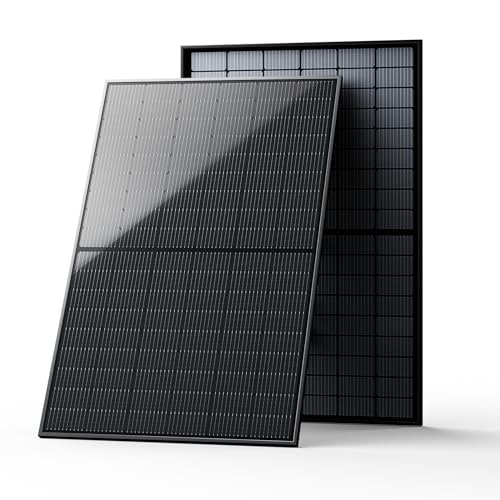
Best for: Larger off-grid systems, RVs, boats, and marine applications requiring high efficiency and robust waterproofing. Why selected: This two-panel setup uses N-Type A+ cells with high efficiency up to 25% and an IP68-rated junction box, delivering strong performance in harsh environments and challenging weather.
Limitation: Larger footprint means more space is needed for installation; ensure structural support and mounting area are adequate for the panels’ combined size and weight.
Buying Guide
What to consider when choosing two-sided solar panels
- Power output and area: Compare wattage per panel and total area. Bifacial panels can deliver more overall energy, but space constraints still matter.
- Cell technology: N-type vs. standard P-type; N-type generally offers better low-light performance and durability against light-induced degradation.
- Backside gain: Front-to-rear light capture varies by installation surface. Reflective surfaces (snow, gravel) can boost gains.
- Shading tolerance: Anti-shade designs help maintain output when parts of the panel are shaded.
- Durability and weather ratings: Look for IP ratings, wind/snow load tolerance, and robust frames for outdoor use.
- Portability vs. fixed installation: Portablefolding panels suit travelers; fixed rooftop panels suit homes and RVs with substantial space.
- System compatibility: Ensure the panel’s voltage and current align with your battery bank, inverter, and charge controller.
FAQ
- What does “bifacial” mean in solar panels?
It means the panel captures light from both the front and back, increasing potential energy production in suitable installations.
- Are bifacial panels worth it for small rooftops?
They can be, if rear-side gains occur due to reflective surroundings or if space is limited and high efficiency is needed per area.
- Do bifacial panels require special mounting?
Mounting may require careful alignment and, in some cases, reflective surfaces beneath the panel to maximize rear-side capture.
- Can I mix bifacial panels with traditional panels?
Yes, but be mindful of voltage/current compatibility and overall system balance to avoid mismatches.
- How do I estimate back-side energy gains?
Gains depend on installation surface reflectivity, tilt angle, and local weather; manufacturers often provide typical ranges.
- What maintenance is required?
Regular cleaning of dust and debris helps maintain efficiency; inspect frames and junction boxes for damage after severe weather.