Best Tri Fuel Generator Conversion Kit Solutions for Reliable Power
Tri fuel generator conversion kits let you run your portable or home backup generator on propane, natural gas, or gasoline. This article highlights five top options, explains how they work, and helps you compare compatibility, installation, and performance. Below is a quick summary of the chosen products to help you decide which kit fits your needs.
| Product | Brand | Fuel options | Best use |
|---|---|---|---|
| Mikatesi 039-122 | Mikatesi | Propane, Natural Gas, Gasoline | Honda and other small to mid-size generators |
| YAMAKATO 389cc / 420cc Tri Dual | YAMAKATO | Gasoline, LPG, LNG (CNG) | Generac, Champion, Honda and clones |
| Hutch Mountain EU2200i | Hutch Mountain | Propane, Gasoline, Natural Gas | Honda EU2200i and compatible portable units |
| Grenergy EU2200i Kit | Grenergy | Propane, Natural Gas, Gasoline | Honda EU2200i inverter generators |
| Nashfuel Tri-Fuel for GP5500 | Nashfuel | Propane, Natural Gas, Gasoline | GP5500 series and similar large portable generators |
The following sections provide detailed, fact-based overviews of each kit, focusing on compatibility, installation, and practical considerations for American homeowners, campers, and disaster-prepared households.
Mikatesi 039-122 Generator Propane Conversion Kit

The Mikatesi 039-122 kit is designed to replace multiple part numbers and supports three-fuel operation: propane, natural gas, and gasoline. It’s marketed as compatible with Honda and other small to medium generators, including the EU2200i family. The kit emphasizes a compact look and easy integration with low-pressure fuel sources. It is positioned as a practical backup option for home use and for portable setups at outdoor sites, with emphasis on versatility and ease of use.
Key considerations: verify model compatibility for your exact generator model, ensure proper fuel pressure and line sizing for your system, and follow the included installation guidelines to avoid carburetor or fuel system issues. The three-fuel capability can simplify emergency planning by allowing access to common fuel sources.
YAMAKATO 389cc / 420cc Tri Dual Fuel Kit

The YAMAKATO kit targets a wide range of displacement classes (389cc to 459cc) and is described as a tri-fuel or dual-fuel carburetor kit for various brands including Generac, Champion, Honda, and clone engines. It includes mounting gaskets and supports gasoline to natural gas and LPG/LNG conversions. The listing covers a broad model range, suggesting broad compatibility but requiring model-specific verification before purchase.
Key considerations: confirm carburetor compatibility with your exact engine model and displacement, check for proper gasket materials, and ensure you have a suitable fuel delivery setup for propane or natural gas. This kit can be a robust option for users with multiple generator models or who want broad applicability across brands.
Hutch Mountain EU2200i Tri-Fuel Conversion Kit
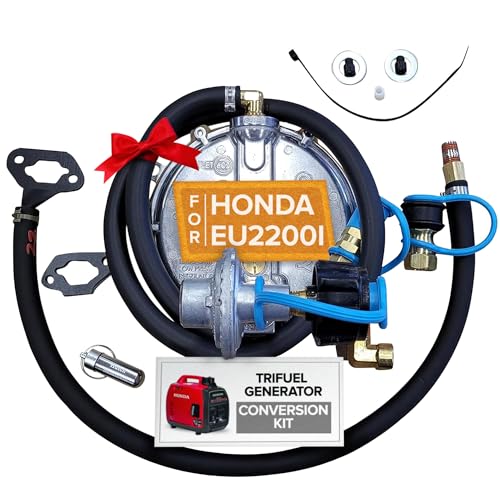
This kit targets the Honda EU2200i inverter platform with tri-fuel support, including propane, gasoline, and natural gas. It emphasizes cleaner energy with reduced carburetor issues and includes a “gas ethanol gum carb eliminator switch.” The kit is described as RV-compatible, widely applicable for home emergency use, camping, and outdoor power access with RV quick-connect options as an added benefit.
Key considerations: ensure your EU2200i or compatible unit is within the tested range, examine hose compatibility for RV setups, and consider the long-term maintenance benefits associated with cleaner-burning fuels. Gasoline-to-propane transitions can improve storage stability and reduce maintenance headaches during outages.
Grenergy EU2200i Propane & Gasoline Tri Fuel Kit
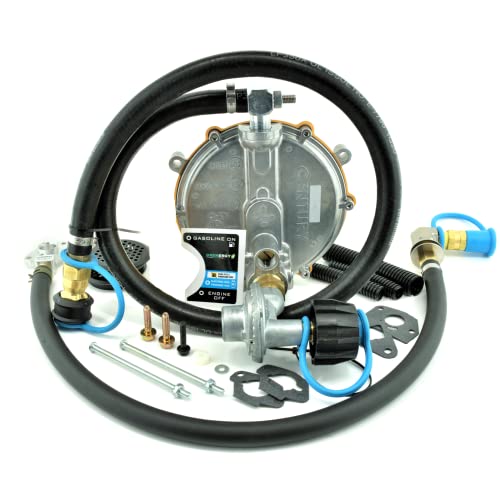
The Grenergy kit provides a complete tri-fuel solution for Honda EU2200i-style inverters, designed to operate with propane, natural gas, and gasoline. It markets as a plug-and-play option with no modifications to the factory carburetor required. The emphasis is on long-term reliability, with propane and natural gas offering a storability and cleaner operation compared to gasoline.
Key considerations: verify the kit’s fitment with your exact generator model, confirm fuel line sizing and pressure requirements, and consider the availability of propane or natural gas sources in your area for ongoing use. The kit’s “no carburetor modification” claim can be appealing for users seeking a straightforward upgrade.
Nashfuel Tri-Fuel Conversion Kit for GP5500

The Nashfuel Tri-Fuel kit is tailored for GP5500 generators, enabling operation on propane, natural gas, or gasoline. It features a unique venturi design intended for installation across a range of generators with minimal modifications. The kit specifies a required inlet pressure range, helping technicians match it to their fuel supply system and ensure stable performance.
Key considerations: check the generator’s inlet pressure tolerance and confirm compatibility with your GP5500 or related models, plan for proper fuel line routing, and consider the stability of gas supply sources during outages or peak demand periods.
Buying Guide: Key Considerations For Choosing A Tri Fuel Kit
- Generator compatibility: confirm the exact model, displacement, and carburetor type to ensure the kit will install properly without engine or fuel system conflicts.
- Fuel pressure and delivery: many tri fuel kits rely on specific inlet pressures. Verify the typical pressure of your propane, natural gas, or gasoline supply to prevent performance issues.
- Installation scope: some kits require minimal modifications; others may need more extensive adjustments. Assess your mechanical skill or plan for professional installation.
- Fuel source availability: propane and natural gas offer storage stability and long shelf life, but check accessibility in your area and the practicality of RV hookups or home backup configurations.
- Maintenance impacts: propane and natural gas can reduce carburetor gum and maintenance, but routine checks remain important, especially after prolonged storage.
- Portability vs. home backup: for camping and RV use, choose a kit with proven compatibility to lightweight, portable generators; for home backup, ensure ongoing reliability and local fuel accessibility.
- Warranty and support: review manufacturer guarantees, included accessories, and availability of replacement parts or gaskets that may wear over time.
- Safety: ensure proper venting, correct fuel line routing, and compatibility with regulators to prevent leaks or backfires.
The information presented here is intended to inform about available tri-fuel conversion options and does not replace professional installation guidance. Always consult the generator’s user manual and the kit’s installation instructions before proceeding.