Best Thermostatic Oil Cooler Sandwich Plates for Engine Cooling
When selecting a thermostatic oil cooler sandwich plate, choose models that integrate a built-in thermostat, fit your AN or metric fittings, and offer easy sensor or feed-line mounting. This guide highlights five options that balance reliability, compatibility, and clear installation paths for a range of engines and setups. Best for enthusiasts upgrading oil cooling in performance or daily drivers, these picks emphasize precise oil temperature control and simple integration with existing oil circuits.
Buyer notes: The top products below are evaluated for common installation scenarios, including inline oil temperature control, sensor compatibility, and universal fitment considerations. The following table summarizes core specs to help you compare at a glance.
| Product | Type | Thermostat | Fittings | Best For |
|---|---|---|---|---|
| Mishimoto Oil Sandwich Plate with Rear-Mounted Thermostat | Sandwich Plate | 185°F / 85°C | M20 x 1.5, Two 1/8″ NPT | Performance engines needing inline cooling with sensor ports |
| Mishimoto MMOP-SPT Thermostatic Oil Sandwich Plate | Sandwich Plate | 185°F / 85°C | M20 x 1.5, Two 1/8″ NPT | Compact fit, easy sensor routing |
| PiKBUK Oil Filter Sandwich Plate Thermostatic Adapter | Sandwich Plate | 82°C | AN10, 3/4-16 UNF, M20x1.5 | Balanced engine temp control with universal adapters |
| PKSABB Universal Oil Cooler Thermostat Sandwich Plate Adapter | Sandwich Plate | Not specified | 3/4-16 UNF, M20 x 1.5, AN10 | Wide compatibility with common adapters |
| G-PLUS Aluminum Oil Filter Cooler Sandwich Plate Adapter | Sandwich Plate | 70–80°C range implied | 3/4x16UNF, M20x1.5 | Japanese vehicle fitment and broad mounting |
Mishimoto Oil Sandwich Plate with Rear-Mounted Thermostat

This plate features a built-in thermostat set at 185°F (85°C) and uses a compact 6061 aluminum body. It provides a large port area with M20 x 1.5 threads and two 1/8″ NPT ports for sensors or oil feeds. Best for performance engines where inline oil cooling and temperature controlled flow are critical. The rear-mounted thermostat helps minimize routing complexity and space under the hood. Limitation: fewer port configurations may require additional adapters for some sensor or line placements.
Best for: engines needing an integrated temperature control with sensor/line options in a compact footprint.
Mishimoto MMOP-SPT Thermostatic Oil Sandwich Plate Gold
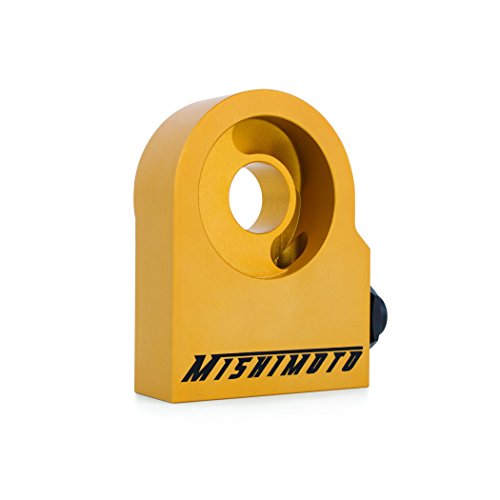
This model mirrors the Mishimoto thermostat approach with a built-in 185°F / 85°C thermostat. It measures 3.02” x 3.11” x 1.18” with M20 x 1.5” ports and two 1/8″ NPT ports for sensors or feeds. The gold finish highlights a design tuned for consistent oil temperature management while enabling easy mounting. Caution: ensure port spacing accommodates your existing lines and sensors to avoid interference.
Best for: drivers seeking a robust, aesthetically distinct plate with reliable inline temperature control and sensor ports.
PiKBUK Oil Filter Sandwich Plate Thermostatic Adapter

PiKBUK offers a thermostatic oil cooler sandwich plate with an 82°C thermostat and universal compatibility through AN10, 3/4-16 UNF, and M20x1.5 center bolt options. This setup diverts flow to an external cooler when the engine oil reaches the threshold, helping maintain optimal viscosity and performance. Best for: users who want a temperature-driven flow switch with broad mounting versatility. Limitation: installation may require precise fitting alignment to maintain reliable thermostat operation.
Best for: versatility in temperature-managed oil routing across a broad range of engines.
PKSABB Universal Oil Cooler Thermostat Sandwich Plate Adapter

PKSABB’s adapter supports 3/4-16 UNF and M20 x 1.5 fittings with AN10 capability, offering a compact aluminum plate suitable for many vehicle makes. It is designed for flexible oil cooler integration in tight engine bays and provides a practical route for adding a thermostatic element to the oil circuit. Best for: builders needing a broad compatibility profile with standard AN ports. Caution: verify the exact thread and port requirements before ordering to avoid misfit.
G-PLUS Aluminum Oil Filter Cooler Sandwich Plate Adapter

G-PLUS provides a compact aluminum plate with center bolt threads of 3/4×16 UNF and M20x1.5. It uses an 80°C-inspired temperature range concept to initiate oil flow changes, supporting stable oil temperatures in varied operating conditions. Best for: Japanese cars or similar platforms where compact, lightweight cooling upgrades are desired. Limitation: explicit thermostat activation temperature is not always stated, so confirm performance expectations.
Buying Guide
What should I look for in a thermostatic oil cooler sandwich plate?
Key factors include thermostat temperature (set or adjustable), port sizes (M20 x 1.5, AN10, etc.), and the availability of sensor ports for oil temperature or pressure. Ensure compatibility with your engine’s oil routing and space constraints.
Which mounting configurations offer the best reliability?
Plate designs with integrated thermostats and multiple ports for sensors generally provide cleaner routing and reduce leak points. Look for plates with robust aluminum construction and corrosion resistance.
Is universal fit more important than exact-fit models?
Universal-fit adapters are beneficial if you own a non-standard engine or plan to swap between vehicles. However, exact-fit models often simplify installation and reduce compatibility concerns.
What are common installation limitations?
Space constraints under the hood, port alignment with existing lines, and ensuring the thermostat’s opening temperature matches your cooling strategy are common issues. Prepare for possible extra fittings or adapters.
How do I choose between a 82°C vs 185°F thermostat?
82°C (≈180°F) is a lower activation temperature that diverts flow sooner for moderate cooling needs, while 185°F (≈85°C) targets a higher operating temperature. Your choice depends on engine design, oil viscosity, and ambient conditions.
FAQ
- Do these plates require professional installation? Most installations are DIY-friendly for those with basic automotive plumbing skills, but verify clearances and threading types for your vehicle.
- Will a thermostat plate affect oil pressure? Properly designed plates should maintain normal oil pressure; issues typically arise from improper routing or leaks.
- Can I reuse stock sensors with these plates? Many plates provide dedicated ports for sensors; verify compatibility with your sensor thread size and wiring.
- Are there maintenance concerns? Regularly inspect for leaks at fittings and ensure the thermostat remains free of debris for reliable operation.
- Which plate is best for a tight engine bay? Look for compact profiles like the Mishimoto MMOP-SPT or other plates designed with a small footprint and integrated thermostat.