Best Thermostats With Motion Sensors for Smarter Comfort
Smart thermostats with motion sensors bring precise room-by-room comfort and energy savings. By detecting occupancy, these devices can adjust temperatures automatically, reduce energy use, and support integration with smart home assistants. Below is a curated selection of five compatible models, highlighting how motion sensing enhances daily climate control and efficiency for American homes.
Summary of Selected Products
| Product | Brand | Key Features | Sensor Type | Compatibility Notes |
|---|---|---|---|---|
| Honeywell Home T9 with 1 Smart Room Sensor | Honeywell Home | Energy saving, Auto Home/Away, smart room focus | Smart Room Sensors | Works with T9 series; supports multiple sensors |
| Honeywell Home T9 WiFi Smart Thermostat | Honeywell Home | Auto geofence, energy reports, multi-room focus | Smart Room Sensors (optional) | Geofencing, compatible with many systems |
| ecobee Smart Thermostat Premium | ecobee | Energy savings, built-in air quality, SmartSensor value | SmartSensor included | Works with most 24V systems |
| Google Nest Learning Thermostat (4th gen) + Sensor | Adaptive learning, occupancy sensing, Bluetooth/IoT control | Temperature Sensor | Works with many 24V systems; Matter compatible | |
| ecobee Smart Sensor 2 Pack | ecobee | Occupancy-aware, room-forward comfort, energy savings | SmartSensor | Pairs with ecobee thermostats |
Honeywell Home T9 With 1 Smart Room Sensor

The Honeywell Home T9 WiFi Smart Thermostat with a Smart Room Sensor is designed to optimize comfort in occupied rooms while maintaining energy efficiency. The device supports Auto Home/Away Scheduling, allowing the system to adjust temperatures based on real-time presence and a user-defined routine. It integrates with energy rebate programs and demand response features in some utility plans, which can reduce heating and cooling costs when utilities request adjustments during peak demand. The Smart Room Sensor helps focus comfort where people are most often present, creating a more personalized environment.
In practical terms, users can monitor and control the T9 from mobile devices, and the sensor range ensures room coverage across larger homes. The combination of occupancy sensing and remote access makes it suitable for homes with varying daily patterns, including night-time temperature preferences in bedrooms and common areas during the day. Installation generally supports standard HVAC configurations with attention to sensor placement for best results.
Honeywell Home T9 WIFI Smart Thermostat (Sensor Ready)
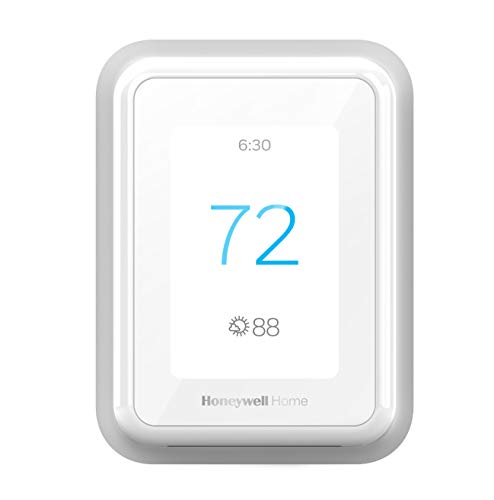
This version emphasizes compatibility with Smart Room Sensors and geofencing to deliver tailored comfort across multiple rooms. The system can connect to utility efficiency programs to promote seasonal energy reductions and reward users for energy-saving behavior. It’s important to confirm C-wire compatibility if your setup relies on a shared power line for thermostat operation. The T9 is designed to accommodate a range of heating and cooling systems, especially those with modern control boards that respond quickly to occupancy data.
The T9’s geofencing and auto scheduling help reduce energy waste when the home is empty. With multiple sensors, you can extend the “focus” to additional rooms, aligning temperature with real living patterns. This approach minimizes temperature swings and improves overall comfort without constant manual tweaks.
ecobee Smart Thermostat Premium With Smart Sensor

The ecobee Smart Thermostat Premium combines a premium touchscreen with advanced room sensing and air quality monitoring. The included SmartSensor helps ensure comfort in key rooms by prompting temperature adjustments when occupancy changes. The thermostat is ENERGY STAR certified and claims potential yearly savings on heating and cooling costs. It includes a Power Extender Kit for installations that lack a C-wire, simplifying DIY setup for many homes. The device supports popular voice assistants and is compatible with most 24V systems.
Beyond temperature control, ecobee emphasizes indoor air quality, which can be important for households with sensitivities or respiratory concerns. The integration with ecobee’s smart home ecosystem and doorbell-camera integrations (via compatible setups) enhances remote monitoring and control, though user needs to verify system compatibility before purchase. The Premium model targets users seeking a high-end experience with robust sensor support.
Google Nest Learning Thermostat (4th Gen) + Sensor

The Nest Learning Thermostat represents a blend of learning automation and occupancy awareness. It adapts to household patterns to optimize comfort and energy use over time, reducing wasted heating or cooling. The 4th generation model supports a wide range of 24V systems and is often installable without a C-wire, though compatibility checks are recommended. The Nest ecosystem offers robust control through the Google Home app and voice assistants, with Matter compatibility for easier integration with other smart devices. The included temperature sensors extend occupancy awareness to multiple rooms.
Nest emphasizes a hands-off approach: it learns preferences, then automatically adjusts schedules. Users can override the system from a phone or voice, and the device supports cross-device control for consistent comfort. However, initial setup and compatibility checks are important, especially when integrating with non-Nest devices or older HVAC configurations. Nest’s occupancy sensing can improve efficiency by focusing on occupied zones and reducing heating or cooling in unused spaces.
ecobee Smart Sensor 2 Pack

The ecobee Smart Sensor 2 Pack expands occupancy and temperature sensing to additional rooms, helping the thermostat make better decisions about where to heat or cool. The sensors communicate through walls and floors up to about 60 feet, guiding the thermostat to adjust comfort in occupied spaces. This setup is ideal for homes with rooms that have inconsistent temperatures or rooms that are frequently unused. The sensors are designed to work with ecobee thermostats to improve energy efficiency without sacrificing comfort, making them a practical upgrade for seasoned ecobee users.
Honeywell THX321WFS3001W T10+ Pro Smart

The Honeywell THX321WFS3001W T10+ Pro Smart Thermostat combines advanced scheduling with RedLINK 3.0 technology and an indoor air sensor. While the T10+ model lines up with motion-sensing strategies, it emphasizes air quality awareness and intelligent control. The device integrates with a wide range of HVAC systems and supports energy-saving modes, including compatibility with utility efficiency programs in some regions. For homes prioritizing air quality alongside occupancy-based comfort, the T10+ Pro adds an additional dimension to climate control.
Buying Guide: Key Purchase Considerations
- System compatibility: Verify 24V compatibility, required C-wire, and compatibility with your furnace or air conditioner. Some models work best with specific HVAC setups.
- Sensor strategy: Decide how many rooms you want to zone for comfort. More sensors generally improve accuracy but require careful placement.
- Energy programs: If you participate in energy rebates or demand response programs, ensure your thermostat supports those features with your utility.
- Smart home integration: Consider whether you prefer Google Assistant, Amazon Alexa, or Apple HomeKit. Check for Matter compatibility for broader future-proofing.
- Installation and DIY readiness: Some thermostats include a PEK or offer easy install kits. In complex setups, professional installation may be advisable.
- Air quality features: If indoor air quality is important, look for built-in sensors or compatibility with air quality monitors.
- User experience: Look for a responsive touchscreen, intuitive app controls, and reliable geofencing for Auto Home/Away.
In summary, motion-sensor thermostats offer precise comfort management, potential energy savings, and richer smart-home integration. The listed models provide a range of options—from premium ecobee ecosystems to Nest’s learning approach—so you can balance features, sensor coverage, and compatibility with your existing HVAC setup.