Best Thermostat With Floor Sensor for Radiant Heating in 2026
For homes with radiant or underfloor heating, a thermostat with an accurate floor sensor delivers consistent warmth and improved energy efficiency. This guide highlights five top options, showing who each model is best for and why it’s a strong fit for floor heating setups. The list prioritizes dual-sensing capabilities (air and floor), built‑in GFCI protection, and easy installation. Ideal buyers include DIY installers, those upgrading existing radiant heating, and users seeking safer, more energy‑savvy control.
| Product | Best For | Why It Stands Out |
|---|---|---|
| Programmable Thermostat for House Radiant Underfloor Heating | Safe, code‑minded installations | Dual sensing, GFCI built‑in, 120/240V compatibility |
| Honeywell TH6100AF2004 T6 Pro‑1 | Simple, US‑made reliability | Basic programmable control with floor sensing |
| Honeywell TH115‑AF‑GA/U Radiant Heating | Floor‑sensor ready, 7‑day programmable | Integrated floor sensor and GFCI |
| SunTouch CommandPLUS SunStat | WiFi capable, flexible compatibility | Floor sensor included, broad system support |
| OJ Microline UTN4 | Plug‑and‑play, dual voltage | Non‑programmable ease with dual sensing and GFCI |
The following sections detail each product, highlighting who should choose it and why. Consider matching features like dual sensing, GFCI protection, and voltage compatibility to your heating system and local electrical codes. Use the buying guide and FAQ to resolve common questions about installation, safety, and ongoing use.
Programmable Thermostat With Floor Sensor By BOWSEN
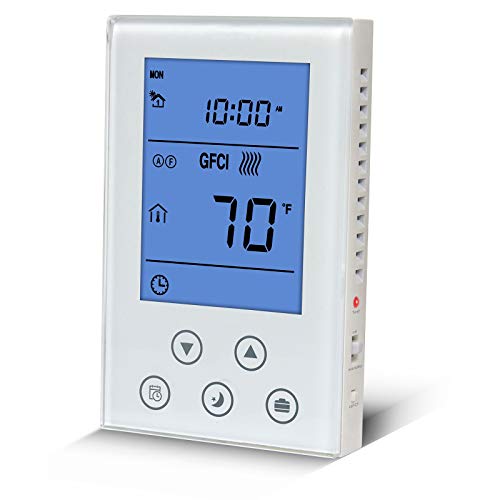
This dual‑sensor thermostat supports 120VAC or 240VAC, up to 15A, with a maximum heating wattage of 1800W at 120V or 3600W at 240V. It includes an integrated GFCI and a test function for safety. Best for: homeowners who need a robust, code‑compliant solution for underfloor heating in mixed voltage installations. Limitation: some users may require aftermarket wiring knowledge to navigate the hidden GFCI options.
Honeywell TH6100AF2004 T6 Pro‑1

North American‑made control with straightforward programming and reliable performance. Best for: buyers who want a widely supported, US‑built thermostat with floor sensing for radiant systems. Limitations: product details emphasize locale and packaging specifications rather than advanced features; confirm compatibility with your specific floor sensor setup before purchasing.
Honeywell TH115‑AF‑GA/U Radiant Heating Thermostat

Equipped with a floor sensor and GFCI, this Honeywell model suits 120/240V radiant systems and offers seven‑day programming. Best for: users who want a trusted brand with built‑in floor sensing for precise warmth. Limitation: feature details are concise; verify floor sensor compatibility with your flooring type before installation.
SunTouch CommandPLUS SunStat
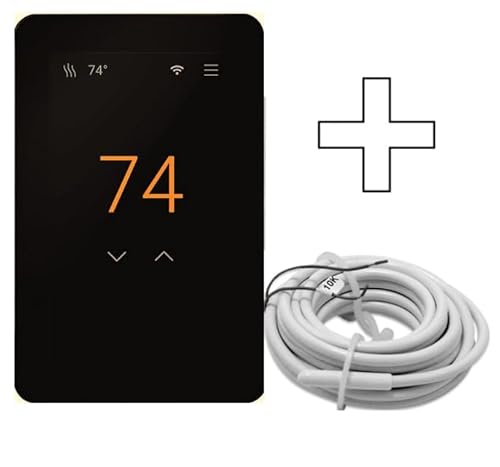
Designed for broad compatibility and WiFi control, this thermostat includes a floor sensor wire (15 ft) and supports classic electric flooring brands. Best for: households upgrading to a WiFi‑enabled control with a familiar SunTouch ecosystem. Limitation: some setups may require longer sensor runs or additional wiring for full app features.
OJ Microline UTN4 Radiant Floor Thermostat

This non‑programmable, dual‑voltage thermostat includes a Class A GFCI and a floor sensor. Best for: buyers seeking a simple, plug‑and‑play solution that still provides dual sensing for accurate floor temperature control. Limitation: no built‑in scheduling; plan to manage temperature via manual settings or external scheduling if needed.
LuxHeat Floor Sensor For Radiant Systems

NTC 10k ohm universal floor sensor with 15 ft cable, compatible with many brands and thermostats. Best for: installers who need flexible sensor options to achieve precise floor temperature readings. Limitation: sensor compatibility varies by thermostat model; confirm connector type and length for your layout.
OJ Microline UDG4 Touchscreen Thermostat

High‑resolution touchscreen with dual sensing and a Class A GFCI, designed for 120/240V radiant systems. Best for: buyers who want a modern interface and adaptive controls to balance comfort and energy use. Limitation: advanced features require setup; verify your existing wiring and installation space before purchase.
WarmlyYours, OJ Electronics UDG‑4999 nHance

This programmable thermostat focuses on ease of use with a pre‑set program and energy‑use monitoring. Best for: users who want quick setup and visibility into energy consumption. Limitation: compact feature set may not suit power users needing advanced scheduling or complex scene management.
Buying Guide: Choosing The Right Thermostat With Floor Sensor
Key considerations help identify the best match for your heating system and home. Start with compatibility: confirm voltage (120V vs 240V), system type (electric underfloor or radiant slab), and sensor compatibility with your existing floor material. Then assess safety features: a built‑in GFCI is essential for wet areas or floors with potential moisture exposure. Dual sensing (air and floor) improves comfort accuracy, especially in fluctuating room conditions. Warranty and local support can matter for troubleshooting. Finally, consider future proofing: WiFi or smart features may offer better integration with home automation, but ensure they don’t compromise reliable, on‑wall control during outages.
FAQs
- Do I need a GFCI on a floor heating thermostat? Yes, many underfloor heating systems require GFCI protection to reduce the risk of electrical shock and fire. Check local electrical codes and the thermostat’s documentation.
- What is dual sensing and why is it important? Dual sensing uses both air and floor temperature readings, offering more accurate comfort and energy control for radiant floors.
- Can I install a thermostat myself? Installation is possible for many models, but it involves high‑voltage wiring. If unsure, hire a licensed electrician to ensure safe and code‑compliant setup.
- Will a WiFi thermostat save energy? Smart features can help optimize schedules, but savings depend on usage patterns and proper programming.
- Which thermostat works with most floor heating systems? Look for universal or dual‑voltage models and sensors designed for radiant systems, such as those listed here.
- How long does floor sensor cable extend? Sensor cables commonly range from 10 to 15 feet; verify your room layout to avoid sensor placement issues.