Best Thermostats for Electric Wall Heaters
Electric wall heaters pair well with modern thermostats to optimize comfort and energy use. Below is a curated selection of thermostats and compatible heater units that support reliable control, smart features, and easy installation for American homes. Each entry highlights what makes it suitable for electric wall heating and how it helps manage temperature efficiently.
| Product | Brand | Type | Key Benefit |
|---|---|---|---|
| Cadet Com-Pak Electric Wall Heater Complete Unit With Thermostat (CSC151TW) | Cadet | Wall Heater with Built-in Thermostat | Compact, reliable heating with integrated control |
| Cadet Com-Pak Electric Wall Heater (CSC202TW) | Cadet | 2-Stage / 240V Wall Heater with Thermostat | Higher output with efficient operation |
| Dreo Smart Wall Heater WH719S | Dreo | Smart Wall Heater | App control, voice assistants, timer |
| Mysa Smart Thermostat LITE | Mysa | Line-Voltage Smart Thermostat | Wi‑Fi enabled, schedules, energy insights |
| GiveBest Electric Wall Heater with WiFi | GiveBest | Wall Heater with Remote & WiFi | Remote access, multiple mounting options |
Cadet Com-Pak Electric Wall Heater With Built-In Thermostat

The Cadet Com-Pak CSC151TW is a complete wall heater unit with an integrated thermostat. It delivers 5120 BTU from a 1500-watt element at 120 volts, making it suitable for small to medium spaces. The built-in thermostat supports straightforward temperature control without requiring a separate device, and the unit’s compact form helps with quick installation in tight wall cavities. This model emphasizes dependable, steady warmth with a straightforward control interface.
Cadet Com-Pak Electric Wall Heater CSC202TW
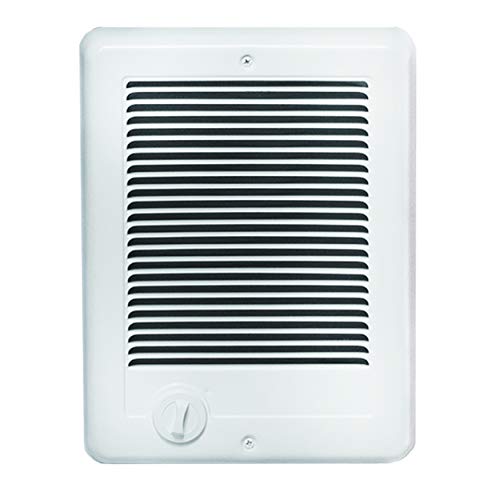
This Cadet model delivers higher output and flexibility with 6825/5120 BTU ratings at 240/208-volt input and a 2000/1500-watt range. It’s designed for faster heating of larger spaces and can be installed in ceilings with suitable configurations. The built-in safety features and efficient operation help ensure a smooth, quiet performance while maintaining comfortable temperatures in bigger rooms.
Dreo Smart Wall Heater WH719S

The Dreo WH719S blends a PTC ceramic heating element with 120° oscillation for broad warmth distribution. The 1°F-accurate thermostat and app-based scheduling provide precise control, while Alexa and Google Home compatibility enable voice control. This model is well-suited for bedrooms, living rooms, and offices where quiet operation and consistent temperature are valued.
Mysa Smart Thermostat LITE
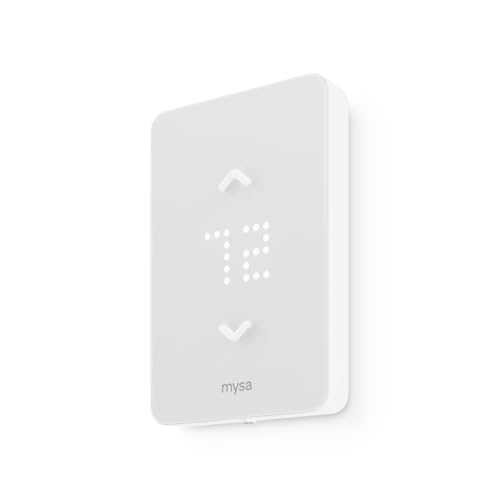
The Mysa Smart Thermostat LITE is a line-voltage thermostat designed for 120V and 240V electric baseboards, wall heaters, and convectors. It supports Wi-Fi control, scheduling, energy reports, and smart integrations without ongoing subscription fees. This thermostat enables energy savings by turning heating on or off according to custom schedules and real-time occupancy patterns, with a focus on simple DIY installation.
GiveBest Electric Wall Heater With WiFi

This GiveBest heater supports remote control and Wi-Fi connectivity along with multiple heating modes and a thermostat. It can be mounted on the wall or used on the floor with retractable feet, offering flexibility for various room layouts. The ECO mode helps maintain comfortable temperatures while reducing energy usage, making it a practical option for space heating in living rooms, bedrooms, and home offices.
Broan-NuTone 9815WH High Capacity Wall Heater
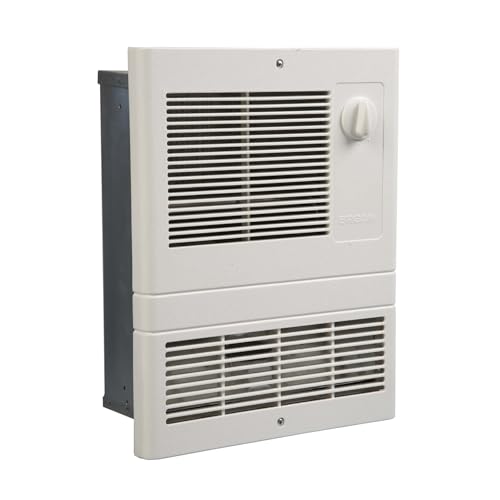
The Broan-NuTone 9815WH provides a high-capacity option with 1500W at 120V or 1500W at 240V, featuring a built-in adjustable thermostat. The white grille design complements contemporary interiors, and the front-mounted thermostat allows straightforward control of heat output. It’s suitable for supplemental heating in larger rooms or spaces where modular installation is desired.
Buying Guide: Key Purchase Considerations
- Heat output versus space: Compare BTU ratings to room size. Larger spaces may require higher output or multiple devices.
- Thermostat type: Built-in vs. remote smart thermostats affect installation complexity and how you schedule heating.
- Voltage compatibility: Depending on your electrical setup, 120V and 240V models behave differently. Ensure compatibility with existing wiring and circuits.
- Smart features: App control, voice assistants, and energy reports help optimize usage and comfort. Consider subscription-free options.
- Installation flexibility: Ceiling, wall, or floor mounting options offer different placement possibilities for optimal heat distribution.
- Safety and noise: Look for features like auto shutoff, antifreeze protection, and quiet operation for bedrooms and offices.
- Energy efficiency: Models with precise thermostats and ECO modes reduce unnecessary energy usage.
- Maintenance: Fewer moving parts and easy-to-clean grills contribute to long-term reliability.
- Pricing and longevity: Balance upfront costs with expected energy savings and device lifespan.
- Interoperability: If integrating with a smart home, confirm compatibility with your preferred ecosystems (Alexa, Google Assistant, Apple HomeKit).