Best Thermostat for Electric Underfloor Heating: Top Choices for Home Comfort
Choosing the right thermostat is essential for efficient, comfortable electric underfloor heating. The right controller ensures precise floor and air temperature management, safety with built-in GFCI protection, and easy scheduling. Below are five leading thermostats and system kits that align with American homes’ wiring, energy goals, and tile or floor preferences. Each selection emphasizes compatibility with 120V systems, programmable features, and reliable sensor options for optimal warmth.
Product Comparison Snapshot
| Product | Brand | Key Feature |
|---|---|---|
| LuxHeat 40sqft Electric Radiant Floor Heating System | LuxHeat | UDG4 thermostat with GFCI, 7-Day program |
| Mysa Smart Thermostat LITE | Mysa | Wi‑Fi, 120V/240V, HomeKit/Alexa/Google |
| Programmable Thermostat for House Radiant Underfloor Heating | BOWSEN | Built-in GFCI, dual sensing |
| VEVOR 50 sqft Self-Adhesive Mesh Floor Mat System | VEVOR | Smart thermostat with GFCI, 7-day scheduling |
| Electric Floor Heating System for Tile 40 sqft | HEATWAVE | 7-day/4-event programmable thermostat |
Each option integrates with standard 120V circuits and offers either a self-contained kit with a thermostat or a compatible thermostat for use with existing underfloor mats. Consider installation ease, sensor placement, and whether you prefer app-based control or only a touch-screen, local interface. The following sections detail five top choices, highlighting how they address comfort, safety, and energy savings.
LuxHeat 40sqft System With UDG4 Thermostat

The LuxHeat package combines a 40 square foot heating cable with a Prova Flex-Heat uncoupling membrane and a touchscreen UDG4 thermostat featuring built-in GFCI. It provides dual sensing (air and floor) for precise comfort and a 7-day program to tailor heat schedules. The system is designed to work under tile with included floor sensor, alarm, and mounting accessories. While the kit emphasizes luxury and reliability, installation requires careful embedding of wires beneath self-leveling compounds, and users should follow the manufacturer’s guidance for coverage and clearance.
Mysa Smart Thermostat LITE
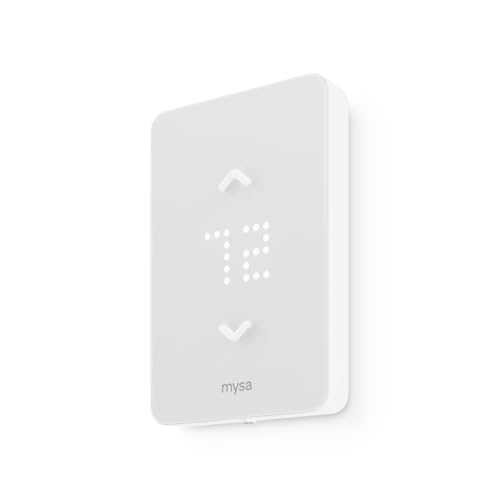
The Mysa Smart Thermostat LITE offers Wi‑Fi control for 120V to 240V electric baseboards and similar heaters, with app-based scheduling, energy reports, and smart integrations. It supports HomeKit, Alexa, and Google, enabling voice control and automation. The device is designed for line-voltage systems and helps reduce heating costs through customizable daily schedules and occupancy patterns. As an in-wall thermostat, it may require professional wiring for some installations, but it provides a modern, subscription-free control experience.
BOWSEN Programmable Thermostat With GFCI
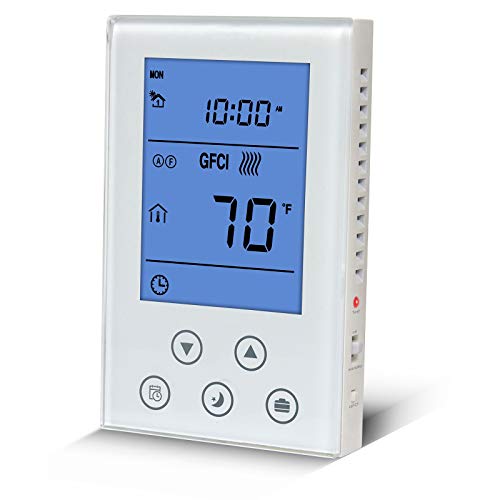
This underfloor heating thermostat supports 120/240V and up to 3600W at 240V, compatible with floor and air sensors. It includes an integrated GFCI, a built-in protection test function, and a user-tested safety emphasis. The design caters to practical safety in bathrooms or kitchens where moisture risk is higher. The device emphasizes dual-sensing for balanced comfort and safety, though setup and menu navigation may require careful reading of the manual to avoid false alarms or tripping the GFCI during initial wiring checks.
VEVOR 50 Sqft Floor Heating Mat With Smart Thermostat

VEVOR’s 50 square foot mat system features a dual-sensor thermostat with GFCI protection and a 7-day, 4-event programming option. The mat uses a pre-cut grid design and an aluminum shield for signal integrity and even heat distribution. It suits tile, stone, laminate, and vinyl floors, making it a flexible option for various rooms. The system’s efficiency stems from its compact power draw and intelligent scheduling, though installation requires careful alignment and protection of the sensor elements to ensure accurate readings.
Heatwave 40 Sqft Tile Floor Mat Kit

The Heatwave system focuses on tile-friendly installation with a 40 square foot mat suitable for bathrooms and kitchens. It includes a 7-day/4-event programmable thermostat that supports 120V systems and provides even heat distribution under tile, laminate, and more. The adhesive-backed mat simplifies placement, while the thermostat ensures a reliable schedule for daily comfort. Like other mat-based kits, ensure the subfloor is prepared correctly and that the mat is fully embedded in a compatible underlayment for best results.
Buying Guide: Key Considerations For Electric Underfloor Heating Thermostats
When selecting a thermostat for electric underfloor heating, consider system compatibility, safety, and ease of use. The following viewpoints help build a well-rounded decision:
- Voltage and current compatibility: Most residential underfloor systems run on 120V; higher-end options may support 240V. Verify maximum wattage and amperage to avoid overloading the circuit.
- Safety features: Look for GFCI protection, self-test functions, and clear fault indicators. GFCI helps prevent electric shocks in moisture-prone areas like bathrooms and kitchens.
- Sensor placement: Dual-sensing devices measure air and floor temperature for balanced comfort. Floor sensors should be placed according to manufacturer instructions to avoid inaccurate readings.
- Programming and scheduling: A 7-day or 5+ day planning horizon allows precise routines. 4-event or more per day scheduling helps tailor morning, afternoon, and nighttime warmth to daily patterns.
- Smart features and connectivity: Wi‑Fi-enabled thermostats enable remote control and energy insights. Consider whether you want HomeKit, Google Home, or Alexa compatibility, or a simple touch-screen interface.
- Installation considerations: Mat-based kits require proper substrate preparation and a compatible underlayment. Some thermostats are designed for new builds, while others suit retrofit installations.
- Warranty and service: A longer warranty signals confidence in durability. Check whether sensors and floor materials are included in the warranty terms.
- Energy savings: Compare features like occupancy sensing, weather compensation, and usage reports. Smart scheduling can significantly impact energy costs over time.
These perspectives help balance ease of installation, safety, and long-term energy efficiency. Users should assess room size, floor type (tile, laminate, stone), and environmental conditions to select a thermostat that matches both the heating system and lifestyle needs.