Best Tankless Water Heater Sales Guide for 2026–2025
Looking for the best tankless water heater sale to fit your home and hot-water needs? This guide highlights five top options across gas and electric models, from outdoor gas units to compact under-sink electric heaters. Each pick is suited for specific uses—great for households with multiple bathrooms, apartments, or spaces where space efficiency matters. Read on to compare flow rates, installation notes, and suitability to help you choose the right unit during sales periods.
Summary of selected products:
| Product | Power Type | Flow (GPM) | Best For | Notes |
|---|---|---|---|---|
| Rheem RTG-70XLN-3 Outdoor Gas | Gas | 7.0 | 2–3 bathroom homes with multiple hot-water needs | Outdoor installation; high efficiency; 160,000 BTU |
| Rheem 18kW Electric | Electric | 4.4 | Medium hot-water use for apartments or homes with limited space | Digital thermostat; self-modulating; copper elements |
| Orbek 14kW Electric | Electric | 3.38 | 1–2 fixtures; smaller homes; budget-conscious | ETL certified; energy savings features |
| CAMPLUX 6kW Electric | Electric | ≤6kW model listed | Under-sink use; apartments and offices | Self-modulating; compact; temperature display |
| Rheem 11kW Electric | Electric | 2.68 | Small homes or retrofit projects | Self-modulating; compact for tight spaces |
Note: When choosing during a sale, verify electrical or gas supply requirements, space for installation, and whether outdoor or indoor placement is feasible. The following sections detail each product to help you decide which unit to prioritize in sale events.
Rheem RTG-70XLN-3 Outdoor Gas Heater
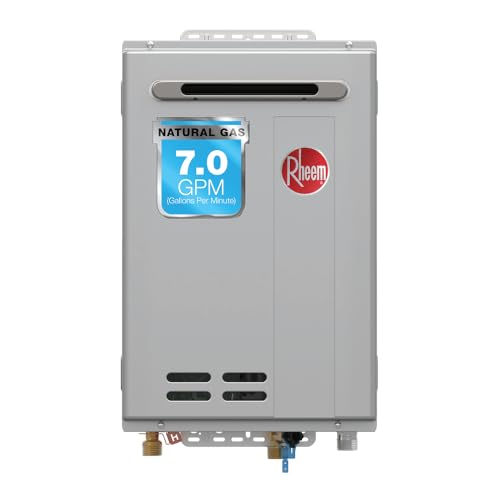
Type: Gas, outdoor installation. Flow: Up to 7.0 GPM. Power: 160,000 BTUs. Construction: Durable metal cabinet for outdoor mounting by a qualified installer. Best for households needing simultaneous hot water for multiple fixtures in a two–three bathroom home. This unit is chosen for sales visibility due to its high efficiency and robust supply. Consideration: Outdoor exposure means weather protection is essential; verify clearance and venting requirements. Suitable for peak demand periods where many hot-water tasks occur at once.
Rheem 18kW 240V Electric Heater
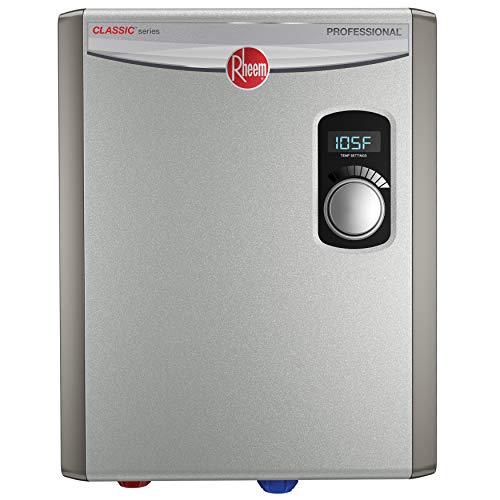
Type: Electric, indoor installation. Flow: Up to 4.4 GPM. Features: External digital thermostat with LED display, self-modulating power, copper immersion elements, field serviceable. Best for apartments or compact homes needing reliable instant hot water without gas lines. Caution: Ensure your electrical panel can support 150+ amps total circuit capacity and a 240V/60A two-pole breaker is available; improper wiring can affect performance.
Orbek 14kW Electric Tankless

Type: Electric, indoor installation. Flow: Up to 3.38 GPM. Notes: Requires 150A capacity, 240V/60A two-pole breaker, and 6 AWG wiring. Best for small homes with 1–2 fixtures and tight budget. Limitation: High amperage draw may require panel upgrade in older homes; verify electrical capacity before purchase.
CAMPLUX 6kW Electric Tankless

Type: Electric, under-sink use. Flow: 6kW rating with self-modulating tech. Best for apartments, offices, or tiny homes needing space-saving hot water near usage points. Advantage: Temperature range control and energy efficiency. Limitation: Not intended for full-house hot water; designed for single or dual fixtures with quick heat. Consideration: Check space under sink and electrical capacity to support the unit.
Rheem 11kW Electric Tankless
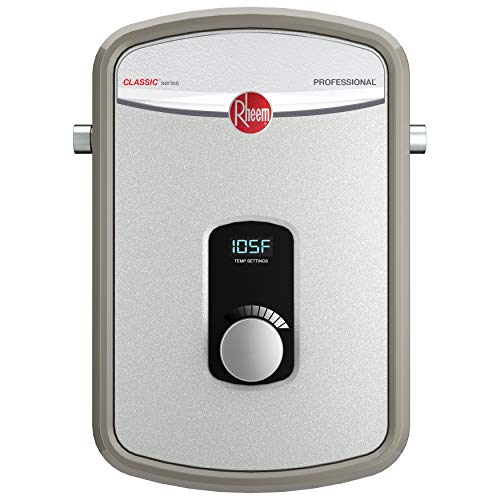
Type: Electric, indoor. Flow: Up to 2.68 GPM. Features: On/Off dial with adjustable digital temperature, self-modulating power. Best for small homes or retrofit projects needing a compact solution. Caution: May require electrical panel upgrades for higher simultaneous demand; verify available amperage before installation.
Buying Guide: Tankless Water Heater Purchases During Sales
- What fuel type fits my home: Gas units deliver higher flow in larger homes but require venting and outdoor or dedicated indoor space. Electric units are easier to install where gas isn’t available, but may demand panel upgrades for higher flows.
- How much hot water do I need: Calculate GPM by counting peak-use fixtures (showers, sinks, laundry). Choose a unit with a higher GPM than your calculated demand to avoid cold-water blasts during peak use.
- Installation space and venting: Outdoor gas models save indoor space but require weather considerations and proper venting. Electric units are typically compact but may require dedicated wiring and space under sinks or in utility rooms.
- Electrical and gas requirements: Ensure your electrical panel can handle the unit’s amperage. For gas models, verify gas line capacity and proper venting. In sales periods, installers may offer bundled services or promotions on routing and mounting.
- Maintenance and serviceability: Look for units with accessible service ports and clear manufacturer instructions. Self-modulating technology helps maintain efficiency under varying demand.
Frequently Asked Questions
- What is a tankless water heater’s main advantage? It provides hot water on demand, reducing standby energy loss compared with traditional tank heaters.
- Do all tankless heaters require venting? Gas-fired models typically require venting; electric models do not, but some may need electrical upgrades.
- Can I install a tankless heater myself? Installation complexity varies by model and building codes. Professional installation is recommended for gas units and high-flow electric units.
- What should I consider when selecting GPM? Compare your peak-use fixtures and choose a unit with a higher GPM to avoid running out of hot water.
- Are there efficiency differences between brands? Efficiency is influenced by technology such as self-modulation and heat exchanger quality; compare energy factor ratings and installation notes in product specs.
- What about warranty and service? Check the product page for warranty details and consult local service providers for routine maintenance schedules.