Best Surge Protectors for Phone Lines and Home Office Setups
In today’s connected homes, protecting communications lines like RJ11/phone and data lines is as important as safeguarding power outlets. This guide highlights surge protectors that defend phone lines, modems, fax machines, and other devices while also shielding common home office and home theater gear. Below is a quick summary of five top options, focusing on phone line protection, ease of use, and overall build quality.
| Product | Brand | Key Protection Features |
|---|---|---|
| Eaton Tripp Lite TLP1208TEL | TRIPP LITE | 12 outlets, 2160 joules, RJ11 phone line protection, 15A circuit breaker |
| Eaton Tripp Lite TLP1208TELTV | TRIPP LITE | 12 outlets, 2160 joules, RJ11 phone line, coax connectors, 6ft phone line |
| Tripp Lite DTEL2 In-Line Surge Protector | TRIPP LITE | Protects 2 lines (RJ11/RJ45), in-line design, broad line protection |
| Sanus On-Wall Low Profile Surge Protector | Sanus | 6 outlets, 1080 joules, 3 lines of protection, low profile |
| Belkin 6-Outlet Wall Surge Protector | Belkin | 6 outlets, 900 joules, 2 USB-A ports, wall-mountable |
Choosing the right surge protector for phone lines starts with understanding how many lines you need to protect, what other devices require protection, and how much space you have. The products below provide a range of RJ11 line protection, coax protection, and common power outlets to suit home offices, living rooms, and entertainment centers alike.
Eaton Tripp Lite TLP1208TEL: 12 Outlets And Phone Line Protection

The TLP1208TEL provides 12 outlets and a robust 2160 joule rating, making it suitable for home offices and home theater setups with multiple devices. It includes an 8-foot extension cord with a flat plug to fit behind furniture and behind TVs. A dedicated RJ11 line port helps protect your landline, fax, and DSL modem from dangerous data line surges, reducing the risk of disruptions from lightning or voltage spikes. The unit is UL Certified and UL Listed, offering a reliable safety net with a 15A circuit breaker and diagnostic LEDs that confirm proper grounding and protection status.
Eaton Tripp Lite TLP1208TELTV: Phone And Coax Protection For TV Setups

Designed for multi-device home theater systems, the TLP1208TELTV adds coaxial protection alongside RJ11 lines. It keeps TV, cable, modem, and Wi-Fi router equipment safer from backdoor surges that can travel through data lines. The same 2160 joules of protection and 15A circuit breaker apply, plus a 6-foot phone line and a 6-foot coax cable are included to cover essential connections without clutter. The UL certifications ensure dependable protection for sensitive electronics and network gear alike.
Tripp Lite DTEL2 In-Line Surge Protector

The DTEL2 focuses on in-line protection for two lines, RJ11 and RJ45. This makes it ideal for protecting answering machines, wired phones, LAN networks, modems, and fax machines without occupying a standard wall outlet. Its design reduces clutter by separating line protection from power protection, helping to shield data and voice lines from surges caused by lightning or ground faults. It complements a larger surge strategy when combined with a mains protector at the wall.
Sanus On-Wall Low Profile 1080J Surge Protector
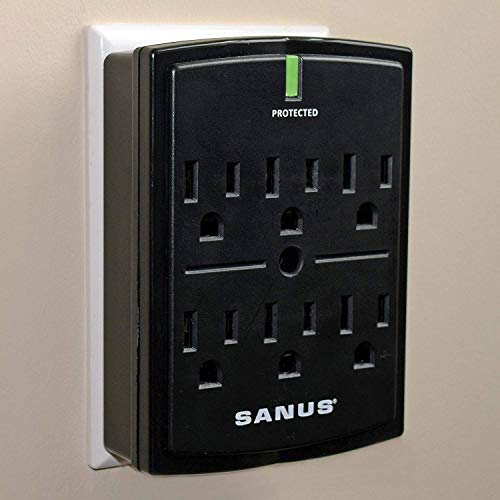
The Sanus unit is designed to mount flush to a wall, saving space in tight AV or home office areas. With six outlets and three lines of protection, it provides a layered approach to safeguarding devices that use phone lines and data connections alongside mains power. The compact, low-profile profile helps blend with furniture and media centers, making it a practical option for renters or small rooms where outlets are scarce.
Belkin 6-Outlet Wall Surge Protector With USB

The Belkin unit provides six outlets and two USB-A ports, making it a versatile option for charging phones and other peripherals while protecting a variety of devices from surges. While it emphasizes power protection, its wall-mountable design is especially convenient for desks and workstations. The 900 joules of protection keep essential devices safe from voltage spikes, and the compact form factor supports a clean, organized setup in tight spaces.
Buying Guide: Key Purchase Considerations For Phone Line Protection
When selecting a surge protector focused on protecting phone lines and data connections, consider these factors:
- Line protection coverage: Look for units with RJ11 ports (phone lines) and RJ45 for data/network lines if needed. Some models also include coax protection for cable TV and modems.
- Joule rating and surge capacity: A higher joule rating provides better long-term protection for multiple devices. For home offices with computers and network gear, 1500–2160 joules is common.
- Number and arrangement of outlets: Ensure enough outlets for peripherals, and check whether bulky transformers block adjacent outlets. Some models offer extra-wide spacing or outlets designed to accommodate large adapters.
- Built-in safety features: A resettable circuit breaker, surge protection status LEDs, and guarantee/UL listing indicate reliable protection and safe operation.
- Cable length and plug type: An adequately long power cord (6–8 feet) and flat plug designs help fit behind furniture and in tight spaces.
- Additional protections: Coax and data-line protection can prevent surges from entering via TV cables or Ethernet lines, which is especially relevant for homes with cable Internet.
- Mounting options: Wall-mountable or in-wall solutions save space and reduce clutter in living rooms and home offices.
- Compatibility with devices: Consider devices that require clean power and low EMI/RFI, such as audio gear, computers, routers, phones, and line-based equipment.
Practical installation tips include placing surge protectors near the point where lines enter the home (to guard against external surges), keeping data and power lines separate to minimize interference, and periodically testing protection indicators to ensure continued performance.