Best Sub Panel Transfer Switches for Home Backup Power
Discover the best sub panel transfer switches to connect a generator or alternate power source safely to your home’s sub panels. This guide targets homeowners planning backup power setups, contractors installing temporary or permanent power systems, and DIY enthusiasts seeking clear, objective comparisons. The top five selections below are chosen for compatibility with sub panels, ease of installation, and clear safety features.
| Product | Type | Best For |
|---|---|---|
| Reliance Controls 31406CWK | 6-Circuit Pro/Tran Kit | Small-to-mid home backup with multiple circuits |
| Nature’s Generator 12-Circuit Transfer Switch | Manual Transfer Switch Kit | Hybrid grid + stored energy setups |
| Reliance Controls 31410B Pro/Tran | 10-Circuit Indoor Transfer Switch | Residential or light commercial with expanded circuits |
| Reliance Controls TRC Indoor Transfer Sub Panel/Link | Sub panel link for 60A | Direct sub-panel integration and monitoring |
| Sekelo 63 Amp Transfer Switch | 63A Manual Transfer Switch | Higher-power portable generator or solar setups |
Reliance Controls 31406CWK 30A 6-Circuit Pro/Tran Kit
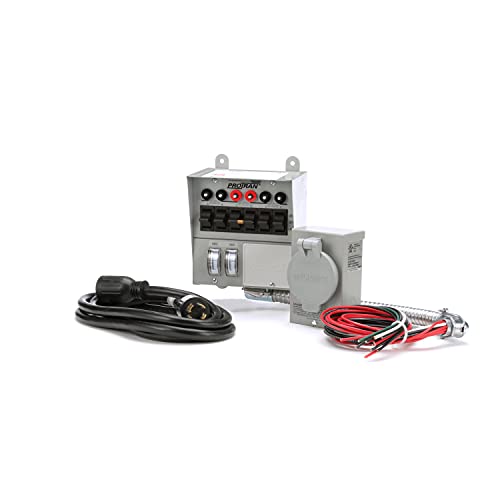
The 31406CWK is a 30-amp, 6-circuit transfer switch kit designed to feed selected circuits from a generator to a home sub-panel. Best for smaller homes or specific circuit needs, it provides a compact, organized approach to backup power. It is suitable for users who want straightforward installation without a full-house transfer solution. A noted limitation is that it supports up to six circuits, which may require a separate solution for larger homes or more complex loads. This choice is best for owners prioritizing a focused, multi-circuit transfer with reliable, manual operation.
Nature’s Generator Manual Transfer Switch 12-Circuit Kit
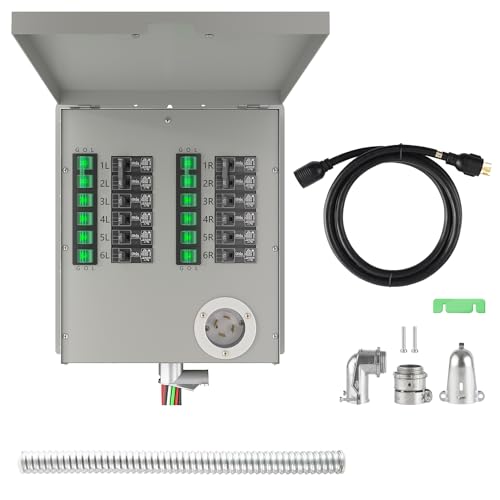
This 12-circuit manual transfer switch supports 120/240V at 30A and is UL approved. It suits homes that require a hybrid approach, integrating stored energy from a battery system with grid power. It provides safe manual switching to avoid backfeeding. Best for households using energy storage to offset utility usage, though it requires a storage system and careful circuit planning. Choose this if you want a manual, storage-enabled transfer with clear control of which circuits run on stored energy.
Reliance Controls 31410B Pro/Tran 10-Circuit 30-Amp

The 31410B is a 10-circuit indoor transfer switch rated for generators up to 7,500 running watts. It includes an 18-inch flexible conduit whip for easier attachment to the load center. This model is best for larger homes or setups needing more circuits than the compact 6-circuit kits provide. It’s a solid choice for reliable, fast installation inside an indoor space. Use this if you need more circuits and a straightforward installation path for a residential setting. A potential limitation is that it is designed for indoor use and specific generator sizing.
Reliance Controls TRC Indoor Transfer Sub Panel/Link

This transfer switch is designed for sub-panel installations with up to 60A capacity and provides a dedicated meter for monitoring power usage. It’s ideal for users who want direct sub-panel integration with a built-in load management display. The key benefit is clear load visibility, helping avoid overloading. Best for users who need tight control over multiple branch circuits in a dedicated sub-panel setup. A limitation is that it targets a specific sub-panel integration scenario and may require compatible main panels or wiring configurations.
S e k e l o 63 Amp Generator Transfer Switch

The 63A Sekelo transfer switch is designed for 120/240V systems and supports up to 15,000 watts. It features built-in overload protection with three breakers, preventing simultaneous connection of power sources. It’s best for higher-power rigs, including generator or solar backup. A caveat is that it may require more electrical knowledge to wire safely, and the interlocking breakers must be handled correctly during maintenance. Choose this if you need higher amperage in a portable or temporary power setup and want robust isolation between sources.
Buying Guide
- Power needs: Match circuit count and total wattage to your home’s load profile. Smaller homes fit 6- or 10-circuit switches; larger homes may require 12+ circuits or 60A sub-panel integration.
- Installation type: Do you want an indoor, outdoor, or sub-panel transfer switch? Consider whether a dedicated sub-panel link (TRC style) better fits your distribution panel layout.
- Manual vs. automatic: All listed options are manual transfers. If you prefer automatic switching, look for models explicitly rated for automatic operation and backfeed protection.
- Safety features: Look for overload protection, proper isolation between power sources, and clear status indicators to minimize backfeed risk and ensure safe operation during maintenance.
- Compatibility: Ensure the switch supports your generator’s wattage, voltage (120/240V), and your existing main panel or sub-panel configuration.
- Ease of installation: Some kits include flexible conduit whips and pre-wired designs, which simplify DIY installation but may still require a licensed electrician for code compliance.
FAQ
- What is a sub-panel transfer switch?
It connects a generator or alternate power source directly to a home’s sub-panel, allowing selected circuits to operate during an outage. - Do I need a sub-panel transfer switch for a whole-house generator?
Not always. For full-house backups, a larger transfer switch or automatic transfer switch (ATS) arranged with the main panel may be preferable. - Can I install a transfer switch myself?
It’s possible for some models with DIY-friendly components, but many jurisdictions require a licensed electrician for electrical code compliance and safety. - What is the difference between 6-circuit and 12-circuit switches?
The number of circuits determines how many branch circuits can be switched between sources. More circuits provide greater load management flexibility but require more complex wiring. - What does “manual transfer switch” mean in practice?
It means you physically switch the power source to the chosen circuits, rather than the system automatically selecting the power source. - Is backfeeding a risk with these devices?
Reputable transfer switches are designed to prevent backfeeding when installed correctly, but improper installation can create risks. Follow manufacturer instructions and local codes.