Best Step Down Transformer From 120V to 12V for Lighting
Choosing the right 120V to 12V step down transformer is essential for safe, reliable lighting in homes, workshops, and outdoor spaces. This guide reviews top-rated options that convert household 120V AC to a stable 12V output, suitable for low-voltage lighting and accessories. We compare wattage, protection features, weather resistance, and installation practicality so you can pick a model that fits your needs and local codes.
| Product | Brand | Voltage/Output | Wattage | Key Benefit |
|---|---|---|---|---|
| 150 Watt Step Down Transformer | PLT | 120V to 12V | 150W | |
| NVMIDTC AC/AC Transformer | NVMIDTC | 110V to 12V | 10VA | |
| Onlyfire Outdoor Landscape Transformer | Onlyfire | 110/120V to 12V AC | 60W | |
| AGPtEK 60W Transformer | AGPTEK | 110/120V to 12V | 60W | |
| HQRP Transformer | HQRP | 120V to 12V | 60W |
Note: The products listed below are representative options that align with 120V to 12V step-down needs. Always verify compatibility with your specific lighting load and required safety certifications before purchase.
PLT 150 Watt Step Down Transformer

Product: 150 Watt – Step Down Transformer – 120 Volt to 12 Volt – For Use with 12V Halogen Lamps – PLT BSET150
Brand: PLT
Output: 12V AC at up to 150W. This electronic halogen transformer provides a steady 12V output suitable for 12V halogen lamp installations. It also serves as a versatile replacement option for older or incompatible 12V transformer models, offering easy substitution in many lighting layouts. The unit emphasizes efficiency and reliable operation for continuous lighting tasks.
NVMIDTC AC/AC 12V Transformer

Product: NVMIDTC AC/AC Power Transformer – 110V to 12V, 10VA, Single Phase, Step Down, 2 Yr Warranty
Brand: NVMIDTC
Output: 12V, 10VA. UL-Certified with over-current, overload, and short-circuit protections. Suited for repairs and replacements, making it a practical choice for technicians and DIY enthusiasts. Its 12V output supports various low-voltage devices beyond lighting, including small motors or control systems when within rating.
WAC Lighting EN-1260-R-AR Transformer

Product: WAC Lighting EN-1260-R-AR Electronic Transformer, 120V – 12V, 60W Max
Brand: WAC Lighting
Output: 12V, 60W max. This transformer is designed for lighting cues and low-voltage effects. Note that installation requires an appropriate enclosure due to non-enclosed design, and it is intended for lighting applications where the transformer can be safely housed according to local electrical codes.
Onlyfire Outdoor Landscape Transformer

Product: onlyfire Outdoor Landscape Transformer 110/120V to AC 12V/5A, 60-Watt Waterproof Power Supply for LED Landscape Lighting
Brand: onlyfire
Output: 12V AC at up to 5A (60W). Combines safety with outdoor durability, featuring a weatherproof body and built-in mounting options for easy outdoor installation. Suitable for landscape lighting, pathways, and similar projects where ambient lighting needs are modest yet dependable.
AGPtEK 60W Voltage Converter Transformer
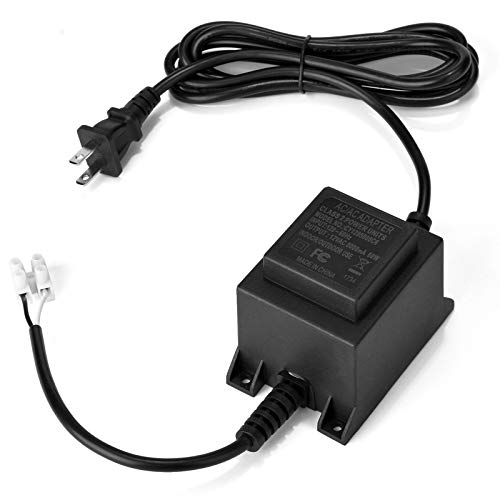
Product: AGPtEK Voltage Converter Transformer 110/120V to AC 12V/5A, 60-Watt Waterproof Power Supply
Brand: AGPTEK
Output: 12V AC at 5A (60W). Compact and designed for outdoor use, with a waterproof construction that supports landscape lighting and other external 12V devices. The unit emphasizes user-friendly installation and robust performance in varied environments.
HQRP 12V Transformer

Product: HQRP Transformer AC 120V to AC 12V 5A 60W Rainproof Power Supply
Brand: HQRP
Output: 12V AC, 5A, 60W. ETL Listed with rainproof design and dual 59-inch cords for convenient outdoor positioning. Suitable for swimming pool lights, fountains, and garden fixtures where weather resistance is essential.
Buying Guide: Key Purchase Considerations
Load compatibility and safety are paramount. When selecting a 120V to 12V transformer, consider the following:
- Wattage and current: Ensure the transformer can handle your total fixture wattage with a comfortable safety margin. For halogen or incandescent low-voltage lighting, start with a model rated above your expected load to avoid overheating.
- Voltage type: Most outdoor and landscape lighting uses AC 12V. Verify whether your fixtures require AC or DC output; mismatches can affect performance or safety.
- Protection features: Look for over-current, overload, and short-circuit protections. Built-in protection helps prevent damage to lamps and circuits during faults.
- Dry vs. damp/wet locations: Indoor models are not weatherproof. Outdoor or garden setups require weatherproof housings or rainproof ratings, such as IP-rated enclosures or purpose-built outdoor transformers.
- Enclosure and installation: Some units require mounting in an enclosure or external housing. Check enclosure requirements and clearance for heat dissipation and service access.
- Certifications: UL, ETL, or other recognized safety markings indicate compliance with safety standards. This is especially important for outdoor installations and DIY projects.
- Size and form factor: Compact units fit tight electrical spaces; however, larger loads may require taller or heavier transformers with better heat management.
- Compatibility with existing fixtures: Replacement or upgrade needs may favor transformers compatible with HD-style or legacy 12V fixtures. Ensure physical and electrical compatibility before replacing.
In summary, choose a transformer that matches your load, offers essential protections, and suits the installation environment. For outdoor landscapes, prioritize weatherproof construction and ease of mounting. For indoor lighting, ensure proper enclosure and ventilation to prevent overheating. Always follow local electrical codes and, when in doubt, consult a licensed electrician.