Best Stand Alone Home Generators for Reliable Backup Power
The following guide highlights five top stand-alone generators ideal for home backup, RV use, and off-grid scenarios. Each option includes notable outputs, fuel choices, and portability features to help you compare performance and reliability. Use this overview to identify a unit that fits your power needs, fuel preferences, and maintenance expectations.
Summary Of Chosen Products
| Product | Brand | Output (Running/Peak) | Fuel Type | Notable Features |
|---|---|---|---|---|
| Power Equipment 4400 Watts Inverter Generator | Oxseryn Store | 3400W / 4400W peak | Gasoline | Low noise, ECO mode, RV ready, 14-hour runtime |
| Generac Guardian 10kW Standby | Generac Store | 10kW / — | Natural Gas or LP | Wi-Fi monitoring, 100A transfer switch, long warranty |
| A-iPower 4600W RV-Ready | A-iPower Store | 3600W / 4600W peak | Gasoline | CO sensor, lightweight, inverter power |
| Westinghouse 14500 Peak Tri-Fuel | Westinghouse Store | 11,500W / 14,500W peak (gas) | Gas, Propane, Natural Gas | Three-fuel capability, long runtime, remote start |
| Another 4400-Watts Inverter Generator | Oxseryn Store | 3400W / 4400W peak | Gasoline | Open frame, 2-gallon tank, RV ready, eco mode |
These models span portable inverters and larger standby options, offering a range of runtimes, fuel choices, and convenience features to suit different scenarios—from quick home backup to full-house power protection.
Power Equipment 4400 Watts Inverter Generator

This open-frame generator delivers 4400 peak watts and 3400 running watts, making it suitable for RVs, camping, and essential home backup tasks. It includes multiple output options: two 120V AC outlets, a 12V DC port, and an RV port for trailer connections. The unit features a 2-gallon fuel tank with a fuel gauge for quick status checks and an ECO mode to extend runtime by dialing back throttle when demand is low. With low-noise operation and a compact design, it balances portability with solid power delivery for small to mid-size power needs.
Key features include:
– 4400 peak watts and 3400 running watts
– ECO mode for efficient fuel use
– Multiple outputs, including an RV-ready port
– Up to 14 hours of runtime at 25% load
– 2-gallon tank with fuel gauge
Generac Guardian 10kW Standby Generator

Generac’s 10kW standby solution is designed for automatic whole-house protection during outages. It integrates with a 100 Amp transfer switch to manage circuit load seamlessly and features Wi-Fi enabled Mobile Link remote monitoring for status updates and maintenance alerts wherever you are. The rugged aluminum enclosure is built for outdoor use, and Generac backs this system with a five-year limited warranty for added confidence in long-term performance.
Key features include:
– 10kW automatic operation with whole-house transfer switch
– Remote monitoring via Wi-Fi
– Durable outdoor enclosure
– Five-year limited warranty
– Suitable for storm outages and extended power loss
A-iPower 4600W RV-Ready Portable Inverter
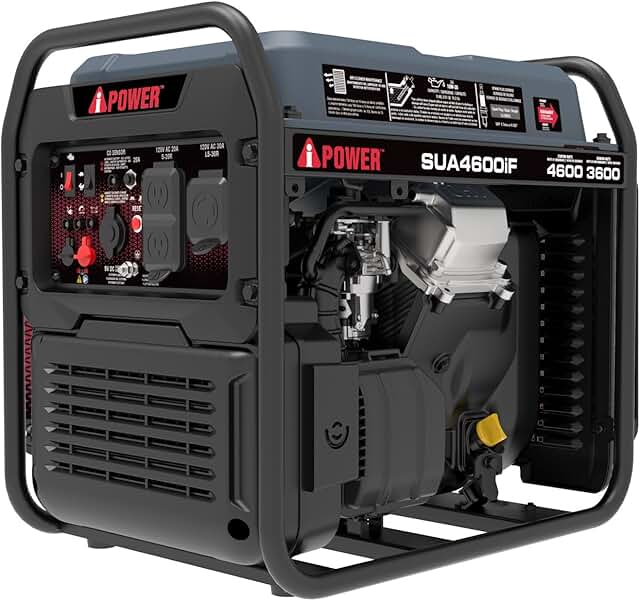
The A-iPower unit delivers 4600 starting watts and 3600 running watts, providing robust AC power for RV appliances and home backup. At roughly 56 pounds, it remains portable for camping trips and off-grid use. Inverter technology ensures clean power with a 3% THD rating, making it safe for laptops, TVs, phones, and other sensitive electronics. It’s designed with CO monitoring for added safety during operation.
Key features include:
– 4600 starting watts / 3600 running watts
– Inverter technology with 3% THD
– Lightweight at about 56 lbs
– RV-ready with essential power outlets
– CO sensor for safety
Westinghouse 14500 Peak Tri-Fuel Generator

This tri-fuel portable generator offers significant power for larger homes or extended outages. It supports gasoline, propane, and natural gas and delivers up to 14,500 peak watts and 11,500 running watts on gasoline. Propane and natural gas variants provide flexibility during fuel shortages. A long runtime is possible on a full tank, and the model features a remote electric start for convenient operation from a distance.
Key features include:
– Tri-fuel capability (gasoline, propane, natural gas)
– 14,500 peak / 11,500 running watts (gas)
– Remote electric start
– Long runtime on a large fuel tank
– Transfer switch ready for home integration
4400-Watts Inverter Generator With RV Ready Output
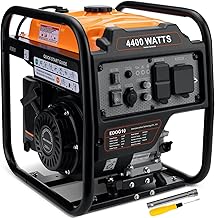
This 4400-watt inverter again targets home backup and RV use with a 2-gallon fuel tank, offering 14 hours runtime at 25% load. It includes a 30A RV outlet in addition to standard 120V outlets, providing flexibility for motorhomes and trailers. The unit uses ECO mode and inverter technology to deliver clean power for sensitive electronics and efficient operation for shorter outages or weekend camping.
Key features include:
– 4400 peak watts / 3400 running watts
– 2x 120V outlets and 30A RV outlet
– 14-hour runtime at 25% load
– ECO mode and inverter technology
– EPA compliant and suitable for RV use
Buying Guide: Key Purchase Considerations
- Power needs: Determine whether you need portable backup power for a few appliances or whole-house support. Match running watts to the total wattage of devices you intend to run simultaneously.
- Fuel type and availability: Gasoline units offer portability, while standby models use natural gas or propane for continuous fuel supply. Consider fuel efficiency and refill frequency for your typical outage duration.
- Portability vs. capacity: Portable inverter generators are light and quiet, ideal for RVs and small homes. Heavier standby or tri-fuel units provide higher power and resilience but require installation or dedicated space.
- Run time and efficiency: Look for ECO or economy modes to extend runtime. Larger fuel tanks increase endurance for longer outages but add weight and size.
- Safety features: CO sensors, low-oil shutdown, and inverter clean power (low THD) protect sensitive electronics and reduce risk in use scenarios.
- Connectivity and monitoring: Wi-Fi or remote monitoring helps track performance, maintenance needs, and fuel levels, especially for backup systems far from the living area.
- Ease of maintenance: Consider warranty length, service availability, and whether the design supports simple oil changes, parts replacement, and filter maintenance.
- Noise level: Inverter generators generally operate quieter than traditional generators, which is important for residential use and camping.
- Installation and compatibility: For standby units, ensure transfer switches, permits, and space requirements align with home electrical standards and local codes.
By evaluating these considerations, you can select a generator that aligns with your power goals, space, and budget. The options above cover portable inverter models for camping and small backup needs, as well as larger standby and tri-fuel configurations for more comprehensive home protection.