Best Stainless Steel Tankless Water Heaters for Home Use
Smart, durable, and efficient, stainless steel tankless water heaters deliver on-demand hot water with strong corrosion resistance. This guide highlights five strong options that suit different homes and budgets. It targets buyers seeking solid stainless-steel construction, energy efficiency, and reliable performance for residential use. Each option includes who it’s best for, why it was selected, and practical considerations.
| Product | Best For | Why This Choice |
|---|---|---|
| Propane Tankless Water Heater (forimo) | Homes with propane supply; mid-size hot-water needs | 4.21 GPM, up to 75℃ rise, stainless steel construction with digital display and safety protections |
| Rheem RTGH68DVLN3701169 | Mid-to-large households; natural gas | Up to 6.8 GPM, 120V ignition, stainless steel, broad flow range |
| Rinnai RE180eP | Outdoor installations; compact high-output needs | Up to 8.5 GPM, stainless steel, LED display, energy-efficient design |
| BISELONG 2.5-Gallon Mini Tank | Under-sink spaces; small-volume hot water | Stainless steel, rapid recovery, energy-saving smart inverter, compact footprint |
| Rinnai REP199eN Smart-Circ | Homes with recirculation goals; outdoor setup | Up to 7.9 GPM, built-in recirculation, stainless construction, WiFi-ready control |
Propane Tankless Water Heater, Forimo

The Forimo propane tankless unit is built with stainless steel and includes a Fahrenheit digital display for easy temperature control. It offers 4.21 GPM with safety protections like flame failure and overheating protection. Best for households that rely on propane and need hot water for 2–3 fixtures simultaneously. It’s a solid option when gas supply is steady and venting is managed appropriately. A potential limitation is that performance depends on incoming water temperature and propane supply pressure.
Who it’s best for and why
- Best for propane-powered homes needing affordable on-demand hot water for bathrooms and kitchens.
- Better for smaller families or apartments where space and efficiency matter.
Rheem RTGH Series 6.8 GPM

This Rheem model offers a flexible flow range from 0.4 to 6.8 GPM and an adjustable temperature span, typically defaulting around 120°F. Its stainless steel design supports durability in residential installations and its electric ignition simplifies operation. Best for mid-to-large homes that require a wider range of hot-water supply and a straightforward install. Limitation: performance can vary with cold incoming water temps and long pipe runs, which may reduce GPM at high demand.
Rinnai RE180eP Non-Condensing Propane Tankless

Rinnai RE180eP is designed for outdoor installation and delivers up to 8.5 GPM with a compact footprint. Stainless steel construction helps resist corrosion, and LED display supports service reminders and error codes. Choose this if you want robust outdoor operation with a larger hot-water capacity. Caution: outdoor exposure requires weatherproofing and proper venting to maintain efficiency and safety.
BISELONG Under-Sink Mini Tank
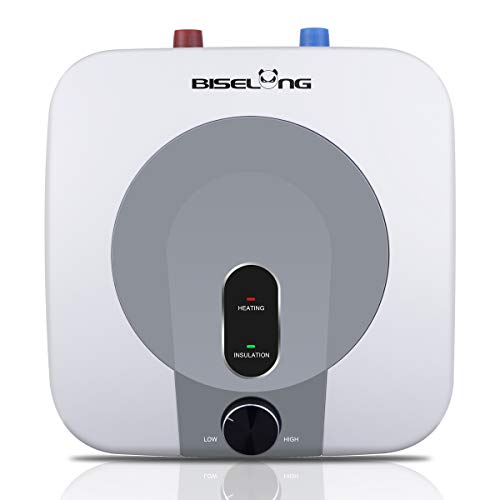
The BISELONG 2.5-gallon under-sink unit provides rapid temperature recovery with a 1500W “L” shaped heating element and a 0.04 inch thick stainless steel tank. It is designed to heat water quickly for two sinks at once, making it a practical fit for compact kitchens, RVs, or food trucks. Best for small spaces that require on-demand hot water without a large installation footprint. Limitation: capacity is limited, so high simultaneous demand may require additional units or alternative solutions.
Rinnai REP199eN Smart-Circ

The REP199eN includes Smart-Circ intelligent recirculation and up to 7.9 GPM, making it suitable for households that want fast hot water at fixtures far from the heater. The stainless steel build supports durability in outdoor installations, and the built-in recirculation reduces wait times. Best for homes seeking energy efficiency with convenient recirculation features. Caution: outdoor units require weather protection and proper maintenance of the recirculation pump to sustain efficiency.
Buying Guide: Stainless Steel Tankless Water Heaters
What size GPM do I need?
GPM needs depend on the number of fixtures you want to serve simultaneously and their temperature rise. For small homes with 1–2 bathrooms, 4–6 GPM is often sufficient. Larger households or multiple simultaneous uses may require 6–8+ GPM models.
Indoor vs outdoor installation
Outdoor units save indoor space and simplify venting but require weatherproofing and protection from the elements. Indoor units offer quieter operation and often require venting considerations. Stainless steel helps resist corrosion in exposed environments.
Fuel type and venting considerations
Propane, natural gas, and electrical options exist. Ensure your home has the appropriate fuel line and venting path. Stainless steel construction improves longevity in corrosive or humid settings.
Energy efficiency and safety features
Look for advanced protections such as flame failure devices, overheating protection, and digital temperature controls. Energy-saving features include efficient heat exchangers and smart controls or recirculation options where applicable.
Installation and maintenance
Consider service accessibility, warranty terms, and whether professional installation is required by local codes. Regular vent inspection and periodic descaling help maintain performance in hard water areas.
Which option should you choose?
For propane users with mid-range needs, Forimo offers a balanced choice with safety features. For higher flow needs on natural gas, Rheem RTGH68DVLN delivers robust performance. Rinnai RE180eP provides a compact outdoor solution with strong capacity. BISELONG is ideal for space-constrained under-sink setups. Rinnai REP199eN adds recirculation for quick hot water across fixtures and is suited for homes prioritizing convenience and energy efficiency.
Quick FAQ
- What is the typical lifespan of a stainless steel tankless heater?
Most units last 10–15 years with proper maintenance, though this varies by model and water quality. - Do these units require venting?
Yes, most gas models require proper venting; check local codes and installation requirements. - Can I install a tankless water heater myself?
Some models allow DIY install, but many jurisdictions require licensed installation for gas or propane units. - Will stainless steel prevent corrosion?
Stainless steel improves corrosion resistance, but water chemistry and installation conditions still matter for longevity. - Is recirculation beneficial for all homes?
Recirculation helps reduce wait times for hot water, especially in larger homes, but adds energy use and cost considerations. - What maintenance steps are essential?
Regular descaling in hard water areas, inspecting venting, checking connections, and verifying safe operation.