Best Solar-Powered Water Tank Heaters for Livestock: Efficient Cold-Weather Hydration Solutions
Answering the needs of farmers and livestock owners, this guide highlights practical heaters for keeping water unfrozen in cold weather. While several options here are electric, they are chosen for reliability, safety, and energy efficiency in farm settings. The top picks are best for operators managing 100 to 300-gallon stock tanks, Rubbermaid tanks, or buckets, and for anyone seeking dependable water access for cattle, horses, goats, and poultry. Read on to see which model fits your operation and climate, plus a quick buying guide to help you compare features and limitations at a glance.
Summary table of selected products (quick comparison):
- Farm Innovators 1500W Cast Aluminum Submergible Water Tank Heater Deicer — Best overall for durability and self-regulating safety in outdoor tanks.
- API Miller Floating 1500W Tank Heater — Best for large stock tanks (100–300 gallons) with a surface-floating design.
- Farm Innovators Submergible Bucket Heater 1000W — Best for small containers (up to 5 gallons) with thermostatic control.
- Farm Innovators DPH-15 Rubbermaid Tank 2-Pack — Best for Rubbermaid tanks, energy-saving and easy to install.
- Qanskm 1000W Submergible De-Icer — Best value multi-use option for varied containers with auto temp control.
Farm Innovators 1500W Cast Aluminum Submergible Heater

Best for: Farm operations needing a robust, long-lasting tank deicer for outdoor water sources. This 1500-watt model uses cast aluminum for rust resistance and heat conduction, paired with a built-in self-regulating thermostat that activates near freezing. It’s ideal for larger livestock water tanks exposed to winter conditions.
Why selected: Durable construction, reliable performance, and automatic regulation reduce energy use while maintaining an ice-free water supply for cattle, horses, and other livestock.
Caution: Submersible hardware requires proper installation to prevent water intrusion and ensure safe operation around animals.
Miller Floating 1500W Tank Heater

Best for: Large 100–300 gallon stock tanks that need a dependable floating deicer to maintain water accessibility in winter.
Why selected: Designed to float on the water surface with a rugged, enclosed float; this setup helps prevent water icing and keeps hydration steady for livestock.
Caution: Floating devices may require periodic repositioning to avoid snagging in some tank shapes or debris.
Farm Innovators Submergible Bucket Heater

Best for: Small containers, such as 5-gallon buckets, used for water in cold months on hobby farms or raised-poultry setups.
Why selected: 1000-watt thermostatic control heats only when needed, keeping water between about 100 and 110 degrees Fahrenheit for efficient use and animal comfort.
Caution: Limited to smaller volumes; not suitable for large stock tanks.
Farm Innovators DPH-15 Rubbermaid Tank Heater Pair

Best for: Rubbermaid and similar plastic tanks used for livestock water in winter, especially where two tanks require simultaneous de-icing.
Why selected: A 2-pack of 1500-watt drain plug de-icers provides simultaneous, thermostatically controlled heating, helping conserve energy and time on larger operations.
Caution: Compatible primarily with Rubbermaid-style tanks; confirm tank dimensions before purchase.
Qanskm 1000W Submergible De-Icer
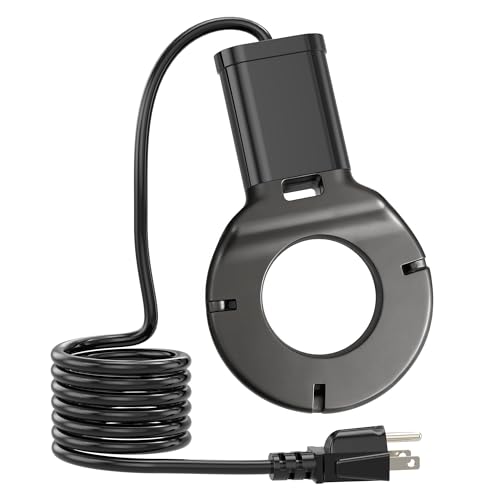
Best for: Versatile use across multiple containers from 5 to 50 gallons, including bird baths and small stock tanks.
Why selected: Auto temperature control starts at 35°F and stops near 77°F, delivering noticeable energy savings while keeping water available for livestock and wildlife.
Caution: 1000W may be insufficient for very large tanks in extremely cold climates; evaluate tank size and climate before choosing.
Buying Guide: Key Considerations for Solar-Powered Water Heating Solutions
Note: Most listed products are electric de-icers rather than solar-powered. For solar-fueled setups, look for compatible solar panels, battery storage, and optimizers that can run pond or stock-tank heaters during daylight hours. When evaluating options, consider tank size, climate, animal type, and energy costs.
How to choose by tank size and climate
- Tank capacity: Choose 100–300 gallon ratings for farm stock tanks; smaller tanks favor bucket heaters.
- Climate: In freezing climates, higher wattage (1000–1500W) units with self-regulating thermostats reduce risk of refreezing.
- Tank material: Aluminum and plastic-compatible units prevent corrosion and leaks in outdoor environments.
Safety and installation considerations
- Submersible vs floating: Submersibles heat water directly; floating models reduce submersion risk in debris-filled tanks.
- Thermostatic control: Auto on/off helps prevent overheating and lowers electricity use.
- Placement: Ensure cords and plugs are protected from moisture and reach power sources safely.
Energy efficiency and operating costs
- Auto-regulation decreasing standby energy is a common feature; look for terms like “thermostatically controlled” or “self-regulating thermostat.”
- Consider using a timer or weather-based controller to synchronize heat cycles with daylight hours for solar setups.
What to ask before buying
- Is the heater rated for the specific tank type (Rubbermaid, plastic, metal) you own?
- What is the maximum environment temperature where the unit maintains performance?
- Does the model supply a sufficient temperature range for the animals’ water needs?
FAQ
- Do these heaters work in extremely cold climates?
- Can I use these in plastic water troughs?
- Are there safety concerns for livestock with submersible heaters?
- What is the typical energy use for these heaters?
- Can I pair these with solar power?
- What size tank should I choose if my herd grows?
Yes, most models are designed to prevent water freezing at typical farm winter temperatures, with thermostatic controls aiding energy efficiency.
Yes, many units are compatible with plastic, rubber, and metal tanks, but confirm compatibility with your specific trough model.
Best practices involve proper installation and monitoring to prevent electrical hazards and ensure the heater remains submerged as designed.
Energy use varies by wattage and thermostat behavior; self-regulating models minimize unnecessary heating, reducing consumption.
Yes, solar can be used with appropriate controllers, batteries, and inverters to run de-icers during daylight hours or on sunny days.
For growing herds, plan for larger tanks (100–300 gallons) and consider a floating or higher-wattage submersible model for reliable ice prevention.