Best Solar Power for Van: Reliable Off-Grid Energy Options
For van life and RV adventures, dependable solar power can keep devices charged, refrigerators running, and lights on without hunting for outlets. This guide covers top solar power products that fit compact spaces, deliver steady output, and work well with van setups. Explore a mix of portable power stations and high-efficiency solar panels designed for off-grid living, camping, and road trips. Below is a quick overview of five strong choices and what to consider when buying.
| Product | Type | Capacity / Output | Best For |
|---|---|---|---|
| ZeroKor 300W Portable Power Station | Portable power station | 280Wh, 300W AC | Off-grid charging, USB/AC outlets |
| Renogy 200W N-Type Solar Panel | Solar panel | 200W, 24V | Space-saving van roof installs |
| OUPES Mega 1 Portable Power Station | Portable power station | 1024Wh LiFePO4 | High-capacity backup and road trips |
| Anker SOLIX C1000 Gen 2 | Portable power station | 1024Wh LiFePO4, 2000W output | Fast recharging and multiple devices |
| Renogy Adventurer 200W Kit | Solar panel kit + controller | 200W panel, PWM controller | RV, camper, off-grid charging |
These products were selected for van-friendly use: compact design, robust output, and compatibility with common van electrical setups. The list balances portable power stations with efficient solar panels, offering flexible options for roof-top installs or mobile charging on the road.
ZeroKor 300W Portable Power Station

The ZeroKor unit combines a 280Wh lithium battery with a foldable 60W solar panel, delivering a compact, lightweight solution for van needs. It offers two 110V/300W AC outlets, a DC port, and multiple USB ports, including a quick-charge option for phones and tablets. The built-in flashlight with SOS mode adds emergency capability for nighttime use. This option is suitable for charging essential devices on short trips or as a supplementary power source when the main solar array is limited.
Charging options include wall AC, DC5521 solar input, and car charging, making it versatile for different travel scenarios. Note the maximum continuous load guidance; high-watt appliances like hair dryers or espresso machines may exceed the unit’s continuous output and reduce performance. This model is best for essential electronics, lighting, and small appliances in a van setup.
Renogy 200W N-Type Solar Panel

This 200W solar panel uses N-type cells and 25% efficiency, delivering strong energy conversion in a compact, space-saving form. The 24V configuration reduces current losses and improves overall system efficiency, particularly in variable light. It’s designed to work with 12V and 24V battery setups, offering flexible installation for Class B vans, campers, and RV roofs. The smaller, lighter footprint helps maximize roof space while maintaining solid performance in coastal or desert conditions.
Key features include high energy density, corrosion-resistant framing, and compatibility with popular battery systems. The panel’s efficiency supports quicker solar charging for compatible power stations, helping keep fridge compressors, laptops, and lights powered on longer trips. Consider pairing with a compatible charge controller for a seamless van installation.
OUPES Mega 1 Portable Power Station
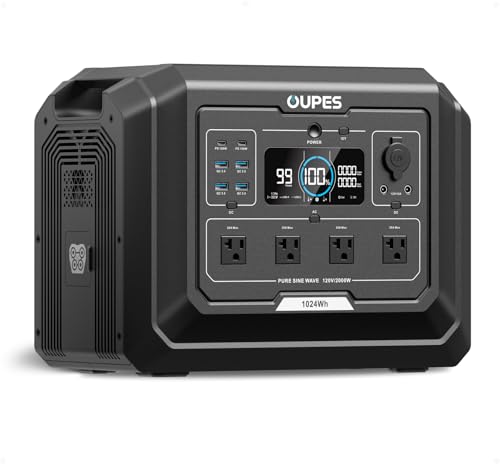
The OUPES Mega 1 is a high-capacity power hub with a 1024Wh LiFePO4 battery and up to 2000W AC output (4500W peak). Its rapid charging can reach 0-80% in roughly 36 minutes, depending on the charging source. This makes it well-suited for longer van trips, remote camping, and emergency backup. The expandable design (with optional add-ons) supports growing energy needs as you upgrade equipment or lengthen trips.
With multiple output ports, it can run essential appliances like mini-fridges, CPAP machines, and small power tools. The LiFePO4 chemistry offers longer cycle life and improved thermal stability, which is valuable when operating in warm climates typical of many American road trips. For van users, pairing this unit with a roof or portable panel system creates a robust off-grid power solution.
Anker SOLIX C1000 Gen 2 Portable Power Station

The Anker SOLIX C1000 Gen 2 provides a strong blend of capacity and speed, featuring a 1024Wh LiFePO4 battery and 2,000W continuous output with a 3,000W peak. It supports rapid recharging through HyperFlash, enabling full recharge in a short time. Its design emphasizes portability and user-friendly controls, making it easy to place in a van cabin or under seating while keeping cables organized.
With multiple ports distributed across AC, USB-C PD, USB-A, and DC outlets, it can power a range of devices—from cameras and drones to small kitchen gadgets. The C1000 Gen 2 is a reliable backbone for off-grid living, offering durable construction and compatibility with popular solar panels for modular charging strategies inside a van or RV.
Renogy Adventurer 200W Kit
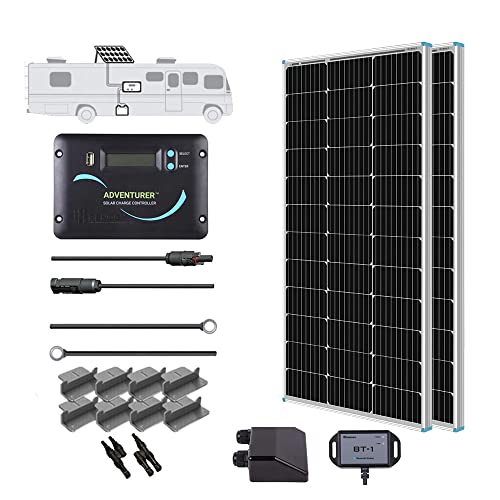
The Renogy Adventurer Kit combines a 200W RV solar panel with a 30A PWM charge controller, plus mounting brackets for a clean installation on a van or trailer. The kit is designed for smaller-footprint roofs and offers corrosion-resistant framing to withstand outdoor conditions. With an 800Wh daily output estimate under favorable sun, it’s a practical choice for steady, low-profile energy on road trips.
Protection features include overcharge, over-discharge, and short-circuit safeguards to help maintain battery health. This kit appeals to van owners who want a simple, pre-packaged solar upgrade that’s easy to install and reliable for daily use. It pairs well with compact power stations for a balanced, scalable system.
Buying Guide: Key Purchase Considerations
When choosing solar power for a van, consider these perspectives to balance space, performance, and budget:
- Power needs: List essential devices and their wattage. For simple cooling, lighting, and charging, smaller stations and panels may suffice. For fridge-heavy or multi-device setups, higher-capacity packs are advisable.
- Portability vs. capacity: Portable power stations offer flexibility but may require more frequent recharging. Higher-capacity units provide longer runtime but can be heavier and bulkier.
- Charging options: Look for multiple charging paths (AC, DC, car, and solar) to ensure you can recharge in diverse locations. Quick charging improves readiness after long drives.
- Solar panel efficiency: Higher efficiency panels deliver more energy in limited space, which matters for van roof installs. Foldable and flexible designs can ease transport and placement.
- Battery chemistry and lifecycle: LiFePO4 batteries typically offer longer cycle life and better thermal stability, which matters for frequent use in varying climates.
- Durability and weather resistance: Van setups must endure road vibrations, wind, and weather. Look for robust enclosures, corrosion-resistant frames, and water resistance where applicable.
- System expandability: If you anticipate growing your energy needs, choose components that can scale—e.g., modular power stations or add-on panels.
- Compatibility: Ensure panels, controllers, and power stations are compatible (voltage, connectors, and charging protocols) to avoid bottlenecks in charging.
- Portability vs. rooftop install: Roof-mounted panels save space but may require professional installation. Portable kits offer flexibility for parking or roadside setups.
In summary, the best solar power setup for a van balances a capable power source with space-efficient panels. A modular approach—combining a reliable power station with a high-efficiency panel—provides flexibility for current trips and future upgrades. Always confirm compatibility with your van’s electrical layout and any existing batteries or converters to ensure a safe, efficient system.