Best Solar Portable Power Supply Options for Outdoor Power on the Go
When you need reliable off-grid power, a solar portable power supply offers a versatile, quiet, and clean energy source. This guide highlights five top options that balance capacity, portability, and versatility for campers, RVers, travelers, and emergency prep. Each pick is best for different scenarios—short weekend trips, extended camping, or home backup power. Below, see a concise buyer’s table and then detailed profiles to help you choose.
Summary table of selected products:
- MARBERO Portable Power Station 88Wh (Slim, ultra-portable, multiple outputs)
- MARBERO Portable Power Station 237Wh (Higher capacity, more outlets, built for longer use)
- ZeroKor 300W Portable Power Station (Balanced AC/USB/DC outputs, solar and car charging)
- DARAN Portable Power Station 89.6Wh LiFePO4 (Lightweight, fast charging, clear display)
- Takki Solar Generator 88.8Wh with 21W Panel (Compact, fast charge, included panel)
MARBERO 88Wh Slim Solar Power Station
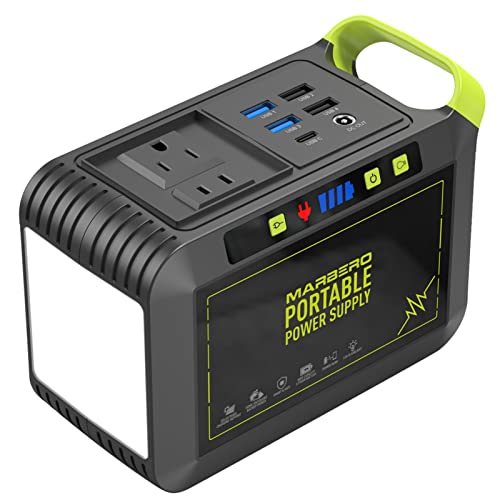
The MARBERO 88Wh unit is designed for ultra-portable use. It weighs about 3.2 pounds and measures roughly the size of a compact camera body, making it easy to carry on hikes, road trips, or simple home backup. It offers eight simultaneous outputs and a built-in battery management system for safety. USB, USB-C PD, and two AC outlets cover charging needs for phones, tablets, laptops, small appliances, and a car refrigerator in emergencies. Best for: travelers and campers who need a lightweight, ready-to-go power bank with multiple outputs. Limitation: with 88Wh, it’s best for short trips or incidentals rather than heavy-load devices for extended outages.
Key features drawn from the listing:
- Efficient charging: 0–80% in about 2 hours with included adapter; supports solar panel charging options.
- Compact, portable design with ergonomic handle.
- Eight output ports and a safe, stable power supply via built-in BMS.
- Car DC charger output cable included for mobile use in vehicles.
ZeroKor 300W Portable Solar Generator

The ZeroKor 300W generator delivers a strong balance of AC outlets, USB ports, and solar charging capabilities. Its 280Wh battery pack supports multiple devices such as phones, tablets, laptops, and small camping gear. A 60W solar panel is included in some packages, and a variety of charging options—home AC, car, and solar—make it well-suited for off-grid trips, off-grid cabins, or RV use. Best for: mid-range power users who need multiple ports and flexible charging without sacrificing portability. Caution: the unit may struggle with higher-wattage appliances beyond a few hundred watts, so plan for devices under 300W total.
What makes it stand out:
- Two AC outlets plus DC and USB options for diverse devices.
- Expandable charging with solar and car inputs, plus a built-in MPPT feature for solar efficiency.
- Compact handling with a handle for portability; suitable for off-grid adventures.
BLAVOR 10,000mAh Solar Power Bank

BLAVOR focuses on compact personal power with robust charging options. The 10,000mAh capacity, USB-C input/output, and multiple USB outputs support simultaneous charging of multiple devices. While smaller than the MARBERO and ZeroKor models, its lightweight design fits into a daypack for camping trips or emergency kits. Best for: solo travelers or light-pack campers needing a small, fast-charging, multi-device charger. Limitation: not ideal for powering higher-wattage gear for extended periods.
Highlights from the listing:
- USB-C input/output with 20W fast charging capability.
- Supports charging three devices at once via multiple outputs.
- Compact form factor with reliable battery chemistry for daily carry.
DARAN 89.6Wh LiFePO4 Power Bank

The DARAN portable power station uses a LiFePO4 battery for longer life and stability. At 89.6Wh, it provides seven outputs, including two AC sockets and multiple USB ports. Its slim, pocketable design weighs about 2.5 kilograms and includes a bright LED display to show status and remaining power. Best for: users who want a reliable, safe, and fast-charging power source with easy visibility of power levels. Caution: plan around the 100W continuous rating when powering heavy devices; solar panel not included in some configurations.
Core attributes:
- Dual AC outlets plus versatile USB and DC ports.
- LiFePO4 battery for extended cycle life and safety.
- Fast charging with multiple input sources and LED status display.
Buying Guide: How to Choose Your Solar Portable Power Supply
What capacity fits your needs? Consider your typical use: a weekend trip with smartphones and a mini cooler may thrive on 80–100Wh, while longer adventures or home backup requires 200–300Wh or more. If you plan to run laptops or small appliances, prioritize higher wattage and multiple AC outlets. Look for a unit with a clear LED display, BMS protection, and a robust MPPT charging option for efficient solar recharging.
Which recharging methods are essential? A power bank that supports AC input, USB-C PD input, car charging, and solar input provides the most flexibility. For true outdoor use, a panel compatible with the unit and safe, fast solar charging matters. If you often use the device inside a car or RV, car charging continuity is a key advantage.
Portability versus capability: Slim, light units ease transport but may cap capacity. Heavier packs deliver more power and outlets but require more space. Choose based on your typical activities—camping, tailgating, or emergency home backup—and how much weight you’re willing to carry.
Safety and durability: A durable shell, a built-in BMS, and LiFePO4 chemistry (where available) help extend life and protect connected devices. Weather resistance and sealed ports improve reliability in rain or dust. Ensure you follow the manufacturer’s charging guidelines to maximize lifespan.
Practical purchase considerations
- Output options: Ensure the unit has the combination of AC, USB-C PD, USB-A, and DC ports you need.
- Charge speed: Look for fast charging and an efficient solar charging mode to minimize downtime.
- Weight and form factor: Balance portability with capacity for your use case.
- Panel compatibility: If you expect solar charging, confirm panel compatibility and any included panels.
- Maintenance and lifecycle: Consider battery chemistry and expected cycle life for long-term reliability.
FAQ
- What is a solar portable power supply? It is a compact energy storage device that charges from a solar panel or AC power and provides power to USB, DC, or AC devices away from grid power.
- How many devices can I charge at once? This depends on the model; many offer multiple USB ports plus one or more AC outlets. Check the total continuous wattage rating for simultaneous use.
- Can I use solar charging every day? Yes, many units are designed for regular use, but always monitor battery health and follow manufacturer guidelines for cycling and storage.
- Is LiFePO4 better than lithium polymer for these devices? LiFePO4 typically offers longer cycle life and stability, making it a preferred choice for frequent use and higher cycle counts.
- What safety features should I look for? A built-in BMS, short-circuit protection, over-discharge protection, and proper ventilation are important considerations for safe operation.
- Do these power supplies power high-wattage appliances? Most small to mid-range units work best with devices under a few hundred watts. For higher loads, choose a model with higher continuous wattage and peak power ratings.