Best Solar Panels for Trail Cameras: Reliable Outdoor Power on the Go
Seasonal hunting and security setups demand steady, maintenance-free power. The right solar panel system can keep trail cameras online through changing weather, long nights, and remote locations. This guide reviews five top options that balance durability, compatibility, and ease of use. Each section explains core features, ideal use cases, and what to consider when choosing a panel for your trail camera setup. A concise buying guide at the end helps you compare options and select the best fit for your outdoor needs.
Summary of selected products
| Product | Brand | Key Strength | Best For |
|---|---|---|---|
| WingHome Trail Camera Solar Panel | WingHome | Integrated battery, universal 6V/12V compatibility | All-season field use |
| Stealth Cam Sol-Pak Solar Battery Pack | Stealth Cam | Rechargeable 3000 mAh battery, 12V panel | Extended field life |
| Runpower 8W Solar Panel Kit | Runpower | 8W panel, 72Wh battery, Type-C & DC outputs | Type-C devices and cameras |
| SPYPOINT Solar Panel (SPLB-10) | SPYPOINT | Integrated solar panel and battery in one package | Compact, all-in-one setup |
| Rhorawill 6W/12V Solar Panel Kit | Rhorawill | 6V/12V outputs, 6000 mAh built-in battery | Universal outdoor power |
WingHome Trail Camera Solar Panel Kit
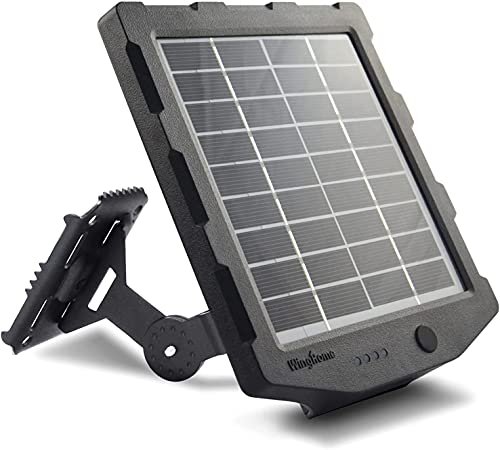
The WingHome solar panel kit is designed for universal compatibility with 6V or 12V trail cameras and security cameras. Its built-in 2000 mAh rechargeable lithium battery provides a compact, all-in-one power solution. The kit supports common connector standards, including 4.0×1.7mm and 5.5×2.1mm plugs, making it suitable for WingHome and many third-party models. The key appeal is steady solar charging that helps reduce battery purchases over an entire season. With IP66 protection, it stands up to rain, dust, and temperature swings in outdoor environments.
Who should consider it: users seeking a simple, wallet-friendly solar option with an integrated battery and broad compatibility. The built-in battery is helpful when you expect periods of limited sunlight, though some users may prefer larger backup capacities for extended cloudy stretches. In sunny, remote settings, this kit promises dependable power without complex wiring or frequent battery changes.
Stealth Cam Sol-Pak Solar Battery Pack
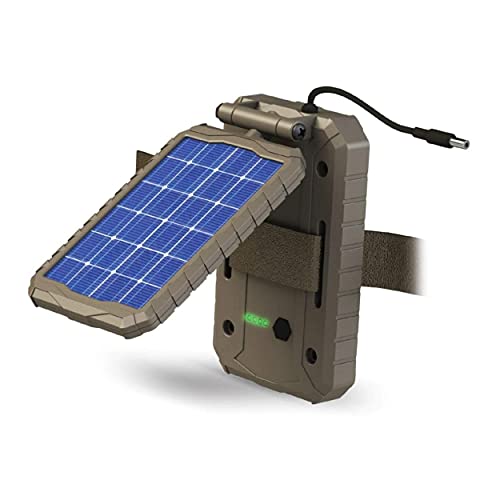
The Stealth Cam Sol-Pak combines a 12V solar panel with a rechargeable Li-ion battery and a 10-foot insulated cable. It’s designed to power wireless or cellular trail cameras across backcountry locations, even when field use extends across multiple days of limited light. The 3000 mAh battery capacity supports longer operation between charges, and the flexible mounting/bracket system helps optimize sun exposure for back-to-back days of use. It emphasizes compatibility with Stealth Cam devices but also suits other cameras with standard external 12V jacks.
Who should consider it: hunters and researchers who need a robust, plug-and-play solution that minimizes battery swaps and maintenance. The extended field life is a strong point for remote sites with inconsistent sun, but users should verify their camera’s external jack compatibility to ensure a seamless setup.
Runpower 8W Solar Panel Kit

Runpower offers an 8W solar panel with a built-in 72Wh battery (20,000 mAh), delivering a substantial energy reserve and flexible output options. The kit includes multiple output ports: Type-C, DC5521, and DC351351, along with a three-in-one cable that supports 12V and 6V configurations. This versatility makes it compatible with a wide range of trail cameras and Type-C devices. The 72Wh battery capacity is a meaningful advantage for longer field sessions or days of poor sunlight, reducing the need for frequent recharging stops.
Who should consider it: users who want a single, high-capacity solar kit capable of supporting Type-C devices alongside traditional cameras. It’s well-suited for longer deployments or locations with variable weather, where a larger energy reserve helps keep gear operational between sunny spells.
SPYPOINT Solar Panel With Integrated Battery

SPYPOINT’s SPLB-10 model integrates a solar panel with a lithium battery in a single, compact package. This design reduces clutter and simplifies setup for trail camera users who want an all-in-one solution. The panel charges the internal battery to power the camera over extended periods, minimizing the need for external wiring. The streamlined approach makes it a good choice for users who prioritize minimal setup and easy maintenance in remote locations.
Who should consider it: individuals seeking a compact, all-in-one solar solution that reduces cable management. The integrated battery streamlines deployment, though buyers should confirm their camera’s power input compatibility and ensure that the integrated system aligns with their field schedule and data plan needs.
Rhorawill 6V/12V Solar Panel Kit

The Rhorawill kit is built for versatility, offering 6V/9V/12V stable output options and multiple DC interface adapters (1.7/2.1/1.35mm). It includes a built-in 6000 mAh battery, enabling Type-C charging and extended field power without frequent battery purchases. The 6000 mAh capacity is a meaningful advantage for cloudy days, ensuring continued operation as sun exposure fluctuates. IP65 waterproofing adds a level of protection against rain and dust, making it a practical pick for rugged outdoor use.
Who should consider it: buyers who want a flexible, reliable power source with a substantial built-in battery and broad device compatibility. The kit is suitable for many camera models and outdoor devices, provided the power port adapters match the camera’s input requirements and the field conditions demand robust performance across varied weather.
Buying Guide: Key Purchase Considerations and Comparisons
- Power output and battery capacity: Compare solar panel wattage, battery capacity (mAh or Wh), and the expected daylight hours in your location. Higher capacity reduces the risk of downtime during cloudy periods.
- Voltage compatibility: Ensure the panel supports your camera’s voltage (commonly 6V or 12V) and check connector types (4.0×1.7mm, 5.5×2.1mm, etc.).
- Integrated vs. external battery: Integrated battery options simplify setup but may offer less total capacity than separate, larger backups. Consider your field length and sunlight reliability.
- Durability and weather resistance: Look for IP ratings (IP65, IP66) and rugged housings designed for rain, dust, and temperature swings. This affects longevity in harsh environments.
- Ease of installation: Favor kits with clear mounting options, adjustable brackets, and cable management features to maximize sun exposure with minimal fuss.
- All-in-one vs. modular systems: All-in-one units reduce wiring but can limit expansion. Modular systems let you scale capacity as needs grow or seasons shift.
- Camera compatibility and ecosystem: Verify compatibility with your camera brand and model, and assess whether any data plans or cell network considerations impact the overall cost of ownership.
For remote deployments, consider a combination approach: a solar panel with a robust backup battery, plus a lightweight, weatherproof enclosure to shield connections and connectors from the elements. Assess the typical weather patterns and sun cycles in your hunting area to estimate average daily charging potential and ensure you select a kit that minimizes downtime.