Best Solar Panel Solutions to Power Your Shed and Emergency Needs
Looking to power a shed or create a reliable off‑grid backup? This article picks five top solar panel kits and power sets designed for sheds, cabins, and emergency use. Each option targets a different buyer type—from weekend campers needing portable power to homeowners seeking a scalable shed solar system. Read on to compare capabilities, ideal scenarios, and practical considerations for plug‑and‑play setup.
| Product | Best For |
|---|---|
| 4000W Solar Panel Kit with Controller and Inverter | Emergency backup, home shed power with AC and USB outputs |
| APILAB Solar Shed Light Indoor Outdoor | Basic shed lighting with pull‑string control |
| Voltset 12V Solar Battery Charger | 12V battery maintenance for vehicles, boats, and trailers |
| powkey Solar Powered Generator 200W | Portable power for camping, emergencies, and small devices |
| Renogy 400W Premium Kit | Long‑term off‑grid shed solar power with MPPT and mounting kit |
Note: Each product below is presented with clear practicality for solar sheds, outdoor apps, and emergency readiness. The buying guide following the products highlights key decision factors to match your specific shed size, climate, and energy needs.
4000W Solar Panel Kit With Controller And Inverter

Best for: Home sheds or small off‑grid buildings needing robust emergency power. This kit combines a 18V‑class solar panel with a 30A controller and an inverter that outputs 12V to 110V or 220V, supporting devices like chargers, laptops, and essential equipment. Its advanced protection helps safeguard sensitive electronics in variable sun conditions.
Why selected: It provides a complete, scalable solution with an integrated controller and inverter, reducing extra components. The durable aluminum substrate panel is designed to endure wind and weather, making it suitable for shed rooftops or ground mounts.
Caution: This kit requires careful wiring and ventilation; if you lack electrical experience, consider professional installation for safety and code compliance.
APILAB Solar Shed Light Indoor Outdoor
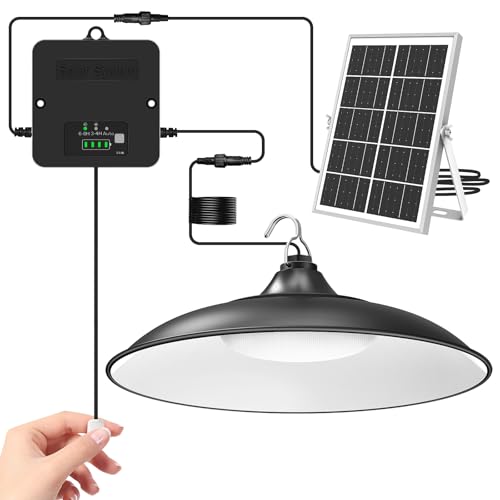
Best for: Shed lighting with a no‑remote control approach. The Power Box contains a battery and indicators, and three lighting modes operate via a pull string for reliability when the remote is unavailable.
Why selected: The pull‑string design ensures you can operate lights even if you misplace a remote. Large 6000mAh capacity supports hours of illumination after daylight, and a 30% solar conversion rate helps maintain daily illumination in typical shed conditions.
Caution: The three lighting modes are simple to use, but lumen output and run times depend on sun exposure; plan accordingly for shorter winter daylight.
Voltset 12V Solar Battery Charger

Best for: 12V battery maintenance across cars, RVs, boats, and trailers. This kit uses an MPPT controller to optimize charging and protect against common battery issues while remaining universal across 12V chemistries.
Why selected: The MPPT controller and 20W panel deliver faster charging, making it a practical add‑on for shed setups that rely on a stored battery for lighting or small appliances. The combination of protective features helps extend battery life.
Caution: Designed for 12V batteries; do not exceed safe current ratings for larger off‑grid systems to avoid overloading the battery.
powkey Solar Powered Generator 200W

Best for: Portable off‑grid power for camping, emergencies, or small shed loads. This unit blends a 146Wh battery with a 40W solar panel to deliver a compact power bank with multiple outlets and a pure sine wave inverter.
Why selected: The package provides a compact, all‑in‑one solution that’s easy to transport. It supports multiple outlet types and real‑time status indicators, helping users plan load management during outages.
Caution: Realistic run times depend on sun and load; assess daily energy needs to avoid undersizing for your shed’s electricity demand.
Renogy 400 Watt Premium Kit

Best for: Long‑term off‑grid shed power with robust MPPT control and reliable mounting. This kit targets users planning a larger, more permanent solar array with strong performance expectations.
Why selected: The package includes a high‑quality MPPT controller, efficient panels, and mounting hardware, designed for scalable shed installations. The controller’s efficiency and temperature compensation help optimize energy capture in varied conditions.
Caution: Requires more installation effort; ensure roof or ground mounting suitability and safe wiring practices for permanent setups.
Buying Guide: Key Factors For A Shed Solar Setup
What’s your shed size and electrical demand?
Estimate the wattage of devices you’ll run and the number of hours per day you need power. Bigger sheds or higher loads benefit from higher wattage kits with durable controllers and inverters. For light duty needs, smaller kits or battery chargers may suffice.
Power source and storage options
Decide between grid‑tied, off‑grid, or hybrid setups. Battery storage can provide night‑time power; inverters convert DC to AC for most home devices. MPPT controllers optimize charging efficiency, especially in fluctuating sun.
Durability and weather readiness
Look for weather‑grade panels, sturdy frames, and protective enclosures. If your shed sits in windy or snowy climates, choose products with high wind and snow load tolerances and robust mounting options.
Ease of installation vs. future expansion
Starter kits with pre‑drilled holes, wired connections, and included mounting hardware simplify setup. If you anticipate growth, pick scalable kits that support adding panels or upgrading controllers later.
Safety and compliance considerations
Ensure electrical work follows local codes. If unsure, hiring a licensed electrician can help ensure safe wiring, proper grounding, and correct inverter sizing for your shed’s loads.
Maintenance and warranties
Check panel durability, controller protections, and guarantees. Longer warranties on panels and controllers typically reflect confidence in long‑term performance, which matters for shed installations.
Frequently Asked Questions
- What size solar kit do I need for a shed? It depends on your daily energy use. Start with a wattage estimate of devices and days of expected sun, then choose a kit that can meet or exceed that requirement.
- Can I install solar panels on a shed roof myself? Yes, if you have basic electrical knowledge and follow safety guidelines. For complex setups or high loads, consider professional installation.
- Is an MPPT controller better than a PWM controller? Yes, MPPT controllers generally extract more energy, especially in cooler temps or lower light, by adjusting voltage to optimize charging.
- Should I buy a kit with an inverter? If you need to run AC devices, an inverter is essential. For pure DC loads, a kit without an inverter could be sufficient.
- Will solar power work in cloudy areas? Solar panels still generate electricity on overcast days, though output is lower. Panels with higher efficiency and larger area perform better in diffuse light.
- How do I maintain battery health? Use a charge controller to prevent overcharging, store batteries in a cool, dry place, and avoid deep discharges to extend life.