Best Solar Panel 120 Volt Outlet Solutions for Off-Grid Power
If you’re seeking reliable off-grid power, a solar panel 120 volt outlet setup can be a practical choice. This article compares five top portable and in-wall style options to help campers, RVers, homeowners facing outages, and outdoor enthusiasts pick the right fit. Each product is evaluated on suitability, portability, and cautionary limits to help you choose confidently.
Summary of selected products at a glance. Use this table to quickly compare core strengths and intended buyers.
- ZeroKor Portable Solar Generator: Best for outdoor trips and off-grid camping; includes a built-in battery and multiple outlets.
- PLUGGEDSOLAR Plug and Play Panel: Best for quick wall power integration and potential utility bill savings.
- powkey 88Wh Solar Generator: Best for compact emergencies and personal devices; small yet versatile.
- PLUGGEDSOLAR 1.8KW System: Best for utility-grade off-grid setups with wall-tie capability.
- Nature Power 110W Kit: Best as a simple, ready-to-use panel kit for beginners.
ZeroKor 300W Portable Power Station With 60W Panel

This portable setup combines a 280Wh battery with a 60W solar panel to deliver a compact, multiport charging solution. It offers two 300W AC outlets, a DC port, and multiple USB ports, making it suitable for charging phones, tablets, laptops, and light camping gear. It is best for solo travelers, hikers, or small groups needing dependable power during outdoor adventures. A key caveat: high-wattage appliances (like coffee makers or hair dryers) may exceed the unit’s capacity and risk overheating if continuously used. The kit also includes SOS lighting for emergencies.
Best for: Campers and van-life enthusiasts who want a versatile, on-the-go power source. Clear downside: limited sustained high-wattage output.
Why selected: It combines a sturdy battery and a foldable solar panel with a wide array of outlets, enabling flexible charging for smart devices and small electronics away from standard power. The integrated solar input supports recharging from various sources.
PLUGGEDSOLAR 800-Watt Panel System
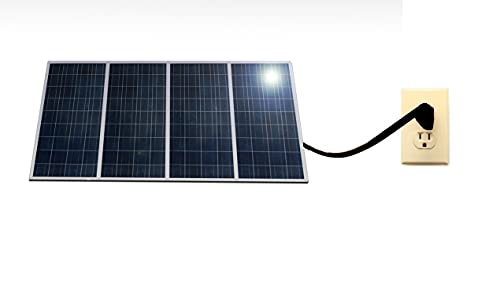
This large-scale plug-and-play option lets you simply place the 800-watt solar panels in the sun and connect to a wall outlet for home use. It is best for homeowners or renters seeking to reduce electricity usage and boost solar-friendly power with straightforward install. It is not a power bank; it requires a connected outlet to function. A potential limitation is that it relies on sunlight and may not serve as a standalone emergency power source during outages.
Best for: Homeowners interested in reducing grid energy and accessing easier panel-to-wall integration. Consideration: not a standalone battery system for off-grid periods.
Why selected: The system emphasizes easy setup and potential utility bill savings through consistent solar-to-grid energy integration, making it a practical choice for daily energy management.
powkey 88Wh Solar Generator With Panels

The powkey unit provides 88Wh of energy in a compact package, with a 110V AC outlet and a lightweight design. It suits emergency kits and solo travelers who need a small, reliable source for essential devices such as phones or tablets. It includes a 30W solar panel and multiple charging options, increasing flexibility for recharging in different scenarios. Limitation: the 88Wh capacity makes it less ideal for higher-wattage appliances or extended outages.
Best for: Emergency kits and short trips where portability and quiet operation matter most. Choose this if you want a portable, low-profile solution with a basic AC outlet.
1.8KW PluggedSolar System With Wall Tie-In

This system pairs 1800 watts of crystalline solar panels with a micro grid-tie inverter for wall-outlet connection and utility interconnection. It is best for property owners seeking a higher-capacity, grid-compatible solar setup to offset daily energy use or supply off-grid periods with grid support. A notable caution is that micro grid-tie inverters require proper installation and approvals for islanding and interconnection; avoid this if you lack the required installation expertise or authorization.
Best for: Users needing substantial solar generation and wall-tie capability for off-grid or backup power. Select this if you plan to offset large portions of home energy use and have installation support.
Nature Power 110 Watt Panel Kit

This complete solar panel kit offers 110 watts of crystalline solar power with simple plug-and-play setup. It is best for beginners or anyone wanting a straightforward kit to begin solar charging without complex configurations. It is a straightforward option for residential or small-scale outdoor use. The kit has a basic promise of efficiency and ease, but it may not deliver the higher power output required for heavy electrical loads.
Best for: Beginners or casual solar users seeking a simple, ready-to-use panel kit. Consider this as a starting point before expanding to larger systems.
MARBERO 100W Portable Solar Panel Kit

This 100W folding panel with USB and DC outputs is designed for versatility in outdoor settings. It provides weather resilience with IP68 waterproofing and a 23% conversion efficiency. Best for hikers, campers, and travelers who want reliable solar charging on the go. A limitation is that the panel cannot store electricity by itself; it must feed into a connected battery or power station.
ECO-WORTHY 200W Portable Panel Kit
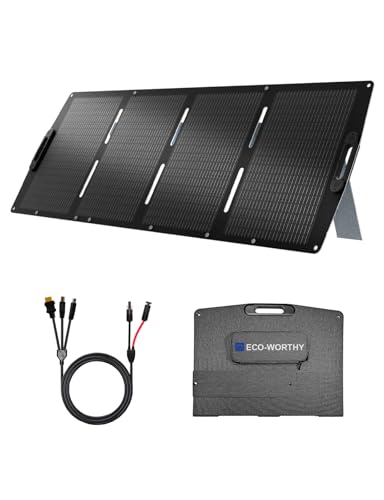
This 200W portable panel utilizes 23% high-efficiency cells with MC4 compatibility and an adjustable kickstand for angles. It is ideal for outdoor enthusiasts who want a mid-to-high power panel that can feed EcoFlow, Jackery, Bluetti, and similar power stations. The kit’s kickstand design helps optimize sun exposure, but it is still subject to weather and shade limitations.
TWELSEAVAN 120W Portable Panel Kit

This 120W panel features wide compatibility with multiple power stations through a multi-connector interface and quick charging ports (Type-C PD60W, QC3.0). It folds into a compact form and includes a magnetic handle for rapid setup. Best for travelers who need fast, flexible charging on the go. Limitation: USB-C PD is fast, but total output is still modest for large appliances.
Buying Guide
Key considerations when selecting a solar panel 120 volt outlet solution:
- Power needs: Estimate daily watt-hours and choose a system with adequate capacity or buffer for peak usage.
- Portability versus capacity: Larger systems supply more power but are heavier; pick based on travel style and storage options.
- Energy source and storage: Decide between portable power stations, wall-tied systems, or simple solar panels tied to the grid. Battery storage adds resilience for outages.
- Outlets and compatibility: Ensure available AC/DC ports meet device requirements and verify compatibility with existing power stations or inverters.
- Weather resilience and durability: For outdoor use, look for weatherproofing, IP ratings, and robust connectors.
- Installation and permits: Grid-tied systems may require professional installation and utility approvals. Off-grid kits usually need no external permits but follow local regulations.
- Future expansion: Consider modular panels or higher-wattage options if you anticipate growing energy needs.
Frequently Asked Questions
- What is a solar panel 120 volt outlet system best for? – It’s ideal for situations requiring direct 120V AC output from solar, such as camping, RVing, or backup power during outages.
- Can I run high-wattage appliances on these systems? – Some units support up to a few hundred watts intermittently; heavy appliances (like air conditioners) typically require higher-capacity systems.
- Do these kits require permits? – Grid-tied setups may need permits and professional installation; portable kits usually do not.
- What is the advantage of a portable solar generator? – It provides stored energy with multiple outlets and rechargeable capabilities from solar or wall outlets, offering flexibility off-grid.
- Is a higher wattage panel always better? – Higher wattage increases potential output, but it also adds weight and cost. Choose based on your typical energy profile and travel needs.
- How do I maintain panel efficiency? – Keep panels clean, angle toward the sun for optimal exposure, and store in dry conditions when not in use.