Best Solar Generators for RV Air Conditioners on the Go
Finding a reliable solar-powered solution to run an RV air conditioner can be challenging, especially when you’re chasing quiet, efficient power that won’t drain your campsite budget. This guide highlights top solar generator options and related gear that help you stay cool while camping, boondocking, or traveling in comfort. Each entry includes practical performance notes, charging speeds, and expandability to fit different RV sizes and climate conditions.
Summary of selected products:
| Product | Brand | Key Benefit | Power Output | Notes |
|---|---|---|---|---|
| Anker SOLIX F2000 Portable Power Station | Anker | High-wattage support with RV-friendly ports | 2400W | Long lifespan, fast recharge, surge-friendly for high-wattage AC devices |
| BLUETTI AC200L Solar Generator Kit | BLUETTI | Modular expansion for growing power needs | 2048Wh LiFePO4 battery | Supports multiple expansions and fast recharge |
| BROWEY 1600W Portable Power Station | BROWEY | Integrated solar panels for on-site charging | 1600W | Built-in solar panel, 10+ year LiFePO4 battery |
| SoftStartRV Soft Start Kit | SoftStartRV | Easier startup for A/C with smaller generators | Up to 2200W compatible | Waterproof, compact, reduces compressor load |
| RecPro RV Air Conditioner 15K | RecPro | Quiet operation for RV comfort | 15K BTU cooling | Low amp draw, easy installation |
Anker SOLIX F2000 Portable Power Station
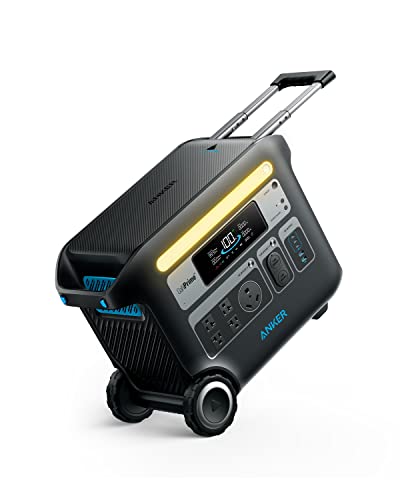
The Anker SOLIX F2000 provides robust output suitable for RV air conditioning and other high-wattage devices. It features a 2400W output and a surge-capable design to handle compressor startup. HyperFlash charging allows a fast recharge from 0 to 80% in about 1.4 hours, minimizing downtime at the campsite. The unit supports powering multiple devices simultaneously with dedicated RV ports and USB-C/USB-A options, making it a strong all-around option for RV enthusiasts who value reliability and rapid recharging during longer trips.
BLUETTI AC200L Solar Generator Kit

The AC200L kit pairs a 2048Wh LiFePO4 battery with solar charging capabilities and multiple AC ports. It supports expansions with additional batteries to scale capacity for longer trips or larger RV setups. A rapid recharge option (up to 2400W input) reduces downtime between adventures, and the modular design makes it adaptable to varying power needs, including running an RV air conditioner during hot days.
BROWEY 1600W Portable Power Station

The BROWEY model combines a 1024Wh LiFePO4 battery with a built-in solar panel, offering a compact and rugged option for RVers who want a self-contained solar generator. It supports multiple outlets, including USB-C PD, and is noted for its safety features and long battery life. The included solar integration helps maintain camp stability when grid power is unavailable, making it a practical choice for powering an RV air conditioner on moderate trips.
SoftStartRV Soft Start Kit

The SoftStartRV kit reduces starting current for RV air conditioners, allowing smaller generators or battery systems to manage compressors more efficiently. This can significantly improve overall power management on a solar-powered RV system by lowering peak loads and extending run-time for cooling on hot days. It is compatible with a variety of A/C units and improves comfort without requiring large power reserves.
RecPro RV Air Conditioner 15K

RecPro’s 15K BTU rooftop air conditioner is designed for quiet operation and energy efficiency, featuring low-amp draw that helps conserve power when used with a solar generator. Its ductless, non-ducted design pairs well with RV solar setups and off-grid camping, enabling efficient cooling even when your power supply is modest. It’s a common choice for upgrading or replacing older RV AC systems to improve performance with solar power.
Buying Guide: Key Considerations For Choosing A Solar Power System For RV A/C
Power needs: Start with your A/C unit’s BTU rating and estimated running current. Use a safety margin to account for other devices and startup surges. RV air conditioners commonly require high startup power; ensure the generator or power station can handle surge demands without tripping or overheating.
Battery chemistry and lifespan: LiFePO4 batteries offer longer life cycles and steadier performance in varied temperatures. They are generally safer and better for frequent cycling, which is ideal for RV use.
Expandability: If you plan longer trips or seasonal use, choose modular systems that allow adding more batteries or solar panels. This provides flexibility as energy needs grow or travel patterns change.
Charge speed: Look for units with fast recharge capabilities from AC, DC, and solar inputs. Quick recharging minimizes downtime between stops and helps you stay cooler sooner after arrival at a site with limited shade or sun.
Portability vs. capacity: Balance the weight and size of the power source with the capacity you require. For tight RV storage spaces, a compact, lighter option might be preferable, but ensure it still meets peak load needs when the A/C is running.
Noise and heat management: Fans and compressors add heat and noise. Consider solutions like Soft Start technology for compressors and quiet HVAC units for a more comfortable camping environment, especially in crowded or night-time conditions.
Installation compatibility: If you’re replacing or upgrading an existing RV AC, verify compatibility with your roof space, ducting (if any), and electrical system. Ease of installation reduces overall project time and risk.
Reliability and warranty: Opt for brands with robust customer support and solid warranties. Given the remote nature of RV travel, dependable service and accessible parts are essential.
Cost of ownership: While upfront costs vary, evaluate long-term ownership through battery life, expandability, and maintenance considerations. A higher initial investment can pay off with longer system life and better performance in extreme camping conditions.