Best Solar Electric Fence Chargers for Gardens and Small Farms
Find the right solar electric fence charger for protecting a garden, coop, or small pasture. This guide highlights five top options, focusing on 24/7 day/night power, coverage range, and suitability for different property sizes. Ideal buyers include smallholders seeking reliable, low-maintenance fence protection for gardens, poultry yards, and livestock enclosures.
Summary of chosen products:
| Product | Best For | Key Strength | Approx. Coverage |
|---|---|---|---|
| 24 Hour Solar Electric Fence Charger (Epoify) | Pastures, livestock within 10 miles | 0.18J pulse, solar overnight power | Up to 10 miles |
| 10 Miles Solar Fence Charger (ANDMON) | Strip grazing, portable setups | Day/Night mode, built-in gel battery | Up to 10 miles |
| 10 Miles Solar Powered Fence Charger (Zhangmengge) | Garden boundaries, poultry netting | 0.18J, high voltage output | Up to 10 miles |
| 5 Miles Solar Powered Fence Charger (Gorhope) | Small farms and gardens | 0.11J, rugged and waterproof | Up to 5 miles |
| Plowic Solar Electric Fence Charger | Livestock and garden protection | 0.20J, 8KV output | Up to 10 miles |
24 Hour Solar Electric Fence Charger, 10 Miles
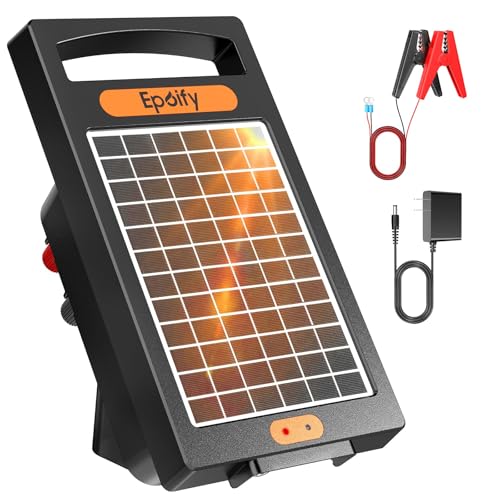
This charger delivers a steady 0.18 joule pulse to contain livestock and deter predators. It is designed for up to 10 miles of pasture fencing and includes a large-capacity battery for overnight operation. Best for small to medium grazing areas where maintenance is feasible and consistent power is required.
- 0.18J output for livestock control and predator deterrence
- Up to 10 miles coverage with proper grounding
- 24/7 operation with day charging and night protection
Who this is best for: small to mid-size pastures needing reliable day-to-night fencing. Caution: performance depends on vegetation management and grounding; poorly grounded setups may reduce effectiveness.
10 Miles Solar Electric Fence Charger (ANDMON)
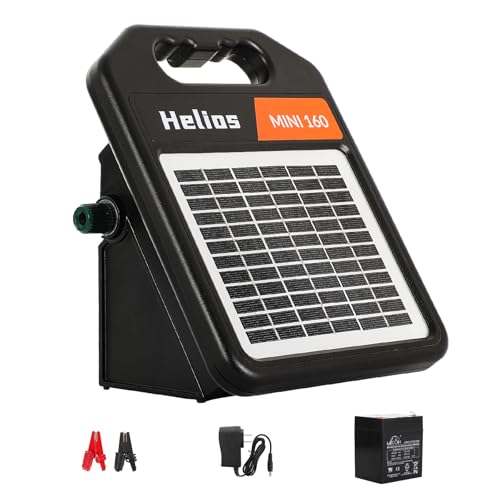
Compact, portable, and easy to install, this charger is ideal for strip grazing. It energizes up to 10 miles of fence and includes a built-in solar panel with a rechargeable battery. Best for moving setups and areas where you want flexible placement.
- Portable and tough design
- Day/Night mode for continuous protection
- Internal GEL battery supports reliability in low light
Who this is best for: gardeners and small farmers needing a mobile fencing solution. Caution: some users may prefer larger storage for extended low-light periods.
10 Miles Solar Powered Fence Charger – 0.18J

This model provides 0.18J output and 24/7 protection with a rechargeable solar panel and a rugged design suitable for gardens, poultry enclosures, and small livestock. It aims to deter larger predators with a higher voltage in active use conditions.
- Ultra-long coverage up to 10 miles
- 24/7 operation powered by a solar panel
- High-voltage output supports larger perimeter protection
Who this is best for: garden boundaries and poultry coops needing dependable day-night fencing. Caution: ensure a robust grounding system to maximize performance.
Plowic Solar Electric Fence Charger

Delivering up to 0.20J and 8KV, this charger powers up to 10 miles of fence. It includes a 3W solar panel and a 10400mAh internal battery for continuous operation, with IP55 waterproofing for all-weather use. Best for larger gardens and small farms needing stronger pulse energy.
- 0.20J output and up to 8KV voltage
- Solar panel plus large internal battery
- All-weather IP55 rated enclosure
Who this is best for: garden borders and livestock enclosures requiring robust energy to deter wildlife. Caution: higher power may require careful installation to avoid stray current paths.
Buying Guide
What should you consider before buying a solar fence charger?
Coverage area, battery capacity, and pulse energy determine how well a charger protects your property. For gardens and coops, look for units with at least 0.11J to 0.18J pulse and 5–10 miles of fencing in favorable conditions. For larger pastures, consider higher pulse energy and longer reach, up to 45 miles in optimal setups.
How does solar suitability impact performance?
Sun exposure, panel size, and battery capacity affect 24/7 protection. Chargers with larger solar panels and higher-capacity batteries are more reliable in cloudy weather and during extended nights. A rugged, weatherproof unit reduces maintenance and prolongs life in outdoor settings.
Grounding and safety considerations
Proper grounding is essential for consistent operation. Ensure the fence line has good soil contact and is free from excessive vegetation that can dampen pulses. Use safe, compliant installation practices to protect animals and people.
Portability vs. permanence
Portable chargers are ideal for temporary or rotating fencing needs, such as strip grazing or mobile coops. Permanent setups benefit from larger panels and higher-energy units for consistent protection across fixed fences.
Energy management and maintenance
Regularly inspect connections and inspect battery health if the unit supports battery storage. Clean solar panels periodically and replace any worn-out components to maintain efficiency.
Which product is right for you?
- Small gardens and coops: look for 0.11–0.18J outputs with up to 5–10 miles coverage.
- Portable fencing needs: choose compact, rugged models with easy re-location.
- Larger pastures or multiple zones: prefer higher outputs, longer range, and robust solar/battery setups.
Frequently Asked Questions
- How many miles should my solar fence charger cover? Answer: Choose based on the size of your fenced area; up to 10 miles is common for gardens and small pastures, while larger properties may need higher capacity units.
- Do solar fence chargers require external batteries? Answer: Some models include built-in batteries; others rely on the solar panel and internal storage. Check the product specifications.
- Can solar fence chargers deter wildlife? Answer: Yes, higher voltage and stable pulses help deter predators when properly installed.
- Is weather a concern for solar chargers? Answer: IP-rated models and larger solar panels perform better in varied conditions, but routine maintenance helps sustain performance.
- What is the best practice for grounding a solar electric fence? Answer: Ensure solid soil contact along the fence line and use proper grounding rods according to fence length and local regulations.