Best Solar Battery Backup System for Home Power Resilience
Exploring a solar battery backup system helps you safeguard your home against outages while maximizing solar ROI. This guide highlights five ECO-WORTHY options that pair LiFePO4 batteries with robust inverters and smart communication. Each entry includes key capabilities, expansion potential, and how they fit typical American homes. Use the buying guide to compare capacity, charging options, and monitoring features before choosing.
Summary Of Chosen Products
| Product | Battery Type / Capacity | Useful For | Key Connectivity |
|---|---|---|---|
| ECO-WORTHY 48V 600Ah Server Rack Battery | 48V LiFePO4, 600Ah (30.72kWh) | Home backup for rack-myned systems, scalable up to 163.8kWh | CAN/RS485, Bluetooth, WiFi |
| OUPES Mega 1 Portable Power Station | 1024Wh LiFePO4, expandable to 5120Wh | Portable power with high surge capacity | RS485/CAN, display, Bluetooth/Wi-Fi |
| ECO-WORTHY 28.7kWh Home Power Station (2 Pack) | 28.7kWh LiFePO4 (2 × 14.35kWh) | Moderate home backup with smart control | RS485/CAN, Bluetooth/WiFi |
| ECO-WORTHY Home Power Station Backup Power (10.24kWh) | 10.24kWh LiFePO4 | Mid-range backup with hybrid inverter | Bluetooth/WiFi, CAN/RS485 |
| ECO-WORTHY Home Power Station Backup Power (14.336kWh) | 14.336kWh LiFePO4 | Higher capacity for whole-home needs | RS485/CAN, Bluetooth/Wi-Fi |
Note: All five products leverage LiFePO4 chemistry, offer smart monitoring, and support multiple charging paths (solar, AC mains, or hybrid inverters). Capacity ranges provide options from portable to whole-home backup for modern American households.
ECO-WORTHY 48V 600Ah Server Rack Battery

- UL1973, UL9540A, and CEC safety certifications indicate strong compliance for home energy storage.
- Closed-Loop Communication Battery with integrated CAN/RS485 interfaces enables smart inverter integration.
- Built-in Bluetooth and WiFi for monitoring via the ECO-WORTHY app.
- Rack-mount design supports space-efficient, scalable systems; up to 32 units in parallel for expanded capacity.
OUPES Mega 1 Portable Power Station
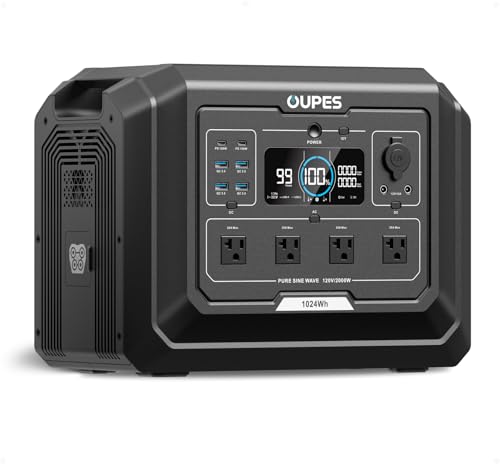
- 2300W nominal output with 4500W surge; designed for heavy-load scenarios and emergencies.
- Expandable up to 5120Wh via adding B2 Extra Batteries without extra inverters.
- Fast recharge options and reliable pure sine wave AC delivery for sensitive electronics.
- Professional-grade protection and monitoring interfaces (RS485/CAN/RS232).
ECO-WORTHY 28.7kWh Home Power Station (2 Pack)
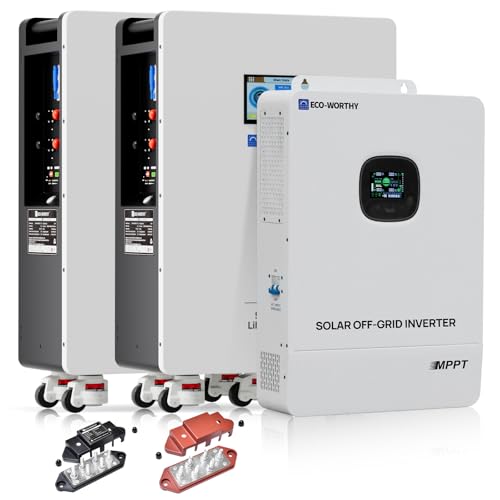
- Two LiFePO4 batteries with communication interfaces for mainstream inverters.
- Smart LCD display for voltage, SOC, current, and temperature monitoring.
- Time-slot charging/discharging to optimize energy costs and solar harvesting.
- High safety protection with a robust BMS and audible alarm.
ECO-WORTHY Home Power Station Backup Power 10.24kWh
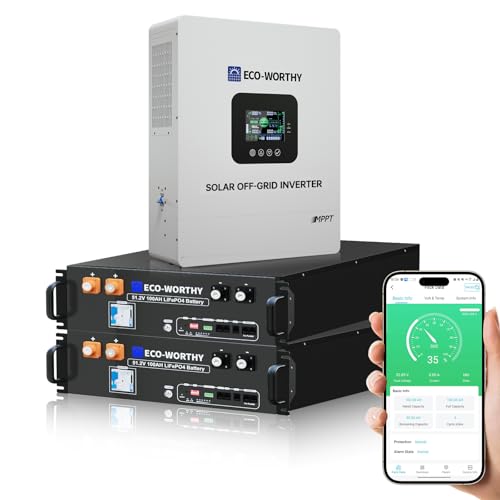
- Integrated 10kW off-grid inverter with four charging modes; supports up to 30kW when paralleled with multiple inverters.
- Parallel expansion with up to 15 batteries to extend capacity to 76.8kWh.
- Bluetooth/Wi-Fi monitoring and CAN/RS485 communication for easy integration with solar systems.
- Comprehensive safety protections including BMS and circuit breakers.
ECO-WORTHY Home Power Station Backup Power 14.336kWh

- 10kW hybrid inverter delivering seamless energy transitions between solar, grid, and storage.
- Smart communication with RS485/CAN for mainstream inverters; real-time battery data display.
- Expandable capacity and robust safety protections ensure reliable home backup operation.
ECO-WORTHY Home Power Station Backup Power 14.336kWh (Alternate Listing)
- Efficient energy combo with reliable 14.336kWh storage and a 10kW inverter.
- Smart communication and real-time monitoring; customizable charging windows.
- Safety-first design with BMS protections and audible alarms.
Buying Guide: Key Considerations For A Solar Battery Backup System
Bottom-line considerations help you select a system that fits your home, budget, and energy goals. The following perspectives cover capacity, charging flexibility, monitoring, and future-proofing.
- Capacity and growth: Start with your essential load and plan for growth. If outages last hours, a 10–15kWh system with growth potential may suffice; for whole-home resilience, consider 20kWh+ with scalable modules up to 50kWh or more.
- Battery chemistry and longevity: LiFePO4 offers long cycle life, stable performance, and safer thermal behavior in typical American climates. Look for 3,000–10,000+ cycles and a robust BMS for protection against overcharge, over-discharge, and short circuits.
- Inverter capabilities: A pure sine wave inverter preserves safe operation for electronics and motors. Check continuous power rating (watts) and surge capacity to ensure starters and high-demand devices run reliably.
- Charging options: Solar-first charging is ideal for off-grid ambitions, but AC pass-through or hybrid inverters provide flexibility during inclement weather. Consider MPPT efficiency and maximum charging current to minimize charge times.
- Monitoring and control: Bluetooth/Wi‑Fi apps and RS485/CAN interfaces simplify system health checks and integration with home automation or solar inverters. Real-time SOC and temperature alerts help prevent issues.
- Maintenance and service life: Look for a reputable brand with documented warranties and accessible replacement parts. Wire routing, venting, and rack or enclosure design affect installation and long-term reliability.
- Installation fit: Determine whether you need a portable unit, a wall-mountable rack, or a full home backup setup. Rack-mount systems maximize space and expandability in utility rooms or basements.
- Safety certifications: UL1973, UL9540A, and related standards indicate thorough testing and safer operation in residential environments. This is especially important for systems integrated with the grid or extensively parallel configurations.
These options provide a spectrum from portable backup to full-home resilience. When selecting, align capacity with typical daily energy usage, plan for weather-related charging variability, and verify compatible inverters and monitoring interfaces to ensure a seamless, secure backup solution for American households.