Best Solar Backup Power Solutions for Reliable Off-Grid Power
When selecting a solar backup power supply, look for portable units that balance capacity, recharging options, and multiple output ports to cover essential devices. This guide targets campers, RVers, homeowners preparing for outages, and travelers seeking reliable off‑grid power. We compare five well‑rounded options to help you pick the right balance of portability and power for your needs. The following table highlights key choices and ideal use cases to speed your decision.
| Product | Type / Capacity | Best For |
|---|---|---|
| Jackery Solar Generator 1000 V2 | 1070Wh, 1500W AC, LiFePO4 battery | High‑demand outages, RVs, home backup |
| Anker SOLIX C1000 Gen 2 | 1,024Wh, 2,000W continuous / 3,000W peak | Emergency backup, remote work, camping |
| ENGINSTAR Portable Power Station 300W | 296Wh, 300W AC, two 110V outlets | Compact camping, CPAP power, light outages |
| MARBERO 88.8Wh Solar Generator | 88.8Wh, multiple USB/AC outputs | Weekend trips, under‑way charging, light devices |
| BLAVOR 10,000mAh Solar Power Bank | 10,000mAh, USB‑C, wireless charging | Phone charging on the go, compact pack |
Jackery Solar Generator 1000 V2

The Jackery Explorer 1000 V2 combines high capacity with a robust output, making it a strong choice for demanding off‑grid use. It offers 1,070Wh capacity and a 1,500W continuous output, with a 3,000W surge peak, accommodating appliances like refrigerators or AC units in emergencies. Best for homeowners and RV users who need dependable power in longer outages or on extended trips. A one‑hour fast charging option via compatible equipment helps reduce downtime. A potential limitation is its weight and size compared to smaller models, which may affect portability.
Anker SOLIX C1000 Gen 2 Portable Power Station

The Anker SOLIX C1000 Gen 2 emphasizes rapid recharging and portability. With 2,000W continuous output and 1,024Wh capacity, it supports multiple devices—from laptops to small appliances—during outages or remote work setups. The HyperFlash recharging system promises rapid readiness, making it well suited for those who prioritize quick replenishment after a sunny day of use. It is a compelling option for users who want a compact yet powerful unit, but the higher capacity units may be heavier than ultralight backups.
ENGINSTAR Portable Power Station 300W

This ENGINSTAR model provides a compact, mid‑range option with two 110V pure sine wave outlets and multiple ports. It weighs around 6.5 pounds and delivers 296Wh, suitable for charging smartphones, tablets, cameras, and CPAP devices during weekend trips or emergency outages. It supports several recharge options, including AC wall power and car charging. A caveat: its lower energy capacity means longer sessions on very power‑hungry devices, requiring planful use to avoid quick depletion.
MARBERO 88.8Wh Solar Generator
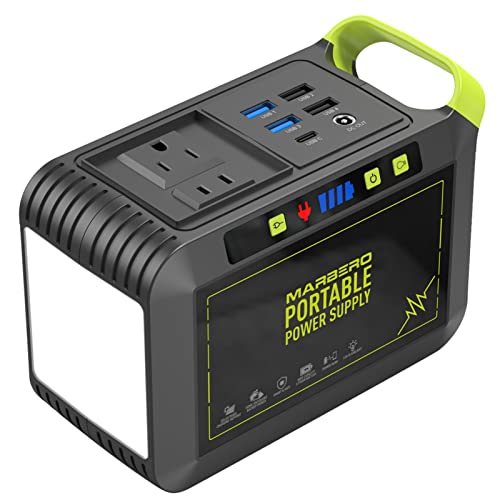
The MARBERO 88.8Wh kit emphasizes compact portability with multiple outputs, including USB and AC outlets, suitable for short trips and lightweight devices. It works well when combined with MARBERO’s solar panel, enabling daytime charging for overnight use. Best for minimalists who need reliable power for phones and small devices on a tight travel footprint. A limitation is the modest capacity, which may require frequent recharging on longer trips or cloudy conditions.
BLAVOR Solar Power Bank 10,000mAh

The BLAVOR power bank focuses on portable phone charging with solar input and USB‑C fast charging. Its 10,000mAh capacity allows several phone charges and lightweight devices on day trips. It is best for quick top‑ups and emergency preparedness when weight and compact size are priorities. A caveat is that solar charging speed depends on sunlight, so relying on it for full device power over longer trips may be impractical.
Buying Guide
What capacity do you actually need?
Capacity matters when powering multiple devices or longer outages. For weekend trips, 300–1,000Wh units are often sufficient. For RVs or home backup, aim for 1,000–2,000Wh or more with high surge capacity to handle AC units or heaters.
Which recharge options matter most?
Look for units with solar charging compatibility, car charging, and fast‑charging wall options. A model with multiple recharging paths reduces downtime and expands when you can recharge fully.
What outlets and ports are essential?
Assess the devices you plan to power. At minimum, include a mix of AC outlets, USB‑A/C ports, and a USB‑C PD port. If you work remotely, consider at least one USB‑C port for laptops and tablets.
How important is weight and portability?
Portability matters for hikers or frequent travelers. Compact units under 10 pounds are easier to carry, but higher‑capacity options tend to be heavier. Balance weight against your power needs and travel style.
Battery chemistry and longevity
Lithium iron phosphate (LiFePO4) batteries generally offer longer life and stability, especially for frequent charging cycles. They tend to be heavier but provide more cycles and safer operation in varied temperatures.
Safety and protection features
Choose devices with built‑in protection like short‑circuit, over‑current, and temperature management. A solid battery management system (BMS) helps safeguard both the unit and connected devices during charging and discharging.
Usage scenarios to consider
Off‑grid camping, RV living, home outage backup, or emergency kit needs each benefit from different capacity and port configurations. Prioritize the scenario that matches your most common use to narrow the best pick.
FAQ
- What is a solar backup power supply? A portable energy system that stores solar energy and provides electricity via multiple outputs for devices during outages or off‑grid use.
- Do I need LiFePO4 for my power station? LiFePO4 batteries offer longer life and stability, especially with frequent charge cycles, but may add weight and cost.
- Can I run high‑demand appliances from these units? Some units support high surge and continuous power (e.g., 1,000–2,000W), but check the continuous rating and the surge watts to match appliances.
- How long does it take to recharge? Recharge time varies by model and method. Fast recharge can bring most units from 0–100% in under an hour to several hours with solar or car charging.
- Is solar charging reliable in cloudy weather? Solar charging slows in low light; many packs include multiple charging options to compensate for weather conditions.
- What should I consider for campers? Look for portability, enough outlets for camping gear, and efficiency in cold or hot environments.