Best Smoke Detectors With Hardwired and Battery Backup for Home Safety
For reliable home fire safety, a hardwired smoke detector with battery backup offers continuous protection even during power outages. This guide highlights top options that interconnect for comprehensive coverage, includes models with voice alerts and carbon monoxide detection, and explains key decisions to help you choose the right set for multiple levels and bedrooms. Each listing provides essential features, so you can compare at a glance and make an informed purchase for peace of mind.
| Product | Brand | Backup | Highlights |
|---|---|---|---|
| Kidde Hardwired Smoke Detector, 10-Year Battery Backup, Interconnectable | Kidde | 10-Year Battery | LED indicators, interconnectable, 4-pack |
| Kidde Hardwired Smoke Detector, AA Battery Backup | Kidde | 2 AA Batteries | LED indicators, interconnectable, 4-pack |
| First Alert 9120B Smoke Detector, Hardwired Alarm with Battery Backup | First Alert | Battery Backup | Ionization sensor, 85 dB alarm, multi-level placement |
| First Alert SMI100-AC, Hardwire Interconnect Smoke Alarm with Battery Backup | First Alert | Battery Backup | Precision Detection, interconnect, early warning |
| Kidde Hardwired Smoke & Carbon Monoxide Detector, 10-Year Backup | Kidde | 10-Year Battery | 2-in-1 smoke/CO, voice alerts, interconnectable |
Note: All products listed operate on 120V AC wiring with an internal backup method. Interconnectability helps ensure alarms sound throughout the home in the event of a detected threat, while battery backups keep defense strong during outages.
Kidde Hardwired Smoke Detector, 10-Year Battery Backup, Interconnectable

This Kidde model installs on ceiling wiring and includes a 10-year battery backup, eliminating frequent battery changes. The device emits a loud 85-decibel alarm with a distinctive three-beep pattern and a red LED that flashes in sync. Enhanced sensing technology helps reduce false alarms caused by cooking. It is UL-tested to UL 217 9th Edition and FCC standards, offering dependable protection across living spaces.
Kidde Hardwired Smoke Detector, AA Battery Backup

This version runs on 120V AC with two AA alkaline batteries supplying the backup power. It maintains the same reliable 85-decibel alarm and red LED indicators along with interconnectivity across multiple units. The product promises reduced nuisance alarms thanks to enhanced sensing technology and adheres to UL 217 9th Edition and FCC standards, reflecting a balance of safety and practicality for homeowners who want a backup that works even when the power is out.
First Alert 9120B Smoke Detector, Hardwired with Backup
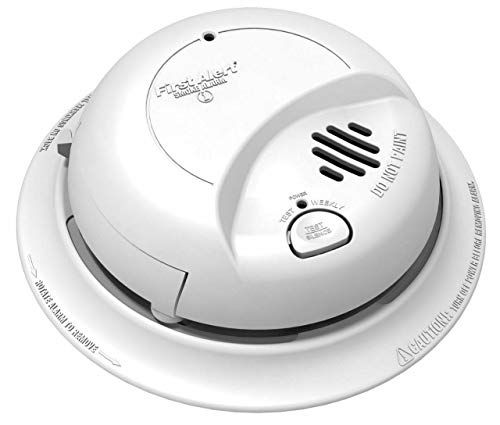
Equipped with an ionization sensor, the 9120B detects fast-flaming fires and delivers a crisp 85 dB alarm. The setup is recommended for multi-level homes or bedrooms to ensure coverage where you sleep. A note warns about a potential neutral wiring issue that could cause malfunction, so proper wiring and testing are essential during installation. Compliance with safety standards complements its practical placement guidance for homeowners seeking straightforward protection.
First Alert SMI100-AC, Interconnect Smoke Alarm with Battery Backup

First Alert’s Precision Detection technology aims to reduce nuisance alarms from cooking while delivering early warning signals. The SMI100-AC supports interconnectivity so when one unit triggers, others follow, providing unified protection. Its battery backup keeps the system active during outages, making it suitable for homes with multiple floors or rooms that require coordinated alerting for every occupant.
Kidde Hardwired Smoke & Carbon Monoxide Detector, 10-Year Backup
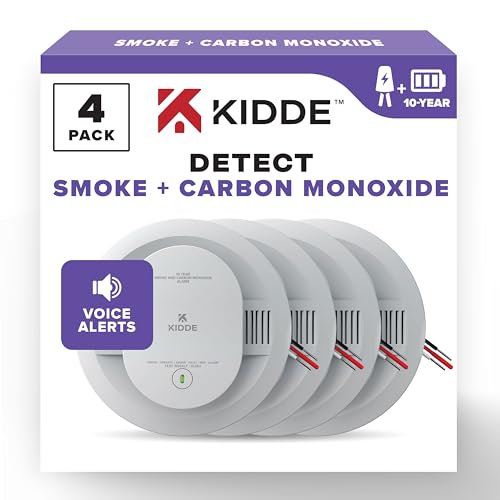
This 2-in-1 device detects both smoke and carbon monoxide, providing a single, cost-effective solution for combined hazards. It runs on 120V AC with a 10-year battery backup, reducing maintenance needs and extending protection. The enhanced sensing technology minimizes nuisance alarms while still meeting UL 217 9th Edition, UL 2034 4th Edition, and FCC standards, making it a strong candidate for households seeking comprehensive safety in one unit.
Kidde Hardwired Smoke Detector, 2 Pack with 10-Year Backup

This 2-pack version brings the same dependable 85-decibel alarm and red LED indicators, designed for easy ceiling installation and interconnection across rooms. The 10-year battery backup minimizes the need for frequent changes, while the enhanced sensing technology reduces nuisance alarms. UL 217 9th Edition compliance and FCC standards ensure alignment with current safety guidelines for modern homes.
Kidde Hardwired Smoke & CO Detector, AA Battery Backup

Offering 2-1 detection, this device monitors both smoke and carbon monoxide with a pair of AA backup batteries. It operates on 120V AC and includes interconnect capability. Enhanced sensing minimizes cooking-related false alarms, while UL 217 9th Edition, UL 2034 4th Edition, and FCC standards ensure reliable, standards-based performance for homes needing integrated fire and CO detection in a single package.
Kidde Hardwired Smoke & Carbon Monoxide Detector, 10-Year Backup with Voice Alerts

This model combines 2-in-1 detection with voice alerts for clearer warnings. It is hardwired with a 10-year battery backup and interconnectable LED indicators. Enhanced sensing reduces false alarms, and it complies with UL 217 9th Edition, UL 2034 4th Edition, and FCC standards, making it a robust choice for households that benefit from audible voice prompts along with standard alarms during emergencies.
Buying Guide: Key Purchase Considerations
When selecting a hardwired smoke detector with battery backup, consider several factors to optimize safety and maintenance needs across your home.
- Backup Type and Longevity: Look for 10-year lithium standby batteries or integrated battery backup plans. Long-life backups reduce maintenance, but confirm replacement requirements and costs.
- Interconnectivity: A network of interconnected alarms ensures alerts propagate through the home. Verify compatibility with existing systems and multi-unit configurations.
- Detection Technology: Ionization sensors respond to fast-flaming fires, while photoelectric sensors excel with slow, smoldering fires. Some models combine both for comprehensive coverage; consider your home layout and risk factors.
- UL and FCC Standards: Check UL 217 compliance (and edition) for smoke detectors, UL 2034 for CO detection if applicable, and FCC standards for electronics safety. These indicate adherence to industry safety norms.
- False Alarm Reduction: Enhanced sensing technology can minimize nuisance alarms from cooking or steam. Assess user reviews and product notes on nuisance reduction.
- Placement Strategy: Install at least one detector on every floor, in hallways serving sleeping areas, and in each bedroom. Interconnected units provide synchronized alerts across rooms.
- Maintenance Practices: Regular testing and battery checks are essential, even with a long-life backup. Establish a routine to test monthly and replace batteries per manufacturer guidance when required.
- Combination Detectors: If you want to cover both smoke and carbon monoxide, consider 2-in-1 devices. Weigh the cost against separate detectors and the convenience of unified alerts.
- Aesthetics and Home Design: Some units feature LEDs or voice alerts. Choose styles that fit your ceiling height, room usage, and visibility preferences.
- Warranty and Support: Review warranty terms and customer support options in case of device errors or false alarms.
These considerations help balance safety, maintenance, and user experience. For homes with multiple levels or bedrooms, a mix of 10-year backup and reliable interconnectivity typically provides the best overall protection while minimizing upkeep.