Best Smoke Alarms That Detect Vape Smoke in Homes
If you’re looking for reliable fire safety that also catches vape-generated smoke, this guide highlights five ceiling-ready alarms designed to detect smoke quickly, reduce nuisance alarms, and fit various installation needs. Ideal buyers: homeowners seeking simple battery-powered units, renters needing no-wiring setup, tech enthusiasts wanting app alerts, and households prioritizing long-life power options. The following table summarizes the five selected models to help you compare at a glance.
| Product | Power | Detection | Best For |
|---|---|---|---|
| Kidde 10SDR (AA Battery) | AA Batteries | Over 25% faster smoke detection | Budget-friendly, easy setup |
| First Alert SMI100 (Battery-Operated) | Battery | Precision Detection reducing cooking nuisance | Easy maintenance, front-load battery |
| Kidde 20SD10 (10-Year Battery) | 10-Year Battery | Over 25% faster smoke detection | Low-maintenance, long-term use |
| Kidde 20SDR (AA Battery) | AA Batteries | Over 25% faster smoke detection | Compact, quick setup |
| Kidde Smart with Ring App (Hardwired/AA Backup) | Hardwired with AA backup | Real-time app notifications | Smart-home integration |
Kidde 10SDR Smoke Detector — AA Battery Operated

Best for: budget-conscious homes needing quick, tool-free setup. The 10SDR uses AA batteries and features an 85 dB alarm with a red LED for clear warnings. It advertises over 25% faster smoke detection and reduces false alarms with advanced sensing that differentiates cooking smoke from real fires. A 10-year limited warranty backs the unit from the purchase date, offering long-term confidence. Caution: As a battery-powered model, battery life depends on usage and battery type, so replacements are expected over time.
First Alert SMI100 Battery-Operated Smoke Alarm

Best for: renters or homeowners prioritizing simple maintenance. The SMI100 emphasizes First Alert’s Precision Detection to reduce nuisance alarms and offer early warning. It’s a battery-only unit with a front-access battery compartment for easy replacements. Advantage: straightforward installation without wiring. Limitation: no smart features or app integration; alerts are limited to audible and LED indicators.
Kidde 20SD10 — 10-Year Battery Powered

Best for: homeowners seeking a long-term, low-maintenance option. The 20SD10 features a built-in 10-year battery, eliminating low-battery chirps and delivering up to a decade of continuous operation. It uses advanced sensing to reduce false alarms while maintaining rapid detection. A significant benefit is the included 10-year warranty. However, replacement opportunities are limited until the battery reaches its end-of-life, so proactive planning is wise.
Kidde 20SDR — AA Battery Powered

Best for: homes that want a compact, quick-install option with faster detection. The 20SDR uses two AA batteries and a red LED status light for visual cues. It’s designed to reduce false alarms with advanced sensing while providing over 25% faster detection. The 10-year expected life is not the same as the explicit battery warranty, so verify current product details as models vary. Caution: battery-dependent operation means potential chirps if batteries fail or are not replaced on schedule.
Kidde Smart Smoke Detector With Ring App — AA Backup
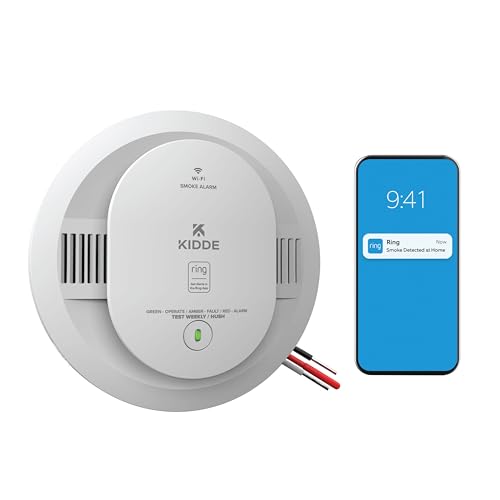
Best for: smart-home users who want real-time notifications. This model can alert you via the Ring app for smoke or low-battery warnings, regardless of location, with over 25% faster smoke detection noted in internal testing. It offers optional Ring subscription for 24/7 monitoring. Choose this if you value remote monitoring and alerts, but avoid if you prefer a completely standalone alarm with no app connectivity.
Buying Guide: Practical Considerations For Vape-Detecting Smoke Alarms
- Detection speed and false alarms: Look for models stating faster smoke detection and reduced nuisance alarms to handle vape smoke and cooking emissions.
- Power source: Battery-only units are easy to install, while 10-year batteries reduce maintenance. Hardwired options with battery backup suit larger homes and smart-home users.
- Maintenance: Front-loading batteries or easy-access compartments simplify replacements; plan on routine checks to avoid chirps from aging batteries.
- Smart features: App notifications and remote monitoring are valuable for homes with multiple levels or away-from-home monitoring needs.
- Warranty and longevity: Longer warranties and 10-year battery lives offer better long-term cost efficiency; verify what the warranty covers and its start date.
Practical Comparisons
- Best budget pick: Kidde 10SDR for simple, quick setup and standard protection.
- Best for easy maintenance: First Alert SMI100, with front-access battery replacement.
- Best long-life option: Kidde 20SD10, a 10-year battery powered model.
- Best for smart-home users: Kidde Smart products with Ring App integration.
- Best compact option: Kidde 20SDR for smaller rooms or apartments.
Frequently Asked Questions
- Do vape aerosols trigger smoke alarms? Yes, vapor from e-cigarettes can create visible smoke-like plumes that may trigger some detectors, especially if used near the sensor. Using alarms designed to recognize real smoke and reduce nuisance alarms is advisable.
- What’s the difference between battery-powered and hardwired alarms? Battery-powered alarms are easier to install with no electrical work, while hardwired systems can offer interconnected protection and centralized monitoring after initial wiring or in multi-story homes.
- How often should I test smoke alarms? Test monthly, replace batteries as needed, and follow manufacturer recommendations for replacement timelines and maintenance checks.
- Are smart detectors worth it for vape safety? Smart detectors provide remote alerts and status checks, which can be helpful for monitoring while away from home, but they require a compatible app and online connectivity.
- What is the advantage of a 10-year battery alarm? A 10-year battery reduces the need for frequent replacements and minimizes maintenance interruptions, though it may limit flexibility if you want to upgrade early.
- How many alarms should I install in a home? Place at least one on every level and near sleeping areas, ensuring they are not blocked by furniture or walls for optimal detection.