Best Smart Thermostats With Geofencing for Home Comfort
Smart thermostats with geofencing help optimize comfort and energy use by using your phone’s location to adjust temperatures. This guide reviews five top options, highlighting energy savings, compatibility, and installation features to help American homeowners choose the right model for their home.
| Product | Brand | Key Benefit | Compatibility Note |
|---|---|---|---|
| ecobee Smart Thermostat Premium | ecobee | High energy savings with SmartSensor and air quality | Works with most systems; check ecobee compatibility checker |
| ecobee Smart Thermostat Enhanced | ecobee | Built-in occupancy radar and easy DIY install | Supports wide system range; PEK included |
| Sensi Smart Thermostat (ST55) | Emerson | Strong privacy protections and easy DIY install | Works with many HVAC setups; C-wire not always required |
| Honeywell Home RTH8800WF | Honeywell Home | Geofencing and 7-day scheduling | Wired thermostat with flexible energy features |
| Sensi Lite Smart Thermostat (ST25) | Emerson | Geofencing and energy-saving features | Low-cost option; C-wire may be required for some systems |
ecobee Smart Thermostat Essential

Features include energy savings up to 23% yearly, adaptive scheduling, compatibility with 85% of systems, and free software upgrades. The color touchscreen or ecobee app makes temperature changes simple, and it supports Siri, Alexa, and Google Assistant for hands-free control. This Energy Star certified model emphasizes ongoing savings and reliable performance over time.
ecobee Smart Thermostat Premium

Designed for enhanced comfort with SmartSensor and air quality monitoring. Save up to 26% per year on heating and cooling costs and enjoy ENERGY STAR certification. Includes the SmartSensor (value) for improved occupancy-based adjustments and integrates with ecobee doorbell systems. Compatible with the majority of systems; PEK and Trim Kit are included for a smoother DIY installation.
Sensi Smart Thermostat (ST55)
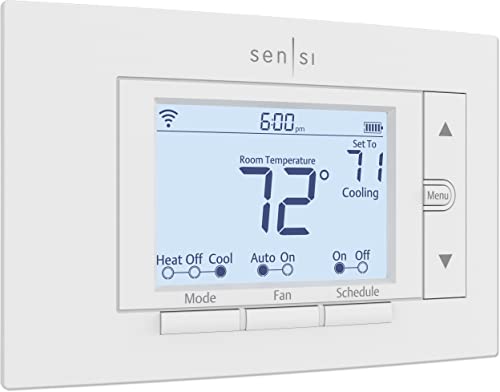
With privacy protections and simple DIY installation, Sensi supports most HVAC systems without requiring a common wire in many scenarios. ENERGY STAR certified, it offers flexible scheduling, remote access, and usage reports to help manage energy use while keeping your home comfortable.
Honeywell Home RTH8800WF2022 (T5)

Features include 7-day scheduling, geofencing, and Energy Star certification. Geofence technology helps adjust temperatures when you’re away, with flexible scheduling options. This model is designed to help households save energy while ensuring comfort when at home, with a straightforward setup and robust compatibility.
Sensi Lite Smart Thermostat (ST25)

Compact option with geofencing and energy-saving features. It is ENERGY STAR certified and designed for easy DIY installation. Common wire requirements vary by system; for many homes, a C-wire is not necessary, which simplifies setup and reduces wiring complexity.
Buying Guide
Geofencing capabilities and overall energy savings are key considerations when selecting a smart thermostat. Here are important factors to evaluate:
- Compatibility: Check that the thermostat supports your HVAC system (gas, electric, heat pump, single-stage, multi-stage). Use the manufacturer’s compatibility checker if available.
- Geofencing reliability: Look for apps with accurate location sensing, minimal delays, and a robust privacy policy for data use.
- Energy savings claims: Compare documented savings ranges and ENERGY STAR certification. Real-world savings depend on climate, home insulation, and usage patterns.
- Installation and wiring: Determine whether your system needs a C-wire, PEK, or other components. DIY fans should favor models with clear instructions and included installation kits.
- Integrations: Consider compatibility with voice assistants (Alexa, Google Assistant, Siri) and any smart home platforms you use (Apple HomeKit, SmartThings, etc.).
- Sensor features: Some models include occupancy sensors or air quality monitoring that can affect comfort and energy use.
- Privacy and data handling: Review data collection policies, especially if you value privacy and do not want usage data shared with third parties.
- Display and usability: A responsive touchscreen and intuitive app enhance daily use and fine-tuning of schedules.
In summary, ecobee models tend to emphasize occupancy sensing and air quality features, which can boost comfort and efficiency in larger homes. Sensi options offer privacy-focused design and straightforward DIY installs, while Honeywell’s T5 and RTH series emphasize flexible scheduling and geofence reliability. When choosing, align features with your home size, insulation quality, and how often you want to fine-tune settings via smartphone apps or voice control.