Best Smart Thermostat for Electric Baseboard Heaters and Similar Systems
Choosing a smart thermostat for electric baseboard heaters can cut energy use, simplify scheduling, and maintain comfort. The following five options cover line-voltage (120V/240V) and compatible multi-wire installations, with features like app control, HomeKit, Alexa, and Google Assistant. Each product section below includes a brief overview, key features, and installation notes to help you compare quickly.
style=”display:none”>Summary Table
| Product | Brand | Voltage Range | Smart Features | Notes |
|---|---|---|---|---|
| Mysa Smart Thermostat LITE | Mysa | 120V-240V | Wi-Fi, HomeKit, Alexa, Google, scheduling, energy reports | Line voltage, 4-wire compatible |
| Mysa Smart Thermostat 240V | Mysa | 240V | Wi-Fi, app control, HomeKit, Alexa, Google | Remote control, free app |
| meross Smart Thermostat | meross | 120V-240V | HomeKit, Alexa, Google, energy saving | Requires 4 wires |
| MOES Programmable Smart Thermostat | MOES | 120V-240V | WiFi, remote control, energy saving | 4 wires required |
| Dreo Smart Wall Heater Thermostat | Dreo | 120V | App control, Alexa, Google, 24H timer | Space heater integration |
Mysa LITE Line Voltage Thermostat
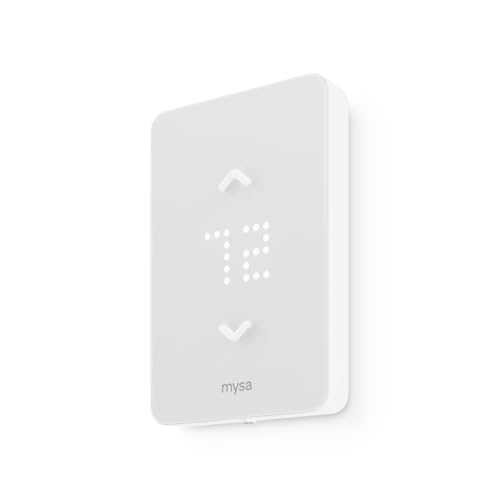
The Mysa LITE line voltage thermostat provides Wi‑Fi control for 120V to 240V electric baseboard heaters, fan-forced heaters, and convectors. It supports custom daily schedules to reduce heating when away and maintain comfort when home. The app is 100% free with features including remote control, scheduling, and energy reports. It integrates with HomeKit, Alexa, and Google, offering convenient voice and app control without ongoing subscription fees.
Mysa 240V Smart Thermostat for Electric Baseboards

This Mysa model is designed for 240V electric baseboards with a remote app and free control. It supports high/line voltage systems and requires four wires, including a neutral or second live wire. Features include adaptive display technology and brightness control, plus compatibility with HomeKit, Alexa, and Google. It can help run schedules and monitor energy usage, though compatibility checks are recommended for older or two-wire installations.
meross Smart Thermostat For Electric Heaters

The meross thermostat is designed for 120V-240V high-voltage systems, suitable for baseboards, convectors, and fan-forced heaters with four-wire configurations. It supports Apple HomeKit, Alexa, Google, and SmartThings. It has a maximum load and requires a neutral or second live wire for proper operation. Installation is described as under 30 minutes, making it a practical upgrade for energy management and remote control.
MOES Programmable Smart Thermostat

The MOES thermostat is built for high-voltage electric baseboard heaters with 120V/240V compatibility and four-wire installations. It features a simple knob for manual adjustments, plus smartphone control via a popular app. Remote scheduling and energy-saving modes help optimize usage. The display is redesigned for clarity, and the device supports remote adjustments through its app, enhancing convenience for daily comfort and efficiency.
Dreo Smart Wall Heater Thermostat

The Dreo smart wall heater thermostat supports 120V and offers 24-hour scheduling, a 1500W heater, and 120° vertical oscillation when used with compatible Dreo heaters. It integrates with Alexa and Google Assistant for voice control and provides easy access through the Dreo app. The thermostat enables precise temperature control with a 1°F accuracy range and can help distribute warm air efficiently across a room.
Buying Guide: Key Purchase Considerations
- Voltage compatibility: Ensure the thermostat supports your baseboard heater’s voltage (120V, 240V, or both). Line-voltage devices require four wires (including a neutral or second live) for proper operation.
- Wiring requirements: Many high-voltage thermostats require at least four wires. Verify your current wiring before buying to avoid compatibility issues.
- Smart ecosystem: Choose a model that works with your preferred smart home platforms (HomeKit, Alexa, Google, SmartThings). If you plan future upgrades, prioritize Matter support or broad compatibility.
- Energy saving features: Look for scheduling, adaptive brightness, energy reports, and eco modes. These features help optimize usage and reduce costs over time.
- Remote control and reliability: A reliable mobile app and robust Wi-Fi connectivity are essential for remote adjustments and scheduling, especially if you have multiple zones or a large home.
- Installation ease: Some models advertise quick setup, but high-voltage installations may still require professional help. Confirm that you have the necessary wiring and space for mounting.
- Display and usability: Consider display brightness, auto-adaptive displays, and physical control options (knobs) for simple local adjustments.
- Compatibility with older systems: If you have an older or two-wire baseboard setup, verify compatibility and any required adapters or additional wiring.
When selecting a smart thermostat for electric baseboard heaters, balance voltage compatibility, wiring needs, and your preferred smart ecosystem. The options listed above provide a mix of line-voltage capabilities and broad app-based control to help optimize comfort and energy use across different room layouts and heating configurations.