Best Small Sub Panel Breaker Box Options for Your Home Electrical System
Selecting the right small sub panel breaker box helps organize circuits, improve safety, and support future upgrades. This guide reviews five compact, reputable load centers and panels suitable for indoor or outdoor use, depending on model. Each entry summarizes key specs, enclosure type, and typical applications to help homeowners and professionals compare quickly and make informed choices.
| Product | Brand | Amp Rating | Spaces / Circuits |
|---|---|---|---|
| Hiweld 4 Space 8 Circuit 125 Amp Load Center | Hiweld | 125A | 4/8 |
| THQL 8-Space 125A Circuit Breaker Distribution Box | JINDOUZI | 125A | 8/8 |
| Siemens E0408ML1125SU | SIEMENS | 125A | 4/8 |
| Hiweld 60 Amp Outdoor Single-Phase Enclosure | Hiweld | 60A | 2/4 |
| Square D QO612L100DF | Schneider Electric | 100A | 6/12 |
The items below are five compact, commonly installed options that balance size, circuit capacity, and indoor/outdoor suitability. They are suitable for residential upgrades, subpanel expansions, or service upgrades that require reliable electrical distribution with clear labeling and safety compliance.
Hiweld 4 Space 8 Circuit Load Center

The Hiweld unit is rated at 125 Amp and features an outdoor-rated enclosure with a 3R style outdoor enclosure, combining flush and surface cover options for flexible installation in exterior or interior spaces. It supports 1-pole and 2-pole breakers, totaling up to 8 circuits across 4 spaces. This model is designed for single-phase, 3-wire systems with a solid neutral and is intended for durable service in outdoor or semi-protected locations. The compact footprint (13.0″L x 7.0″W x 5.0″H) makes it suitable for limited wall space while maintaining robust protection against the elements.
Key features: CSA approval, outdoor-rated enclosure, 125 Amp rating, 4 spaces / 8 circuits, 1-pole and 2-pole breakers, 120/240V AC, single phase. It is a practical choice for small home subpanels in outdoor utility areas or garages where weather exposure is a consideration, yet reliability remains a priority.
JINDOUZI THQL 8-Space 125A Circuit Breaker Panel
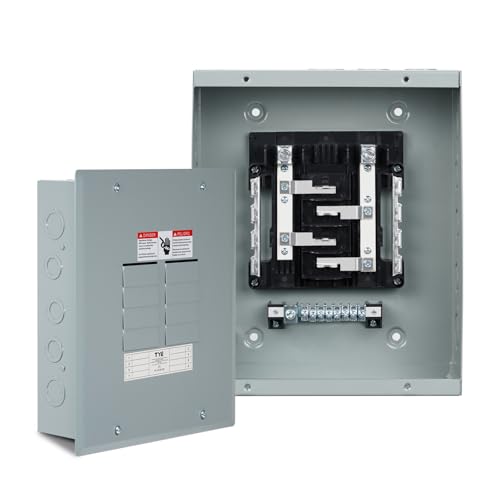
This 8-space, 125A load center is designed for indoor use with a NEMA 1 steel enclosure, providing sturdy protection against dust and contaminants. Suitable for residential and light commercial applications, it supports up to eight 1-pole plug-in breakers for reliable distribution and enhanced safety. The rugged construction supports consistent performance in indoor environments and is well-suited for main lug configurations or as a compact subpanel option where space is at a premium.
Important considerations include indoor installation requirements, enclosure material, and ease of wiring with the plug-in breakers. This model emphasizes safety, durability, and straightforward serviceability, making it a sensible choice for steady, long-term power distribution in controlled spaces.
Siemens E0408ML1125SU 4-Space 8-Circuit Panel
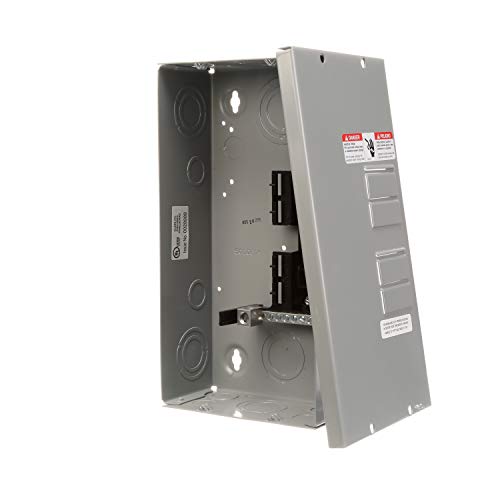
The Siemens E0408ML1125SU provides a 125-amp main-lug configuration with 4 spaces and 8 circuits, suitable for indoor use. Its aluminum bus bar construction and galvanized steel chassis emphasize corrosion resistance and durability in common indoor environments like basements, utility closets, or garages. It supports single-phase, 120/240-volt operation and is designed to integrate into existing electrical systems with reliable protection for home circuits.
Considerations include enclosure mounting, compatibility with plug-on breakers, and whether the panel can be easily upgraded or expanded as electrical needs grow. This model offers a balance of performance and practicality for typical residential subpanel tasks.
Hiweld 60 Amp Outdoor Circuit Breaker Enclosure

This compact outdoor enclosure is rated at 60 amps and features two spaces for up to four circuits, suitable for smaller subpanel setups in exterior walls or utility areas. The enclosure measures 7″L x 5″W x 3-1/16″D, with a gray enamel finish and CSA/UL listings. It complies with NEC and UL requirements for Class CTL, ensuring safe operation in outdoor or semi-protected settings. The model’s weather-ready design makes it a practical choice for lightweight outdoor distributions, such as landscape lighting, pump circuits, or other exterior utilities.
Pros include a compact footprint, weather rating, and straightforward wiring for limited outdoor circuits. Be mindful of expansion needs and the level of protection required by local codes for outdoor electrical installations.
Square D QO612L100DF 6-Space 12-Circuit Load Center

The Square D QO612L100DF is a 6-space, 12-circuit indoor load center designed for surface mounting with a flush indoor cover and a ground bar kit that can be purchased separately. It supports main lugs and is configured to accept various plug-on surge arrestor options. Feeder entry from the top and versatile directionality align with modern residential layouts, and the device cannot be rotated in its mounting orientation. This panel is ideal for mid-size home subpanels where more circuits are required without a large footprint.
Key considerations include the availability of add-on components, compatibility with Schneider’s QO line accessories, and how it integrates with existing service equipment. The model emphasizes expandability and ease of maintenance in indoor settings.
Buying Guide
When choosing a small sub panel breaker box, consider these factors to ensure a proper fit and safe, reliable operation:
- Electrical load and future needs: Assess current circuit requirements and potential expansion. Choose a panel with adequate bus capacity and space for additional breakers without overcrowding.
- Indoor vs outdoor placement: Indoor panels require protective enclosures not exposed to the elements, while outdoor panels must be weather-rated and rated for exterior use (3R or similar, with proper conduit and seals).
- Enclosure type and mounting: Decide between surface-mount or flush-mount designs. Ensure compatibility with existing walls, studs, and electrical rooms.
- Safety ratings and compliance: Look for UL/CSA certifications, proper grounding options, and compatibility with NEC requirements. Verify the panel’s corrosion resistance if located in challenging environments.
- Number of spaces and circuits: Plan for the maximum number of circuits needed now and a reasonable expansion path. Every extra space provides upgrade flexibility without a full panel change.
- Conduit entry and wiring: Check whether the panel allows top, bottom, or side entry and whether it supports a variety of breaker types (single-pole, double-pole). Ensure correct wire sizing and labeling for easy maintenance.
- Compatibility and accessories: Confirm availability of compatible main lugs, surge arrestors, ground bars, and door covers. Some brands offer modular expansions and separate accessory kits that simplify upgrades.
- Cost vs reliability: While price matters, prioritize panels from reputable brands with robust warranties and readily available replacement parts to minimize downtime during repairs or upgrades.
- Code compliance and installation: Always align with local electrical codes and, if needed, consult a licensed electrician for proper sizing, mounting, grounding, and labeling of circuits.
In summary, the five selected options cover a range of capacities, installation environments, and expansion potential. Homeowners can confidently pick a compact sub panel that aligns with their space constraints while ensuring safety and future-proofing for additional circuits.