Best Small Electric Hot Water Systems for Quick at-Point Warmth
Looking for a compact, energy-efficient way to get hot water fast without a full-size heater? This guide highlights five small electric hot water systems that fit tight spaces and deliver reliable at-sink or point-of-use hot water. Each option is ideal for apartments, small kitchens, RVs, or under-sink setups. The table below helps you compare key points at a glance.
| Product | Type | Best For | Key Benefit | Limitations |
|---|---|---|---|---|
| AIYEZIDT Tankless Water Heater | 110V Tankless | Small kitchens and RVs | Instant heat in 3–5 seconds | Max temp about 131°F |
| InSinkErator H-HOT150SN-SS | Instant Hot Dispenser | Quick hot water at sink | High flow near-boiling water | Tank size ~2/3 gal |
| InSinkErator HOT150C-SS | Instant Hot Water Dispenser | Compact kitchen setups | Near-boiling water on demand | Requires under-sink plumbing |
| DAORDAER 3000W Tankless | 110V Tankless | Sinks and prep areas | Remote/touch control for safe use | Output temp max around 131°F |
| VEVOR 12 Gallon Tank Water Heater | 12-Gallon Storage | Small apartments | Consistent stored hot water | Bulkier than tankless options |
AIYEZIDT Tankless Water Heater – Compact 110V Model
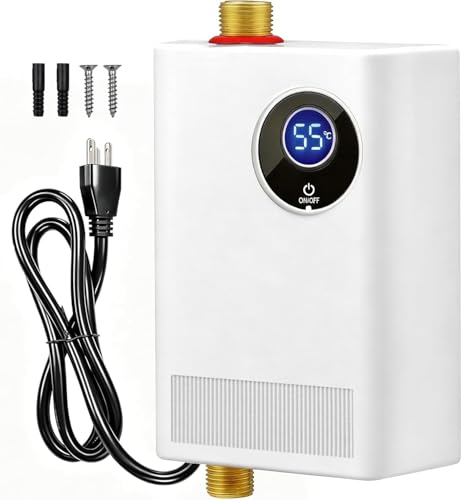
Best for: small sinks, apartments, or RV use where space is limited. This under-sink unit heats water in 3–5 seconds with a maximum of 131°F. It’s wall-mounted to save cabinet space and provides point-of-use warmth for dishes, hands, or face washing. The LCD display helps monitor the working status and temperature. A key caveat is its upper-temperature limit, which may suit most daily needs but isn’t a substitute for a full-house system.
Chefman Electric Kettle – Quick Countertop Boil

Best for: households needing rapid hot water for beverages or quick cooking tasks. This 1.8L, 1500W kettle boils water in about 3 minutes and features auto shut-off and boil-dry protection for safety. While not a direct under-sink heater, its compact design and cordless operation make it a practical, portable hot water solution in kitchens with limited counter space.
InSinkErator H-HOT150SN-SS Instant Hot Water Dispenser
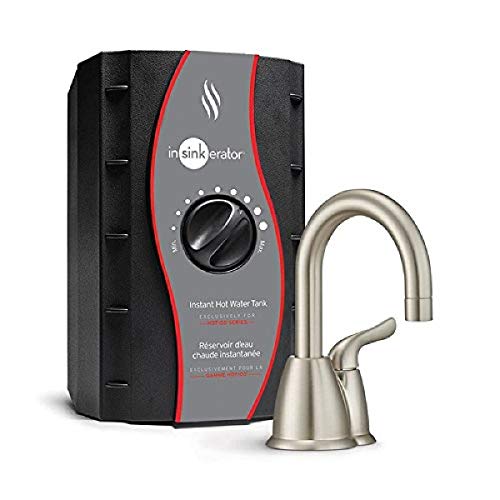
Best for: kitchens that want immediate near-boiling water at the tap. This system includes a satin nickel finish dispenser with a 2/3 gallon stainless steel tank, delivering up to 60 cups/hour of hot water at around boiling. It’s stylish and relatively compact, but installation involves plumbing under the sink and a dedicated faucet.
InSinkErator HOT150 Instant Hot Water Dispenser
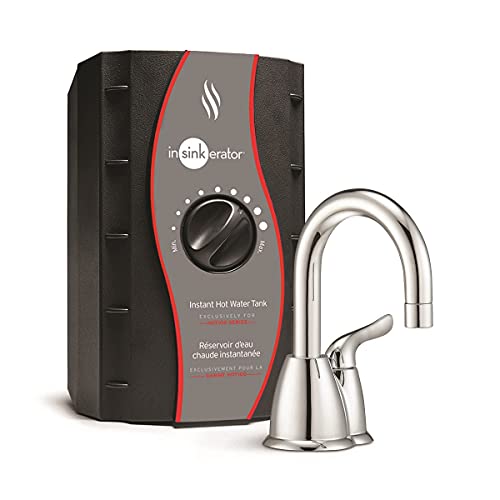
Best for: users who want an easy upgrade to hot water at the kitchen sink with a compact tank. This chrome system features a single-handle faucet and a 2/3 gallon tank with adjustable temperature control. It saves time vs. boiling water on the stove and helps reduce energy waste by heating only on demand. Consider the under-sink installation challenges if space is tight.
DAORDAER 3000W Tankless Water Heater
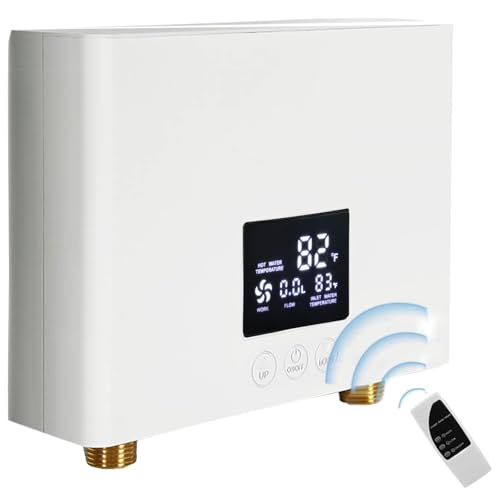
Best for: compact kitchens or bathrooms needing instant hot water at a tap. This 3000W unit offers instant heat with a remote or touch control, and a three-level power setting. It’s space-saving and designed to minimize energy use since it heats only on demand. A limitation is that it tops out around 131°F, which may require higher set temperatures for some uses.
VEVOR Electric Tank Water Heater – 12 Gallon

Best for: small apartments or studios needing a steady supply of hot water without a large footprint. This 12-gallon storage heater provides reliable stored hot water and uses a combination of water heating and insulation to reduce heat loss. It’s larger than tankless options, so consider cabinet or closet space when selecting this model. It includes a T&P valve and is designed for safe operation in compact living spaces.
Buying Guide: Small Electric Hot Water Systems
How to choose the right small electric hot water system depends on your space, water usage, and desired heat source. Here are practical considerations to help you compare options:
- Tankless vs. storage: Tankless units save space and heat water on demand, but may provide lower simultaneous flow. Storage models offer a ready reservoir but require more space.
- Power requirements: Check your electrical panel capacity. Compact 110V units are easier to install in apartments but may have lower flow rates. 240V or higher-rated systems boost capacity for more demanding needs.
- Temperature range and safety: Look for auto shut-off, overheat protection, and IP ratings for moisture exposure. A digital display helps monitor settings precisely.
- Installation location: Under-sink installs save countertop space; wall-mounted units free cabinet space but require secure mounting and adequate clearance.
- Water requirements: Consider flow rate (GPM) and typical usage. Instant dispensers are ideal for hot water near the sink; larger storage heaters support multiple outlets but take longer to recover.
- Maintenance and longevity: Enamel-lined tanks and corrosion-resistant materials improve durability. Regular descaling may be needed for mineral-rich water.
Frequently Asked Questions
- What is the main difference between tankless and storage small water heaters?
Tankless heats water on demand and saves space; storage heaters hold hot water in a tank and provide immediate supply but take more room. - Are these units safe for apartments?
Yes, many models are designed for small spaces with safety protections. Always follow local electrical and plumbing codes during installation. - Can I install an under-sink heater myself?
Some models are designed for DIY installation, but others require licensed plumbing or electrical work. Refer to manufacturer guidelines. - What heat temperatures do these systems reach?
Most compact units top out around 131°F (55°C) to 140°F (60°C). Higher temperatures may be available on select models, but safety is essential. - Which is best for RVs or tiny homes?
Compact tankless units like AIYEZIDT or DAORDAER are well-suited for limited spaces and portable needs, offering instant hot water with minimal footprint. - Do these systems require a dedicated hot water faucet?
Instant hot water dispensers typically require a dedicated faucet, while under-sink tankless units provide hot water at the existing faucet with a point-of-use setup.