Best Small 12 Volt Alternator Options for Your Vehicle
When seeking a compact, 12-volt alternator, the right choice hinges on compatibility, output, and ease of installation. This guide highlights five small-format alternators that fit typical light- to mid-size vehicles and racing applications. It targets buyers needing reliable 12V charging and a straightforward swap. See the quick-reference table below for a at-a-glance comparison of key specs and fitment.
| Product | Brand | Voltage / Amps | Best For |
|---|---|---|---|
| GDSMOTU New Alternator Compatible for Lexus RS330/ES330 | GDSMOTU | 12V, 100A | Vehicles with V6 3.3L engines; high-output needs |
| OEG Parts New Alternator For Mini 1 Wire Install | Parts Player | 12V, 40A | 1-wire setups; lightweight, simple installs |
| New MINI Alternator 1 Wire Hook up for Race Cars | Gladiator | 12V, 45A | Racing, compact frame, easy hook-up |
| 1 Wire System GM Self-Exciting Alternator 12V 105A | ASTOU | 12V, 105A | GM SBC/BBC applications; high output |
| Alternator High Output 105Amp 1-Wire 10SI | JDMSPEED | 12V, 105A | General high-output replacement |
| A-Premium Alternator For Chrysler/Volkswagen Applications | A-Premium | 12V, 160A | Chrysler/Volkswagen vans and cars with 3.6L V6 |
GDSMOTU 100A 12V High Output Alternator For Lexus / Toyota

The GDSMOTU unit is a high-output 12V alternator designed as a direct replacement for select Lexus and Toyota V6 3.3L applications. It is described as 100A with 100% new construction and CNC-machined components. Best for owners seeking a robust replacement with OEM-style fit and a broader compatibility list. It is better for higher electrical loads, such as additional accessories or emissive charging needs. A noted limitation is the broad compatibility language; verify exact OEM part numbers for your vehicle to avoid fit issues.
OEG Parts New Alternator For Mini 1 Wire Install
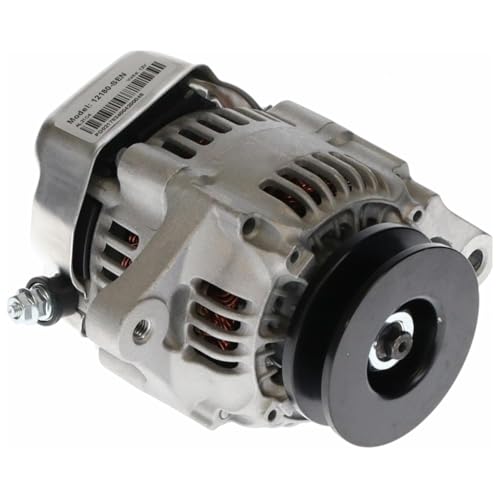
Officially listed for small 12V systems with one-wire installations, this 40A unit suits lightweight builds or older car setups that favor minimal wiring. It is best for drivers seeking a simple, plug-and-play replacement with minimal regulator complexity. A caution is that its lower amperage makes it less suitable for vehicles with many electrical demands or modern infotainment systems.
New MINI 1 Wire Alternator For Race Cars

Designed for race cars and hot rods, this 12V 45A unit emphasizes a compact frame and lightweight construction. It is best for track-focused builds or lightweight street cars needing quick, reliable charging with a small footprint. Limitations include a lack of detailed vehicle-fit information beyond racing contexts, so verify mounting compatibility before purchase.
1 Wire GM Self-Exciting 12V 105A Alternator

Specifically targeting GM small- or big-block installations, this self-exciting alternator offers a high 105A output with a one-wire hookup. Best for enthusiasts upgrading classic GM vehicles or doing a retrofit with minimal wiring. A caution is that it is optimized for GM platforms; non-GM fitments should be validated before ordering.
JDMSPEED High Output 105A 1-Wire 10SI Replacement

JDMSPEED offers a 12V, 105A alternative designed as a compact, one-wire replacement that mimics many traditional 10SI-style units. It suits vehicles needing high amperage without extensive electrical rewiring. Choose this if you want a straightforward upgrade with strong charging capability, but confirm mounting and pulley compatibility to avoid fit issues.
A-Premium 160A 12V 1-Wire Alternator
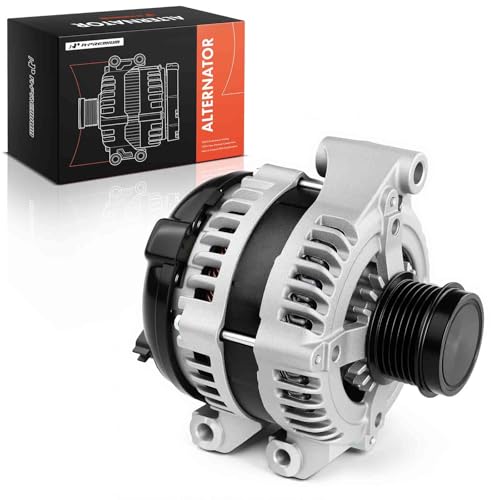
Designed for Chrysler and Volkswagen applications, this higher-output 160A unit is best for vehicles with significant electrical loads or upgraded audio systems. It uses a one-wire hook-up and aims to deliver robust charging with fewer wiring steps. A caution is that the higher amperage may require additional mounting considerations and battery sizing checks for non-standard vehicles.
Buying Guide
What should you check before buying a small 12V alternator?
- Compatibility: Confirm the exact vehicle make, model, engine size, and OEM part numbers the alternator supports. Look for direct-fit replacements to minimize mounting and wiring work.
- Output needs: Match amperage to your electrical load. For basic needs, 40–45A can suffice; for modern systems or aftermarket audio, 100–160A is more appropriate.
- One-wire vs. multi-wire: One-wire installations are simpler but ensure the vehicle’s electrical system can support self-excitation. Multi-wire setups often offer more control and reliability in complex systems.
- Mounting and pulley compatibility: Verify mounting holes, bracket alignment, and pulley size to avoid interference with belts or engine components.
- Quality indicators: Look for CNC-machined castings, copper windings, protective coatings, and robust regulators. These features contribute to durability and longer life.
Practical comparison tips
- Best for high electrical demand: Choose units rated at 105A or higher with a robust regulator.
- Better for simple installs: Favor one-wire, lightweight models with straightforward wiring.
- Avoid this if unsure about fitment: If your vehicle isn’t listed in the compatibility notes, double-check OEM part numbers and mounting dimensions.
Frequently asked questions
- What does “one-wire” mean in an alternator?
– It means the alternator only needs a connection to the battery (BAT+) for charging; no separate sense or ignition wires are required. - Is a higher amperage alternator always better?
– Not always. It must match the vehicle’s electrical load and battery capacity. Excess amperage without need can cause stress or unnecessary strain. - How do I know if my alternator is compatible?
– Check the OEM part numbers, vehicle year, engine size, and mounting compatibility listed by the seller. - Can I install an alternator myself?
– Many one-wire or direct-fit units are designed for DIY installation, but consult your vehicle’s service manual for safety and torque specs. - What are red flags during installation?
– Incorrect belt alignment, loose mounting bolts, or wiring mismatches can cause poor charging or belt wear.