Best Single Pole Smart Thermostats for Electric Baseboard Heaters in 2026
Single pole smart thermostats are a practical upgrade for line-voltage electric heating systems. They control one hot conductor to regulate temperature on baseboard and wall heaters, offering remote access, scheduling, and energy insights without the need to replace your entire heating setup. This guide highlights top options compatible with 120V–240V systems, including line-voltage baseboards and convectors. Explore models that emphasize easy installation, voice control, and robust app functionality to help you save energy while staying comfortable.
Summary of selected products
| Product | Brand | Highlights |
|---|---|---|
| Mysa Smart Thermostat LITE | Mysa | Wi-Fi, HomeKit/Alexa/Google, 120V–240V, free app, single pole |
| meross Smart Thermostat (Baseboard/Heaters) | meross | HomeKit/Alexa/Google, 120V–240V, high voltage, 4 wires required |
| Mysa Smart Thermostat (240V Baseboard) | Mysa | Remote control, free app, 240V, alerts |
| KING K901-W Hoot | KING | Line voltage, single pole, app control, large display |
| KING K901-B Hoot (Black) | KING | Line voltage, single pole, app control, large display |
Mysa Smart Thermostat LITE — Line Voltage Baseboard Heater
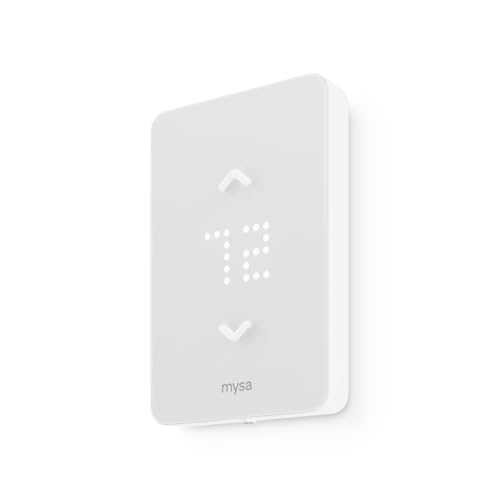
The Mysa Smart Thermostat LITE targets electric baseboard heaters with 120V–240V support. It works as a single pole thermostat and is designed for line-voltage installations. The device integrates with major ecosystems, offering remote control and scheduling through a free app. Key advantages include compatibility with 120V, 208V, and 240V systems and no ongoing subscription costs for feature access. Installation is intended for DIY setups, and the thermostat can manage wall heaters and convectors as a basic temperature control solution for rooms or zones.
What to know about Mysa LITE:
- High-voltage compatibility: Works with 120V–240V systems, including single pole configurations.
- App-centric control: Remote access, schedules, and runtime reports without fees.
- Smart home compatibility: Integrates with HomeKit, Alexa, and Google Assistant via the free app.
- Installation scope: Best suited for baseboard and line-voltage heaters; ensure wiring meets local electrical codes.
meross Smart Thermostat for Electric Baseboard and In-Wall Heaters

meross presents a high-voltage compatible thermostat designed for 120V–240V systems, including baseboard and convector heaters. Installation can require multiple wires in the electrical box, with a note that four or more wires may be necessary. This model supports voice control through Siri, Alexa, and Google, and integrates with Apple Home, SmartThings, and other platforms. It’s tailored for homeowners who want a full-feature remote experience, with smart scheduling and energy management aimed at reducing consumption.
Key considerations for meross:
- Wiring requirements: May require four or more wires and careful compatibility checks for older installations.
- Platform integration: Works with major ecosystems including HomeKit, Alexa, Google, and SmartThings.
- High-voltage capability: Suitable for baseboard and other line-voltage heaters; ensure your load falls within supported limits.
- Cost vs. features: Emphasizes no-subscription app access with local and cloud features.
Mysa Smart Thermostat For Electric Baseboard Heaters 240V

This Mysa model is designed specifically for 240V baseboard heaters, offering remote control and a free dedicated app. It emphasizes easy install with Wi-Fi connectivity and support for major voice assistants (HomeKit, Alexa, Google). The product highlights include temperature scheduling, alerts, and compatibility with high-voltage line systems. It’s a practical upgrade for households with 240V baseboards seeking smarter control without complex rewiring beyond a typical line-voltage setup.
Practical notes for 240V Mysa:
- Voltage range: Optimized for 240V systems; compatibility for 120V is also noted in other models.
- App features: Free app with remote control, schedules, and alert capabilities.
- Wiring and installation: Check that your four-wire requirement or neutral is in place as needed.
- Smart home reach: Integrates with HomeKit, Alexa, and Google for voice and routine control.
KING K901-W Hoot WiFi Line Voltage Thermostat

King’s K901-W Hoot model is a straightforward line-voltage thermostat for single-pole installations. It provides Wi-Fi connectivity and app-based programming, with a large LCD touchscreen for easier local interaction. This option is positioned for users who want a balance of simple physical controls and modern remote scheduling, without delving into more complex wiring configurations.
What matters with KING K901-W:
- Single pole compatibility: Suitable for standard line-voltage circuits with 3-wire configurations.
- App control: Offers remote programming and monitoring via King’s app ecosystem.
- Display: Large LCD touchscreen for quick manual adjustments.
- Install considerations: Verify wiring meets the 3-wire single-pole requirement for your heater.
KING K901-B Hoot Black Line Voltage Thermostat

This variant mirrors the K901-W with a black housing, maintaining line-voltage single-pole operation, and app connectivity. It emphasizes an intuitive display and remote control capabilities, making it suitable for homeowners who want a stylish, user-friendly thermostat that integrates with the broader smart home setup. As with other line-voltage thermostats, confirm wiring compatibility before installation to ensure safe operation.
Pointed considerations for the KING K901-B:
- Visual design: Black finish to blend with interiors and wall hardware.
- Control options: Combines physical display with smartphone-based programming.
- Wiring safety: Ensure your existing baseboard or convector circuit aligns with single-pole 3-wire installation requirements.
Buying Guide: Key Considerations For Single Pole Smart Thermostats
- Voltage compatibility: Most single pole line-voltage thermostats support 120V–240V. Verify your heater’s voltage and confirm that the thermostat explicitly supports line-voltage operation for safety and performance.
- Wiring requirements: Some models require four wires or a neutral. Check your current wiring (and consult a licensed electrician if needed) to avoid miswiring and ensure proper operation.
- Control ecosystem: Decide which smart home platforms you rely on (HomeKit, Alexa, Google Home, SmartThings). Choose a thermostat that integrates natively with those ecosystems and supports voice commands.
- App experience and costs: Most options offer a free app with scheduling and energy insights. Look for no-subscription terms and the ability to access features offline or with minimal cloud dependence if privacy or reliability is a concern.
- Energy management: Scheduling, adaptive displays, and runtime reports help optimize usage. Compare how each model tracks energy consumption and provides actionable tips to reduce costs.
- Installation ease: DIY-friendly units can simplify setup, but high-voltage installations may require professional wiring. Consider whether your wiring is already prepared (neutral present or sufficient conductors) and whether the thermostat’s mounting is compatible with your wall or baseboard box.
- Display and usability: A large, easy-to-read display improves day-to-day adjustments. Some models offer adaptive display brightness or on-approach wake features for reduced glare and improved readability in various lighting conditions.
- Safety and reliability: Prioritize thermostats with clear safety instructions, built-in protection against power surges, and reputable brands with ongoing firmware updates and support.
When selecting a single pole smart thermostat for line-voltage heaters, consider both technical compatibility and everyday practicality. A device like Mysa or meross may appeal to tech enthusiasts who value ecosystem integrations and 24/7 app access, while KING models can be preferable for straightforward, no-nonsense control with a strong display. Ensure the wiring is correct and compliant with local electrical codes to maintain safety and performance. A properly chosen unit can deliver reliable temperature control, measurable energy savings, and convenient remote operation for electric baseboard heating.